

Babyfood, cereal, with eggs, strained
Whole food · Baby Foods

Photo: Wikipedia
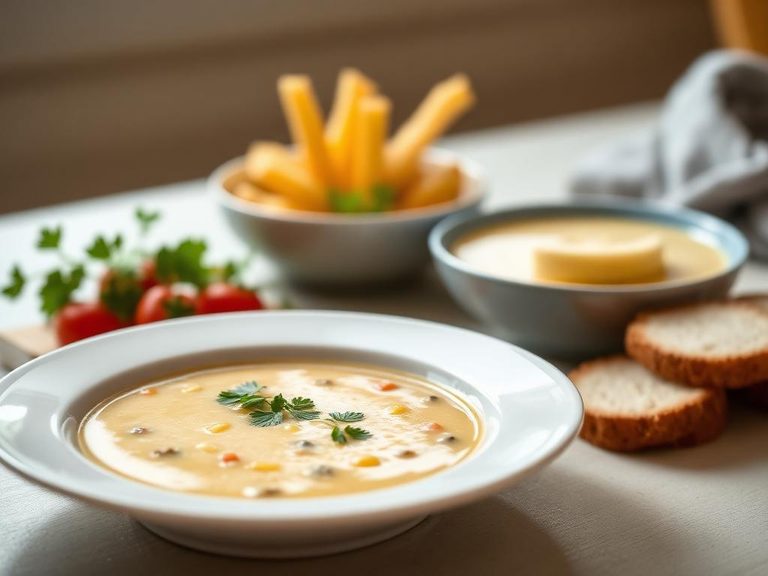
This is a smooth, savory, and protein-fortified infant cereal, typically made from rice or oat flour blended with egg powder. It has a mild, slightly eggy flavor and a thin, pourable texture when mixed with liquid, designed for easy swallowing. Nutritionally, it provides a concentrated source of protein and carbohydrates for growing babies.
Calorie split: 16% protein · 59% carbs · 25% fat
↓ Full nutrition💚 Why it's loved
Parents appreciate it as a simple, nutrient-dense first food that introduces savory flavors and provides essential protein. Its bland base makes it easy to mix with fruits or vegetables to create varied meals.
⚠️ Watch-outs & how to enjoy it better
As a refined cereal with no fiber, it can cause rapid blood sugar spikes if not paired with other foods. Egg is a top allergen; introduction should follow pediatric guidelines. To counteract, mix with mashed avocado or banana for fat/fiber, and always introduce allergens one at a time.
Key benefits
- Excellent source of protein for infant growth and development.
- Provides quick-digesting carbohydrates for energy.
- Smooth, strained texture ideal for early spoon-feeding.
- Often fortified with iron, a critical nutrient for infants.
- Convenient, shelf-stable first food option.
🍽️ Popular dishes
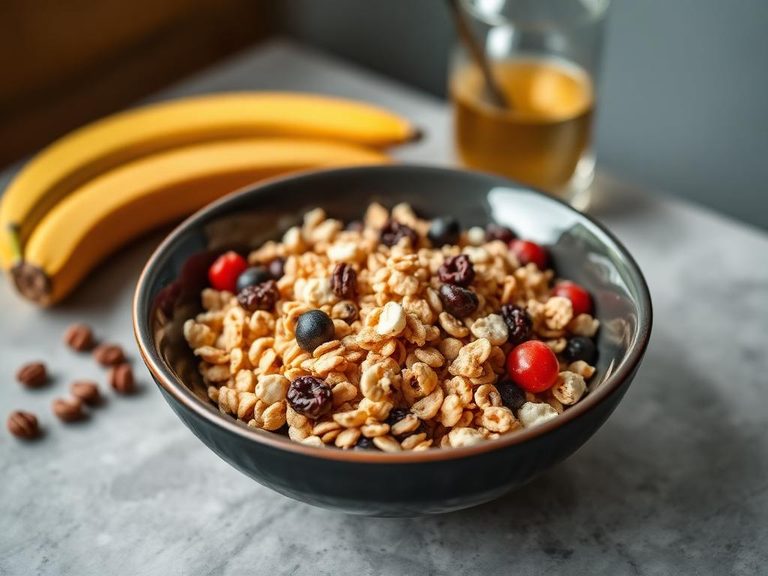
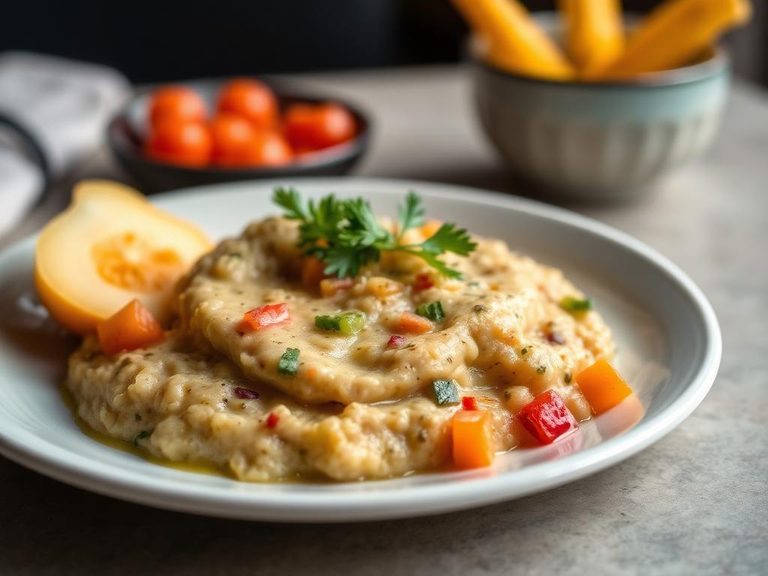
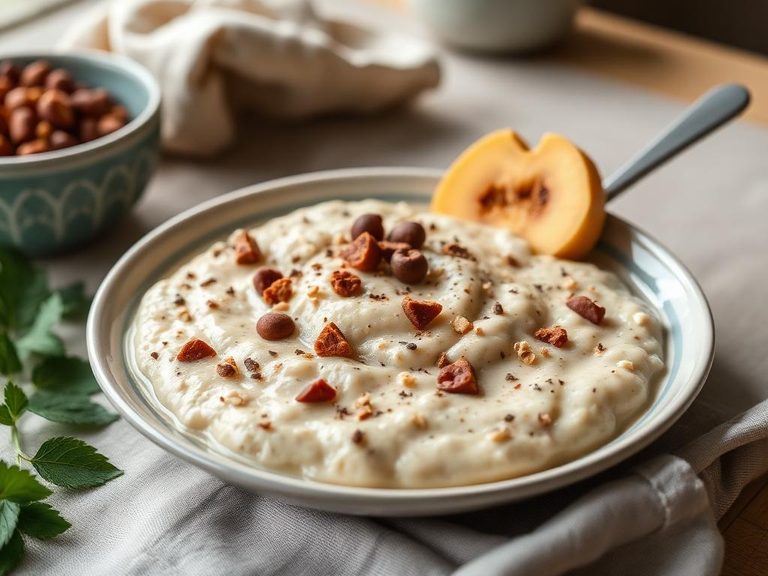

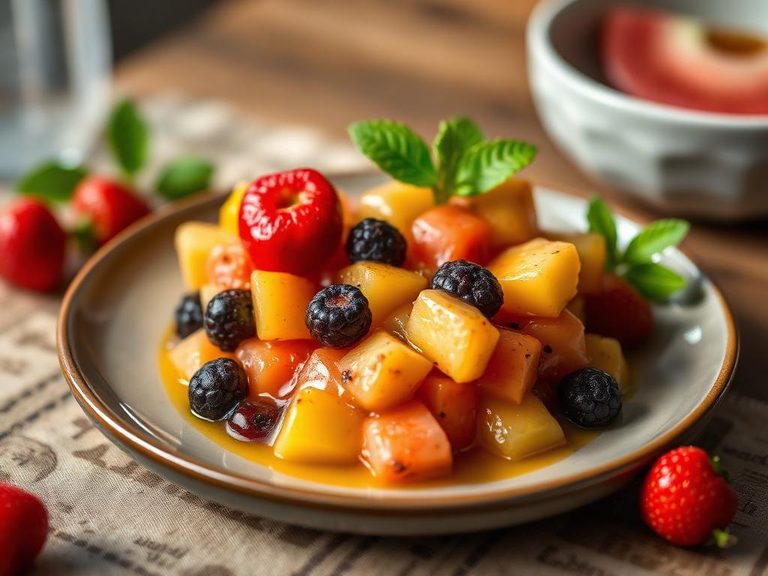
🌍 Where it's eaten
💡 Did you know?
The 'strained' designation comes from the process of forcing the cooked cereal mixture through a fine mesh sieve to achieve an ultra-smooth, lump-free consistency safe for beginners.
Full nutrition (USDA data · scales with serving)
| Water | 87.2 g |
| Energy | 58.0 kcal |
| Energy | 243 kj |
| Protein | 2.2 g |
| Total lipid (fat) | 1.5 g |
| Ash | 0.60 g |
| Carbohydrate, by difference | 8.0 g |
| Calcium, Ca | 27.0 mg |
| Iron, Fe | 0.54 mg |
| Magnesium, Mg | 3.0 mg |
| Phosphorus, P | 46.0 mg |
| Potassium, K | 44.0 mg |
| Sodium, Na | 38.0 mg |
| Zinc, Zn | 0.33 mg |
| Copper, Cu | 0.03 mg |
| Vitamin C, total ascorbic acid | 0.80 mg |
| Thiamin | 0.01 mg |
| Riboflavin | 0.05 mg |
| Niacin | 0.06 mg |
| Pantothenic acid | 1.0 mg |
| Vitamin B-6 | 0.02 mg |
| Folate, total | 9.0 ug |
| Folic acid | 0.00 ug |
| Folate, food | 9.0 ug |
| Folate, DFE | 9.0 ug |
| Vitamin B-12 | 0.08 ug |
| Vitamin A, IU | 161 iu |
Fat & fatty acid profile (per 100g)
| Fatty acids, total saturated | 0.49 g |
| SFA 14:0 | 0.01 g |
| SFA 16:0 | 0.35 g |
| SFA 18:0 | 0.12 g |
| Fatty acids, total monounsaturated | 0.61 g |
| MUFA 16:1 | 0.04 g |
| MUFA 18:1 | 0.57 g |
| MUFA 20:1 | 0.00 g |
| Fatty acids, total polyunsaturated | 0.33 g |
| PUFA 18:2 | 0.29 g |
| PUFA 18:3 | 0.02 g |
| PUFA 20:4 | 0.02 g |
| Cholesterol | 51.0 mg |
Amino acid profile (per 100g)
Estimated from Babyfood, grape juice, no sugar, canned — USDA does not publish this profile for Babyfood.
| Threonine | 0.02 g |
| Isoleucine | 0.01 g |
| Leucine | 0.02 g |
| Lysine | 0.02 g |
| Methionine | 0.03 g |
| Cystine | 0.01 g |
| Phenylalanine | 0.02 g |
| Tyrosine | 0.02 g |
| Valine | 0.02 g |
| Arginine | 0.06 g |
| Histidine | 0.03 g |
| Alanine | 0.04 g |
| Aspartic acid | 0.10 g |
| Glutamic acid | 0.18 g |
| Glycine | 0.03 g |
| Proline | 0.03 g |
| Serine | 0.04 g |
FAQ
At what age can babies start eating this cereal?
Typically around 4-6 months, when they show signs of readiness like good head control and interest in food. Always consult your pediatrician first.
How is this different from regular baby cereal?
The key difference is the inclusion of egg, which significantly boosts the protein content compared to plain rice or oat cereal, making it a more complete meal.
Can I make this at home?
You can blend cooked, plain cereal with a well-cooked, finely mashed hard-boiled egg yolk (introduce yolk first per allergy guidelines) and thin with breast milk or formula.
Nutrient density (calculated · NRF9.3)
Nutrient Rich Foods index: beneficial nutrients (protein, fiber, vitamins, minerals) minus saturated fat, added sugar & sodium, per 100 kcal.
NRF9.3 index — Fulgoni, Keast & Drewnowski, 2009. Computed from USDA nutrients.
Weight-loss friendliness (composite index)
Energy density 0.58 kcal/g · 15% calories from protein · 0.0 g fiber · 0.0 g sugar per 100 g.
Composite of energy density (Rolls et al., 1999), protein & fiber satiety, minus sugar. A calculated heuristic — ranks satiety-per-calorie, not a clinical measure.
Dietary load (calculated from USDA values)
Potential renal acid load. Positive = acid-forming, negative = alkaline-forming.
Sodium-to-potassium ratio: 0.86 (lower is better — aim for ≤ 1)
Sodium:potassium per WHO potassium guidance. Computed from USDA nutrients.