

Acerola, (west indian cherry), raw
Whole food · Fruits and Fruit Juices

Photo: Wikipedia
Acerola, also known as the West Indian cherry, is a small, bright red fruit with a juicy, tangy flavor reminiscent of a blend between a cherry and a citrus fruit. Its skin is thin and delicate, yielding to a soft, fibrous pulp. Nutritionally, it is an absolute powerhouse, famously containing one of the highest concentrations of natural vitamin C of any fruit in the world.
Calorie split: 5% protein · 88% carbs · 8% fat
↓ Full nutrition💚 Why it's loved
People love acerola for its intensely vibrant, tart flavor that adds a powerful punch to juices, smoothies, and desserts. It's a cultural staple in many tropical regions, celebrated for its refreshing taste and its traditional use as a natural immune booster.
⚠️ Watch-outs & how to enjoy it better
The fruit's high acidity can be harsh on sensitive teeth or stomachs for some individuals. Its delicate skin and short shelf life make it difficult to find fresh outside its growing regions. To counteract acidity, consume it blended with other foods, as part of a meal, or in a diluted juice form.
Key benefits
- Exceptionally high in natural vitamin C (ascorbic acid)
- Provides dietary fiber for digestive health
- Contains potent antioxidant compounds like carotenoids and flavonoids
- Low in calories while offering significant micronutrients
- May support immune function due to its nutrient profile
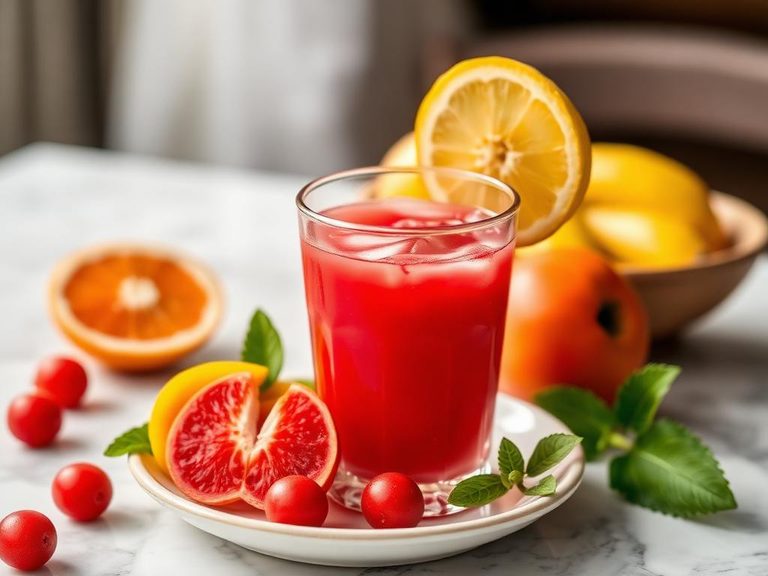
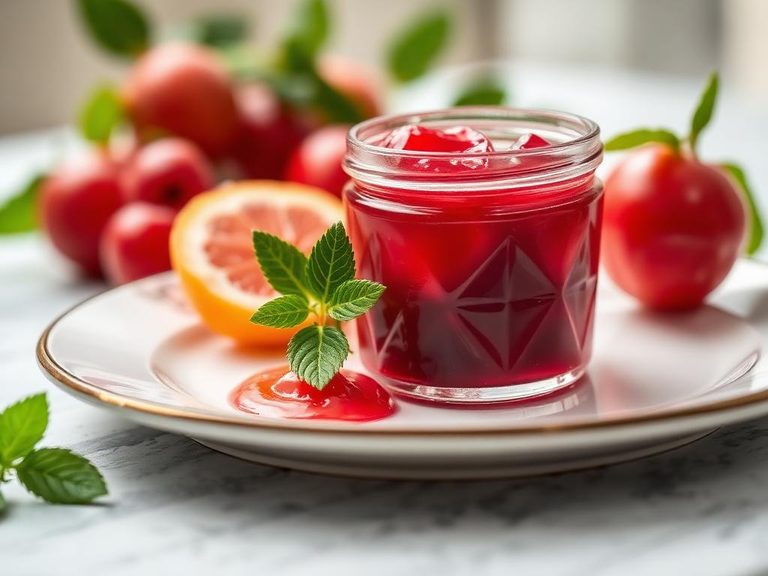
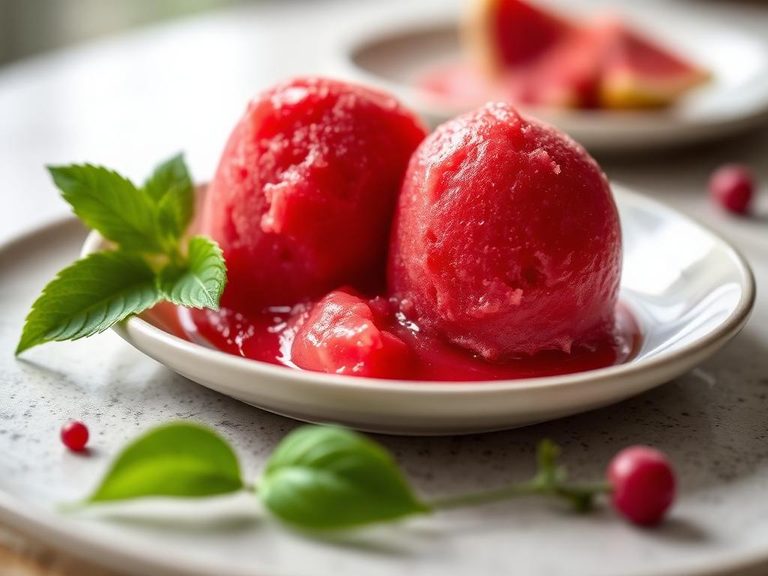
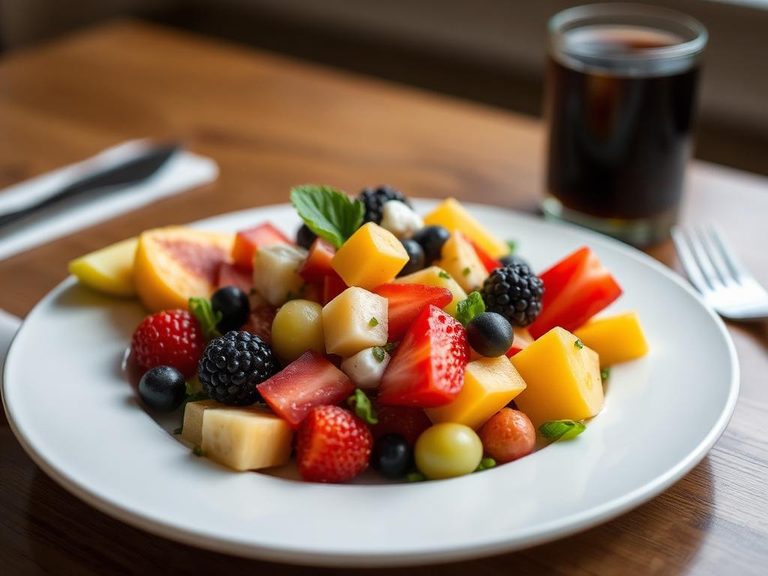
🍽️ Popular dishes
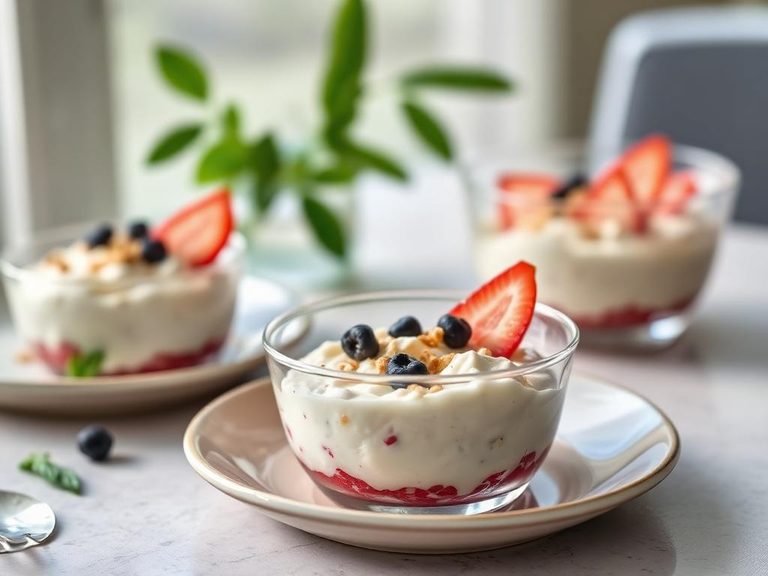
🌍 Where it's eaten
💡 Did you know?
A single 100g serving of raw acerola can provide over 1,600mg of vitamin C, which is more than 1,800% of the daily recommended intake for adults, far surpassing an orange.
Full nutrition (USDA data · scales with serving)
| Water | 91.4 g |
| Energy | 32.0 kcal |
| Energy | 134 kj |
| Protein | 0.40 g |
| Total lipid (fat) | 0.30 g |
| Ash | 0.20 g |
| Carbohydrate, by difference | 7.7 g |
| Fiber, total dietary | 1.1 g |
| Calcium, Ca | 12.0 mg |
| Iron, Fe | 0.20 mg |
| Magnesium, Mg | 18.0 mg |
| Phosphorus, P | 11.0 mg |
| Potassium, K | 146 mg |
| Sodium, Na | 7.0 mg |
| Zinc, Zn | 0.10 mg |
| Copper, Cu | 0.09 mg |
| Selenium, Se | 0.60 ug |
| Vitamin C, total ascorbic acid | 1678 mg |
| Thiamin | 0.02 mg |
| Riboflavin | 0.06 mg |
| Niacin | 0.40 mg |
| Pantothenic acid | 0.31 mg |
| Vitamin B-6 | 0.01 mg |
| Folate, total | 14.0 ug |
| Folic acid | 0.00 ug |
| Folate, food | 14.0 ug |
| Folate, DFE | 14.0 ug |
| Vitamin B-12 | 0.00 ug |
| Vitamin A, RAE | 38.0 ug |
| Retinol | 0.00 ug |
| Vitamin A, IU | 767 iu |
| Alcohol, ethyl | 0.00 g |
Fat & fatty acid profile (per 100g)
| Fatty acids, total saturated | 0.07 g |
| SFA 4:0 | 0.00 g |
| SFA 6:0 | 0.00 g |
| SFA 8:0 | 0.00 g |
| SFA 10:0 | 0.00 g |
| SFA 12:0 | 0.00 g |
| SFA 14:0 | 0.00 g |
| SFA 16:0 | 0.05 g |
| SFA 18:0 | 0.02 g |
| Fatty acids, total monounsaturated | 0.08 g |
| MUFA 16:1 | 0.00 g |
| MUFA 18:1 | 0.08 g |
| MUFA 20:1 | 0.00 g |
| MUFA 22:1 | 0.00 g |
| Fatty acids, total polyunsaturated | 0.09 g |
| PUFA 18:2 | 0.05 g |
| PUFA 18:3 | 0.04 g |
| PUFA 18:4 | 0.00 g |
| PUFA 20:4 | 0.00 g |
| PUFA 20:5 n-3 (EPA) | 0.00 g |
| PUFA 22:5 n-3 (DPA) | 0.00 g |
| PUFA 22:6 n-3 (DHA) | 0.00 g |
| Fatty acids, total trans | 0.00 g |
| Cholesterol | 0.00 mg |
FAQ
Is acerola the same as a cherry?
No, despite the common name 'West Indian cherry,' acerola (Malpighia emarginata) is not a true cherry. It belongs to the Malpighiaceae family and is more closely related to the hibiscus.
Can I eat acerola skin?
Yes, the entire fruit, including the thin skin, is edible and contributes to its fiber content. The skin is where many of its antioxidants are concentrated.
Why is acerola not commonly found in supermarkets?
Its skin is extremely delicate and bruises easily, and the fruit has a very short shelf life once picked, making it challenging to transport and store for commercial retail.
Nutrient density (calculated · NRF9.3)
Nutrient Rich Foods index: beneficial nutrients (protein, fiber, vitamins, minerals) minus saturated fat, added sugar & sodium, per 100 kcal.
NRF9.3 index — Fulgoni, Keast & Drewnowski, 2009. Computed from USDA nutrients.
Weight-loss friendliness (composite index)
Energy density 0.32 kcal/g · 5% calories from protein · 1.1 g fiber · 0.0 g sugar per 100 g.
Composite of energy density (Rolls et al., 1999), protein & fiber satiety, minus sugar. A calculated heuristic — ranks satiety-per-calorie, not a clinical measure.
Dietary load (calculated from USDA values)
Potential renal acid load. Positive = acid-forming, negative = alkaline-forming.
Sodium-to-potassium ratio: 0.05 (lower is better — aim for ≤ 1)
Sodium:potassium per WHO potassium guidance. Computed from USDA nutrients.