

Acerola juice
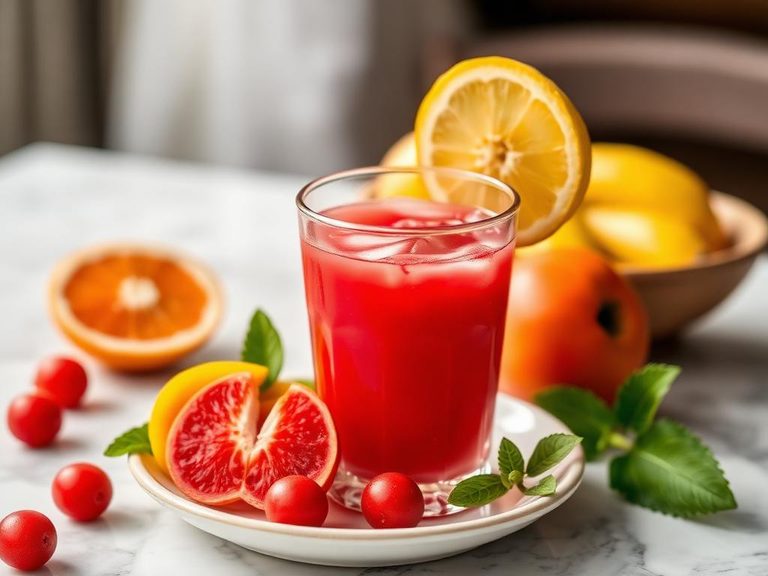
Acerola juice is a vibrant, tangy beverage made from the fruit of the acerola cherry (Malpighia emarginata), a small, bright red drupe native to the tropical Americas, particularly Brazil and the Caribbean. The juice is typically prepared by blending the fresh or frozen fruit with water and sweetener, then straining it to remove the pulp and seeds. It's known for its intense, tart flavor reminiscent of a cherry-citrus blend.
🍽️ Nutrition at a glance
Acerola juice is very low in fat and protein but can be high in natural sugars and carbohydrates, depending on added sweeteners. Its standout nutritional feature is its extraordinarily high vitamin C content, often exceeding that of oranges, along with significant amounts of vitamin A and potassium.
Nutrition breakdown
| Calories | 110 kcal |
| Protein | 1 g |
| Carbs | 27 g |
| Fat | 0.5 g |
| Fiber | 2 g |
| Sugar | 20 g |
| Sodium | 15 mg |
| Vitamin C | 1600 mg |
| Vitamin A | 767 mcg RAE |
| Potassium | 350 mg |
| Vitamin B6 | 0.2 mg |
| Riboflavin (B2) | 0.1 mg |
| Niacin (B3) | 1.0 mg |
| Magnesium | 20 mg |
| Iron | 0.5 mg |
Per 1 cup (240 g) · estimated, varies by recipe
💡 What's interesting
Culturally, acerola is a staple in Brazilian cuisine and traditional medicine, often consumed fresh or as a popular juice concentrate. Nutritionally, it's one of the richest natural sources of vitamin C in the world, with the fruit's concentration peaking just before it reaches full ripeness.
🍽️ Related dishes

AI estimate may be inaccurate · Terms