Pineapple, canned, extra heavy syrup pack, solids and liquids
Whole food · Fruits and Fruit Juices

Photo: Wikipedia
This is pineapple that has been sliced and preserved in a thick, sugary syrup, resulting in a consistently sweet, soft, and intensely tropical flavor. The heavy syrup pack ensures a luscious, almost candied texture that is less fibrous than fresh pineapple. Nutritionally, it's a concentrated source of quick energy from carbohydrates, primarily from the added sugars in the packing liquid.
💚 Why it's loved
People love it for its intense, predictable sweetness and soft texture, which makes it a nostalgic and convenient addition to desserts, cocktails, and baked goods. Its long shelf life and ready-to-eat nature make it a staple for quick snacks and pantry meals.
⚠️ Watch-outs & how to enjoy it better
The primary downside is the high sugar content from the heavy syrup, which can contribute to rapid blood sugar spikes. For those monitoring sugar intake, it's advisable to drain and rinse the slices thoroughly to remove excess syrup or opt for pineapple packed in juice or water. Portion control is also key.
Key benefits
- Provides a quick source of energy from carbohydrates
- Contains bromelain, an enzyme that aids in protein digestion
- Offers a convenient, year-round source of tropical fruit flavor
- Provides small amounts of manganese and vitamin C
🍽️ Popular dishes
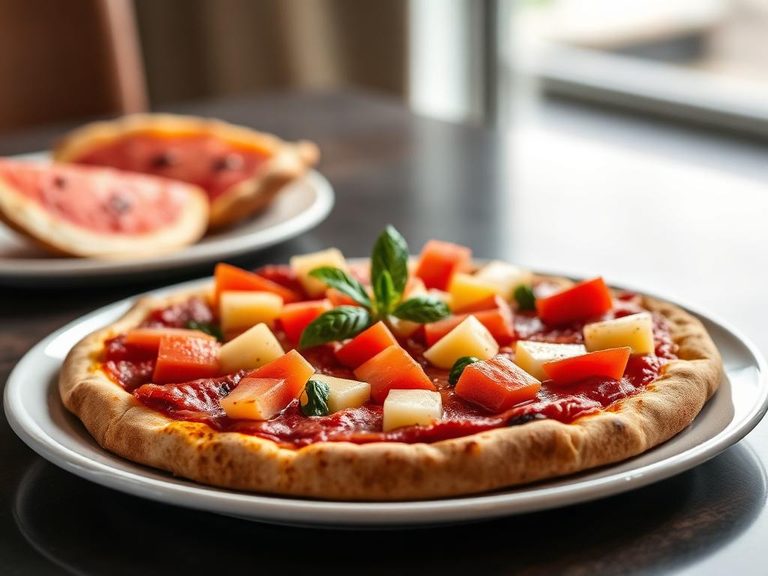
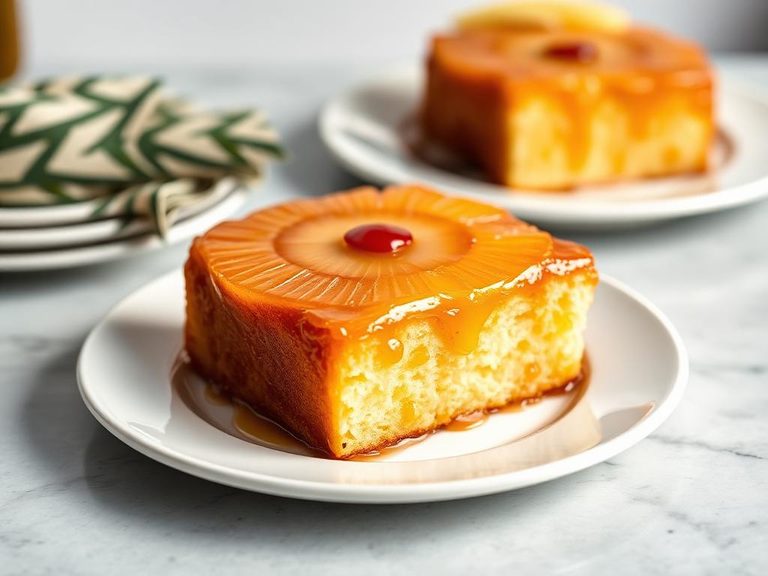
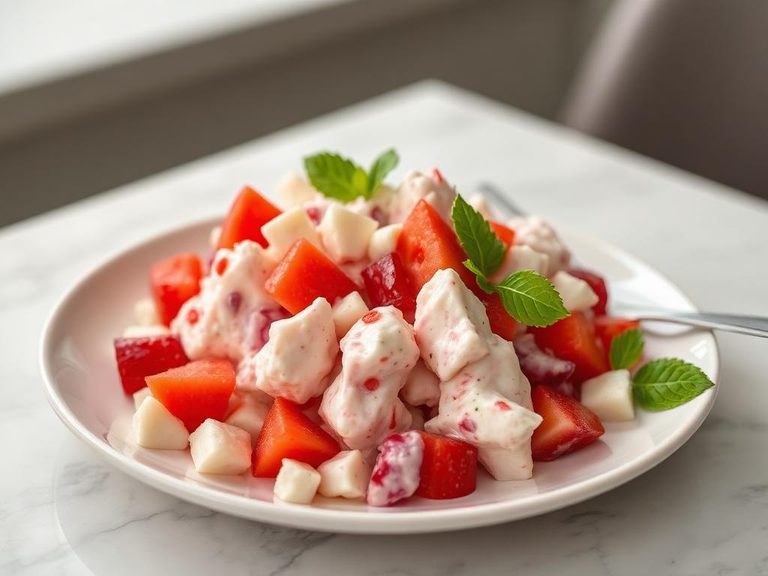
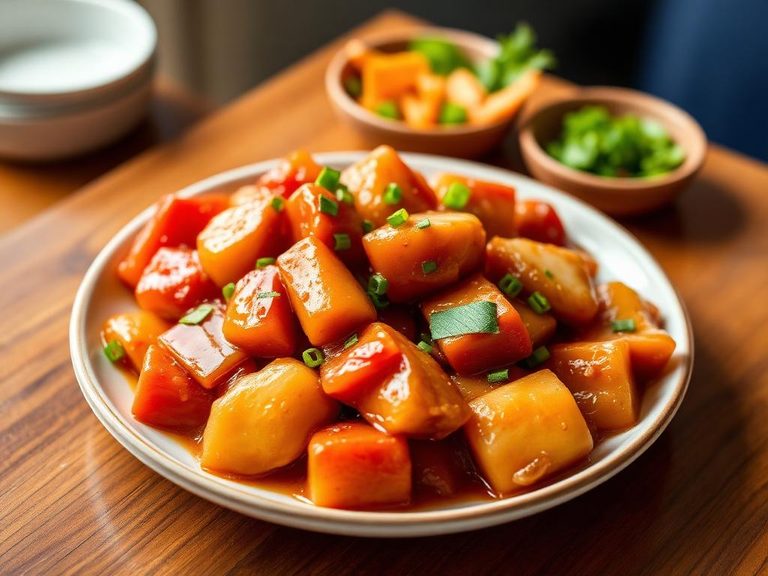
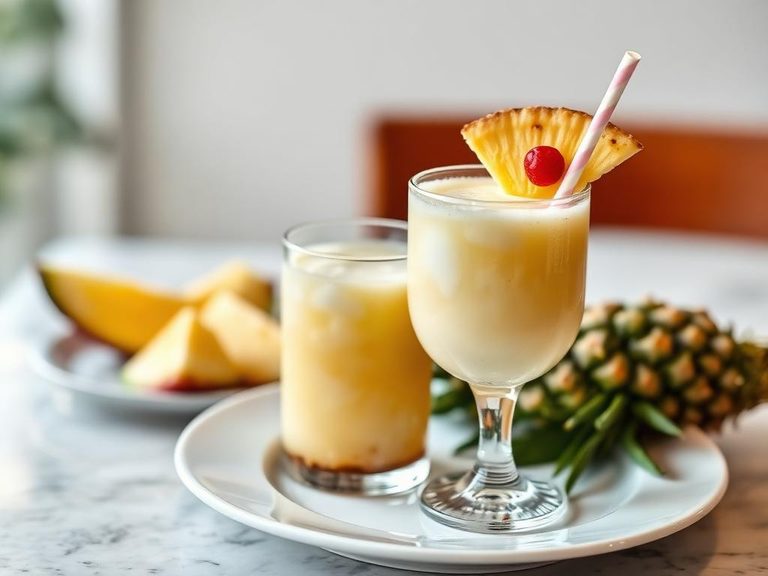
🌍 Where it's eaten
💡 Did you know?
The canning process, which involves high heat, deactivates the bromelain enzyme, so canned pineapple won't make your mouth tingle or prevent gelatin from setting, unlike fresh pineapple.
Full nutrition (scales with serving)
| Water | 77.7 g |
| Energy | 83.0 kcal |
| Energy | 347 kj |
| Protein | 0.34 g |
| Total lipid (fat) | 0.11 g |
| Ash | 0.34 g |
| Carbohydrate, by difference | 21.5 g |
| Fiber, total dietary | 0.80 g |
| Calcium, Ca | 14.0 mg |
| Iron, Fe | 0.38 mg |
| Magnesium, Mg | 15.0 mg |
| Phosphorus, P | 7.0 mg |
| Potassium, K | 102 mg |
| Sodium, Na | 1.0 mg |
| Zinc, Zn | 0.11 mg |
| Copper, Cu | 0.10 mg |
| Manganese, Mn | 1.1 mg |
| Vitamin C, total ascorbic acid | 7.3 mg |
| Thiamin | 0.09 mg |
| Riboflavin | 0.03 mg |
| Niacin | 0.28 mg |
| Pantothenic acid | 0.10 mg |
| Vitamin B-6 | 0.07 mg |
| Folate, total | 5.0 ug |
| Folic acid | 0.00 ug |
| Folate, food | 5.0 ug |
| Folate, DFE | 5.0 ug |
| Vitamin B-12 | 0.00 ug |
| Vitamin A, RAE | 1.0 ug |
| Retinol | 0.00 ug |
| Vitamin A, IU | 14.0 iu |
| Vitamin D (D2 + D3), International Units | 0.00 iu |
| Vitamin D (D2 + D3) | 0.00 ug |
Fat & fatty acid profile (per 100g)
| Fatty acids, total saturated | 0.01 g |
| SFA 16:0 | 0.01 g |
| SFA 18:0 | 0.00 g |
| Fatty acids, total monounsaturated | 0.01 g |
| MUFA 16:1 | 0.00 g |
| MUFA 18:1 | 0.01 g |
| Fatty acids, total polyunsaturated | 0.04 g |
| PUFA 18:2 | 0.02 g |
| PUFA 18:3 | 0.02 g |
| Fatty acids, total trans | 0.00 g |
| Cholesterol | 0.00 mg |
Amino acid profile (per 100g)
| Tryptophan | 0.01 g |
| Threonine | 0.01 g |
| Isoleucine | 0.01 g |
| Leucine | 0.01 g |
| Lysine | 0.02 g |
| Methionine | 0.01 g |
| Cystine | 0.00 g |
| Phenylalanine | 0.01 g |
| Tyrosine | 0.01 g |
| Valine | 0.01 g |
| Arginine | 0.01 g |
| Histidine | 0.01 g |
| Alanine | 0.02 g |
| Aspartic acid | 0.08 g |
| Glutamic acid | 0.04 g |
| Glycine | 0.01 g |
| Proline | 0.01 g |
| Serine | 0.02 g |
FAQ
Is canned pineapple in heavy syrup the same as fresh pineapple?
No. The canning process softens the texture and the heavy syrup adds significant sugar, making it sweeter and higher in calories than fresh pineapple. Fresh pineapple retains more of its natural enzymes and has a firmer, more fibrous texture.
How can I reduce the sugar content when using canned pineapple?
After opening the can, drain the syrup and rinse the pineapple slices under cool water in a colander. This can remove a substantial portion of the added sugars. You can also look for varieties packed in 100% pineapple juice or water.
What's the best way to use the leftover syrup?
Don't pour it down the drain! Use it as a sweetener in cocktails, smoothies, or iced tea. It can also be reduced into a glaze for ham or chicken, or used to poach other fruits.