

Thyme, fresh
Whole food · Spices and Herbs

Photo: Wikipedia
Fresh thyme is a woody, aromatic herb with tiny, tender leaves that pack a powerful, earthy, and slightly minty flavor. Nutritionally, it's a fiber powerhouse, offering a remarkable 14g of fiber per 100g, which supports digestive health.
Calorie split: 16% protein · 72% carbs · 11% fat
↓ Full nutrition💚 Why it's loved
People adore thyme for its robust, versatile flavor that forms the backbone of countless savory dishes, from rustic stews to roasted meats. Its cultural significance in Mediterranean and French cuisine makes it a symbol of culinary tradition and home cooking.
⚠️ Watch-outs & how to enjoy it better
Its strong, concentrated flavor can become overpowering if used excessively, potentially dominating a dish. To counteract this, start with a small amount, especially with dried thyme, and add it early in cooking to allow the flavor to mellow and integrate. For those with sensitive digestive systems, the high fiber content may cause discomfort; introduce it gradually.
Key benefits
- Exceptionally high in dietary fiber
- Good source of plant-based protein
- Rich in antioxidants like thymol
- Contains essential minerals like iron and manganese
- Low in fat and sugar-free
🍽️ Popular dishes
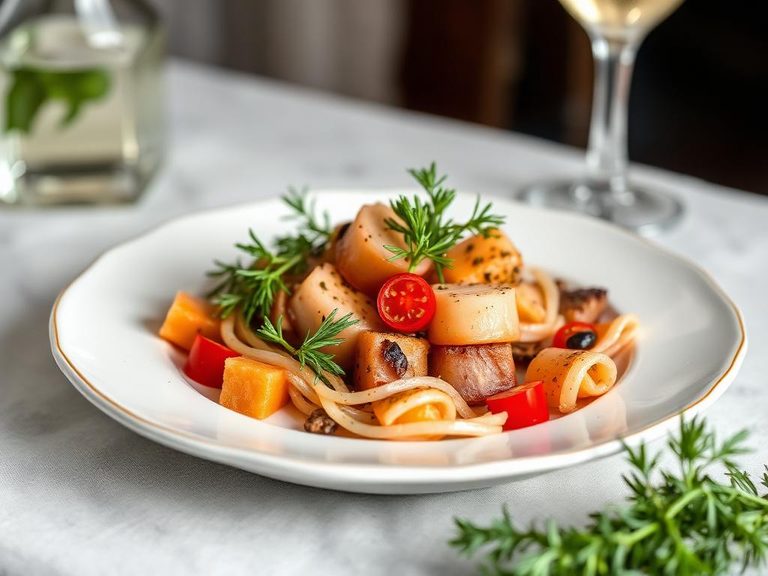
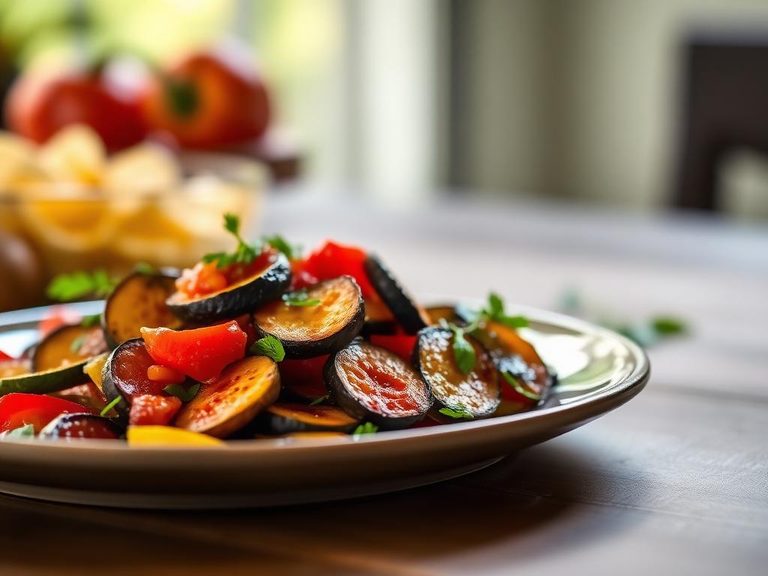


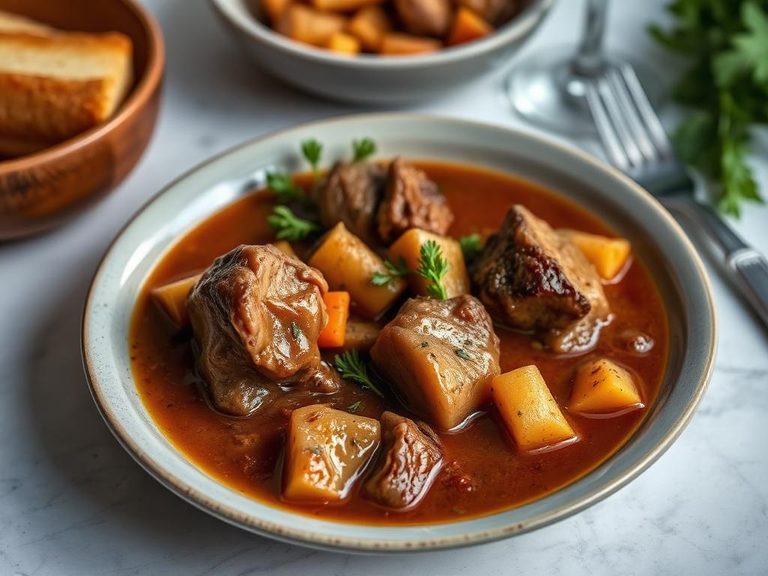
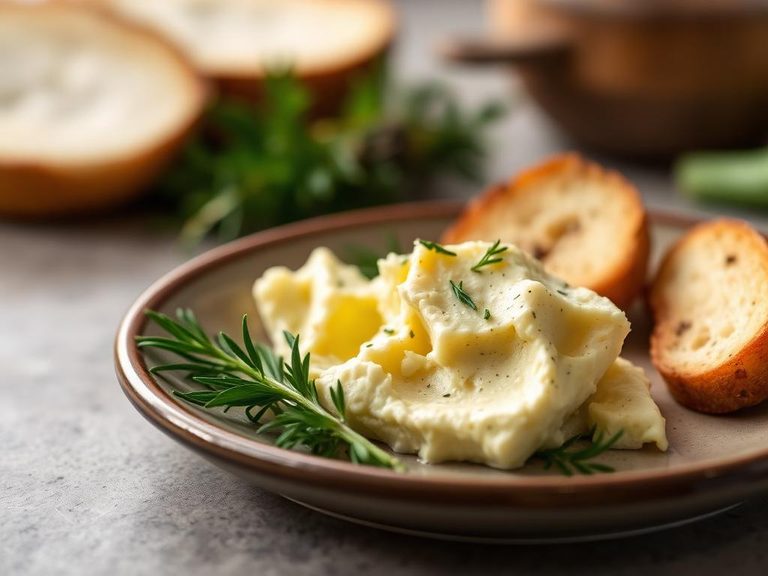
🌍 Where it's eaten
💡 Did you know?
Ancient Egyptians used thyme in their embalming process, believing it had purifying properties.
Full nutrition (USDA data · scales with serving)
| Water | 65.1 g |
| Energy | 101 kcal |
| Energy | 423 kj |
| Protein | 5.6 g |
| Total lipid (fat) | 1.7 g |
| Ash | 3.2 g |
| Carbohydrate, by difference | 24.4 g |
| Fiber, total dietary | 14.0 g |
| Calcium, Ca | 405 mg |
| Iron, Fe | 17.4 mg |
| Magnesium, Mg | 160 mg |
| Phosphorus, P | 106 mg |
| Potassium, K | 609 mg |
| Sodium, Na | 9.0 mg |
| Zinc, Zn | 1.8 mg |
| Copper, Cu | 0.56 mg |
| Manganese, Mn | 1.7 mg |
| Vitamin C, total ascorbic acid | 160 mg |
| Thiamin | 0.05 mg |
| Riboflavin | 0.47 mg |
| Niacin | 1.8 mg |
| Pantothenic acid | 0.41 mg |
| Vitamin B-6 | 0.35 mg |
| Folate, total | 45.0 ug |
| Folic acid | 0.00 ug |
| Folate, food | 45.0 ug |
| Folate, DFE | 45.0 ug |
| Vitamin B-12 | 0.00 ug |
| Vitamin A, RAE | 238 ug |
| Retinol | 0.00 ug |
| Carotene, beta | 2851 ug |
| Vitamin A, IU | 4751 iu |
| Vitamin D (D2 + D3), International Units | 0.00 iu |
| Vitamin D (D2 + D3) | 0.00 ug |
Fat & fatty acid profile (per 100g)
| Fatty acids, total saturated | 0.47 g |
| SFA 8:0 | 0.04 g |
| SFA 10:0 | 0.02 g |
| SFA 12:0 | 0.04 g |
| SFA 14:0 | 0.03 g |
| SFA 16:0 | 0.29 g |
| SFA 18:0 | 0.05 g |
| Fatty acids, total monounsaturated | 0.08 g |
| MUFA 18:1 | 0.08 g |
| Fatty acids, total polyunsaturated | 0.53 g |
| PUFA 18:2 | 0.09 g |
| PUFA 18:3 | 0.45 g |
| Fatty acids, total trans | 0.00 g |
| Cholesterol | 0.00 mg |
Amino acid profile (per 100g)
| Tryptophan | 0.11 g |
| Threonine | 0.15 g |
| Isoleucine | 0.28 g |
| Leucine | 0.26 g |
| Lysine | 0.13 g |
| Valine | 0.31 g |
FAQ
What's the difference between fresh and dried thyme?
Dried thyme has a more concentrated, slightly different flavor profile. As a general rule, use one-third the amount of dried thyme in place of fresh. Add dried thyme earlier in cooking to rehydrate and release its flavor.
How should I store fresh thyme?
Wrap the sprigs in a slightly damp paper towel and place them in a plastic bag in the refrigerator. Alternatively, stand the stems in a jar with a little water, like a bouquet, and cover loosely with a plastic bag.
Can I eat the stems of fresh thyme?
The tender upper stems can be finely chopped and used along with the leaves. The lower, woody stems are too tough to eat and are best used to flavor stocks, soups, or stews, then removed before serving.
Nutrient density (calculated · NRF9.3)
Nutrient Rich Foods index: beneficial nutrients (protein, fiber, vitamins, minerals) minus saturated fat, added sugar & sodium, per 100 kcal.
NRF9.3 index — Fulgoni, Keast & Drewnowski, 2009. Computed from USDA nutrients.
Weight-loss friendliness (composite index)
Energy density 1.01 kcal/g · 22% calories from protein · 14.0 g fiber · 0.0 g sugar per 100 g.
Composite of energy density (Rolls et al., 1999), protein & fiber satiety, minus sugar. A calculated heuristic — ranks satiety-per-calorie, not a clinical measure.
Dietary load (calculated from USDA values)
Potential renal acid load. Positive = acid-forming, negative = alkaline-forming.
Sodium-to-potassium ratio: 0.01 (lower is better — aim for ≤ 1)
Sodium:potassium per WHO potassium guidance. Computed from USDA nutrients.