

Seal, bearded (Oogruk), meat, dried (Alaska Native)
Whole food · American Indian/Alaska Native Foods

Photo: Wikipedia
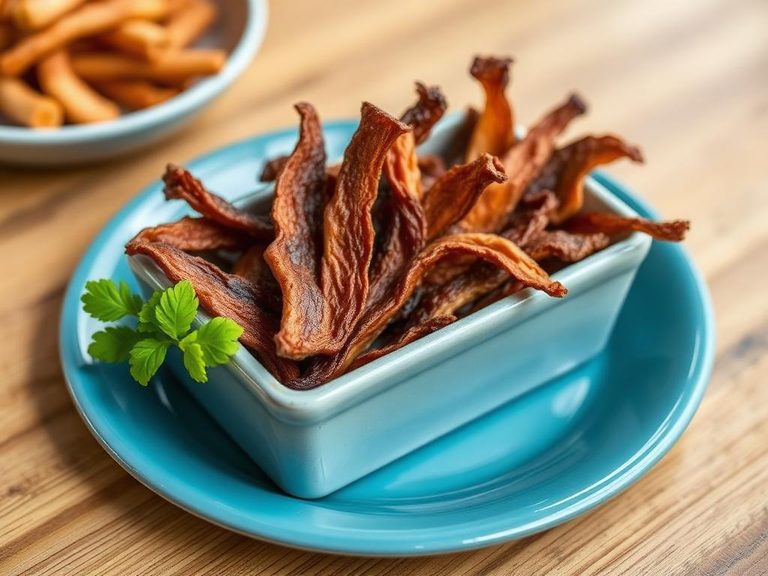
Dried bearded seal meat, known as Oogruk in Alaska Native cultures, is a traditional preserved food with a dense, chewy texture and a deep, savory, umami-rich flavor reminiscent of concentrated game or dried fish. It is an exceptionally protein-dense food, packing over 80 grams of protein per 100 grams with virtually no carbohydrates or fat.
Calorie split: 94% protein · 0% carbs · 6% fat
↓ Full nutrition💚 Why it's loved
It is cherished for its intense, savory flavor that forms the backbone of many traditional dishes and its remarkable ability to provide sustained energy during harsh winters and long hunts.
⚠️ Watch-outs & how to enjoy it better
Its extremely dense, chewy texture can be tough and difficult to chew, especially for those unaccustomed to it. It is also very low in moisture and can be drying to eat. To counteract this, it is often rehydrated by simmering in stews or soups, or chewed slowly with a sip of water or broth.
Key benefits
- Exceptionally high in complete protein for muscle maintenance.
- Naturally low in fat and carbohydrates.
- A concentrated source of energy for cold climates.
- Provides essential minerals like iron and zinc.
- Long shelf life when properly dried.
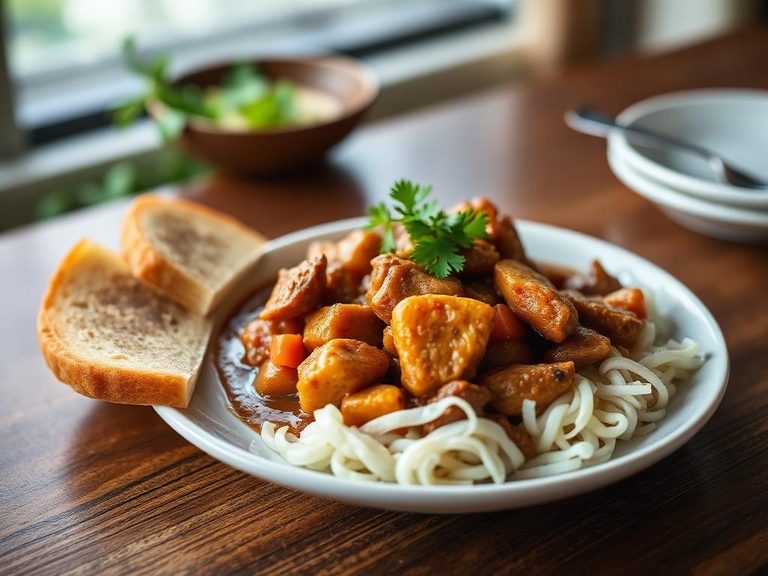
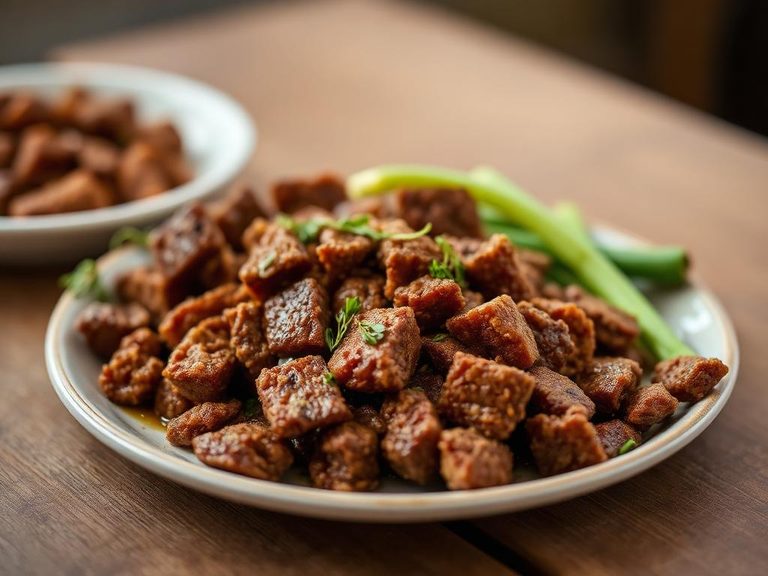
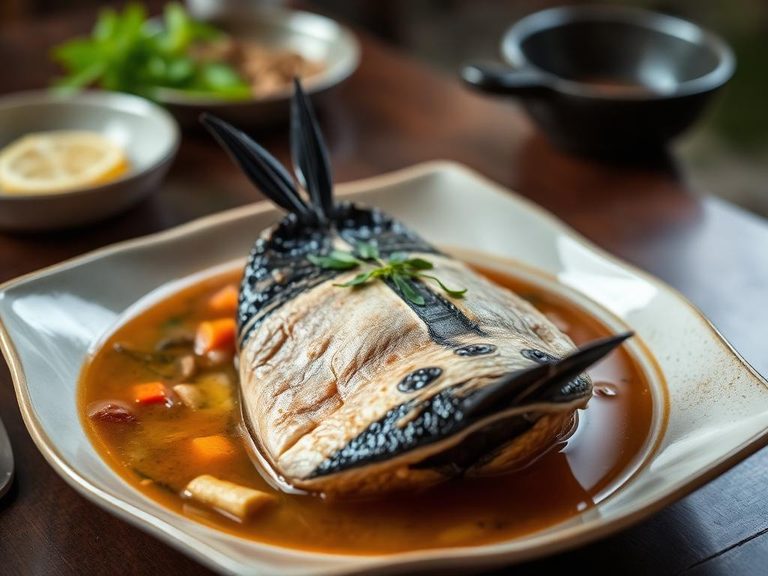
🍽️ Popular dishes
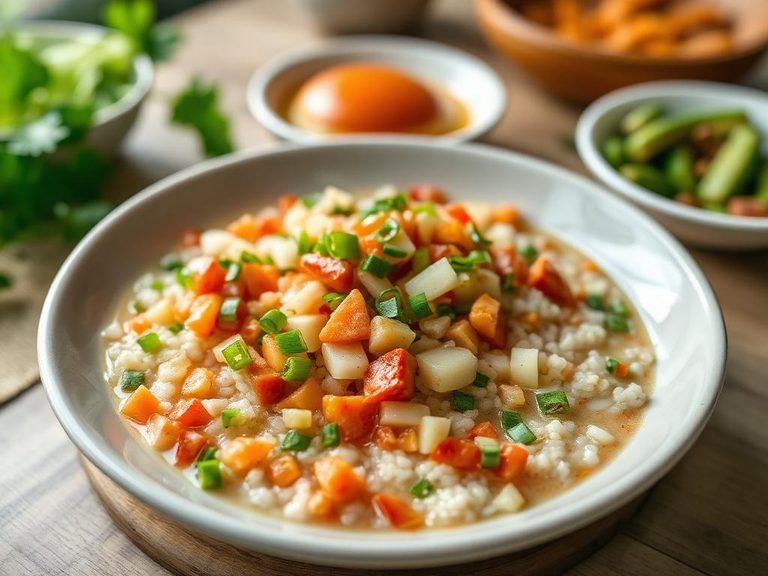
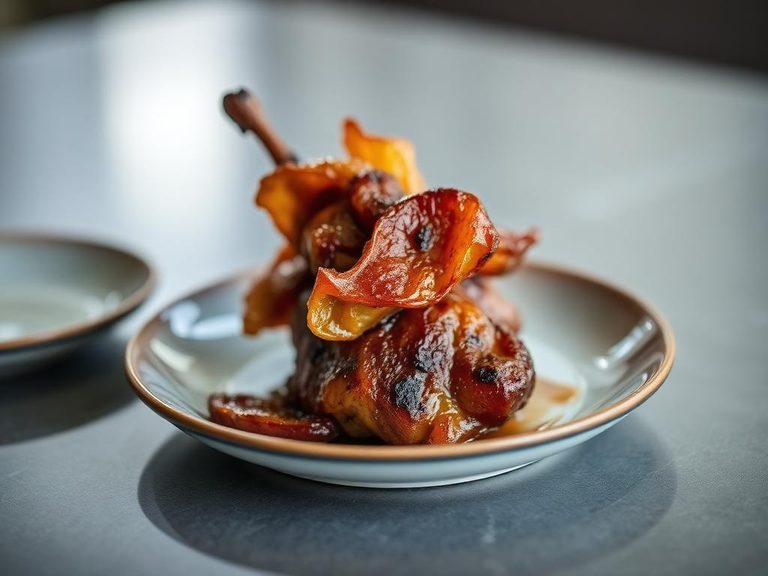
🌍 Where it's eaten
💡 Did you know?
The bearded seal (Oogruk) is one of the most important food sources for coastal Alaska Native communities, and its skin is also traditionally used to make waterproof boots and boat covers.
Full nutrition (USDA data · scales with serving)
| Water | 11.6 g |
| Energy | 351 kcal |
| Energy | 1469 kj |
| Protein | 82.6 g |
| Total lipid (fat) | 2.3 g |
| Ash | 3.5 g |
| Carbohydrate, by difference | 0.00 g |
| Fiber, total dietary | 0.00 g |
| Total Sugars | 0.00 g |
| Sucrose | 0.00 g |
| Glucose | 0.00 g |
| Fructose | 0.00 g |
| Lactose | 0.00 g |
| Maltose | 0.00 g |
| Galactose | 0.00 g |
| Starch | 0.00 g |
| Iron, Fe | 49.6 mg |
| Phosphorus, P | 784 mg |
| Thiamin | 0.13 mg |
| Riboflavin | 0.63 mg |
| Vitamin A, RAE | 393 ug |
| Carotene, beta | 0.00 ug |
| Carotene, alpha | 0.00 ug |
| Cryptoxanthin, beta | 0.00 ug |
| Vitamin A, IU | 1310 iu |
| Lycopene | 0.00 ug |
| Lutein + zeaxanthin | 0.00 ug |
| Alcohol, ethyl | 0.00 g |
| Caffeine | 0.00 mg |
| Theobromine | 0.00 mg |
Fat & fatty acid profile (per 100g)
| Fatty acids, total saturated | 0.60 g |
| Fatty acids, total monounsaturated | 1.3 g |
| Fatty acids, total polyunsaturated | 0.37 g |
| PUFA 18:2 | 0.03 g |
| PUFA 18:3 | 0.02 g |
Amino acid profile (per 100g)
| Tryptophan | 0.80 g |
| Threonine | 3.2 g |
| Isoleucine | 3.1 g |
| Leucine | 6.4 g |
| Lysine | 6.7 g |
| Methionine | 1.7 g |
| Cystine | 0.44 g |
| Phenylalanine | 3.3 g |
| Tyrosine | 2.2 g |
| Valine | 3.2 g |
| Arginine | 4.7 g |
| Histidine | 2.9 g |
| Alanine | 4.7 g |
| Aspartic acid | 6.9 g |
| Glutamic acid | 11.0 g |
| Glycine | 4.4 g |
| Proline | 3.8 g |
| Serine | 3.0 g |
FAQ
How is Oogruk different from jerky?
Oogruk is specifically dried seal meat, which has a distinct marine game flavor and an even denser, less fibrous texture than typical land-animal jerky. It's also traditionally prepared without the added sugars or spices common in commercial jerky.
Is it safe to eat raw?
Traditionally, dried Oogruk is eaten as-is after the drying process, which preserves it. However, for food safety, it should be prepared using proper traditional methods or cooked thoroughly if there's any concern.
Why is it so high in protein?
The drying process removes almost all water, concentrating the nutrients. Seal meat is naturally very lean and protein-rich, so the final dried product becomes an extremely dense protein source.
Weight-loss friendliness (composite index)
Energy density 3.51 kcal/g · 94% calories from protein · 0.0 g fiber · 0.0 g sugar per 100 g.
Composite of energy density (Rolls et al., 1999), protein & fiber satiety, minus sugar. A calculated heuristic — ranks satiety-per-calorie, not a clinical measure.