

Smoked and then dried

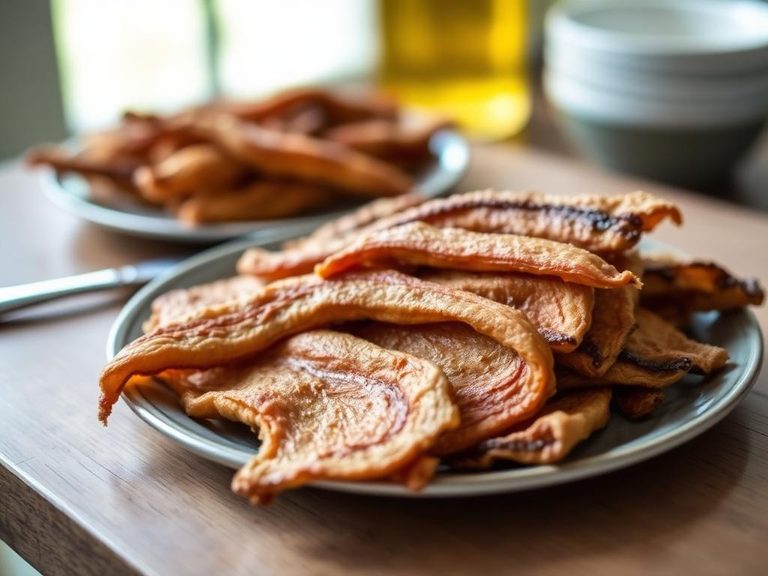
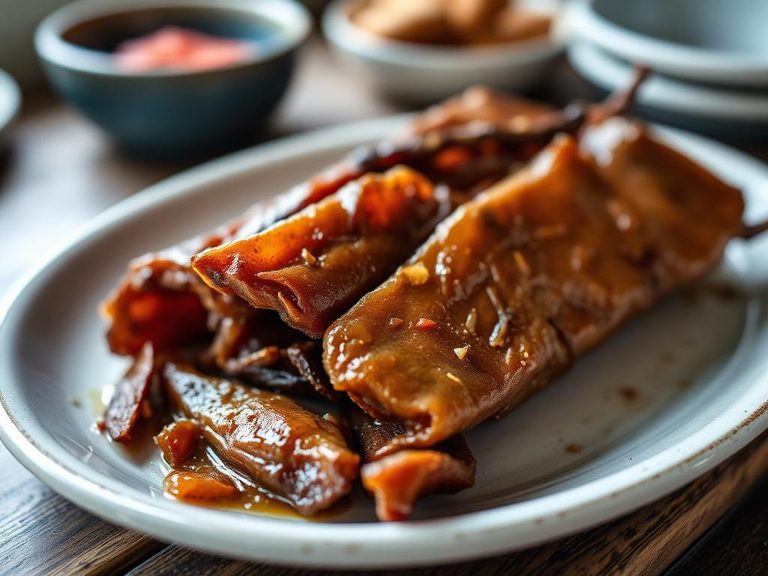
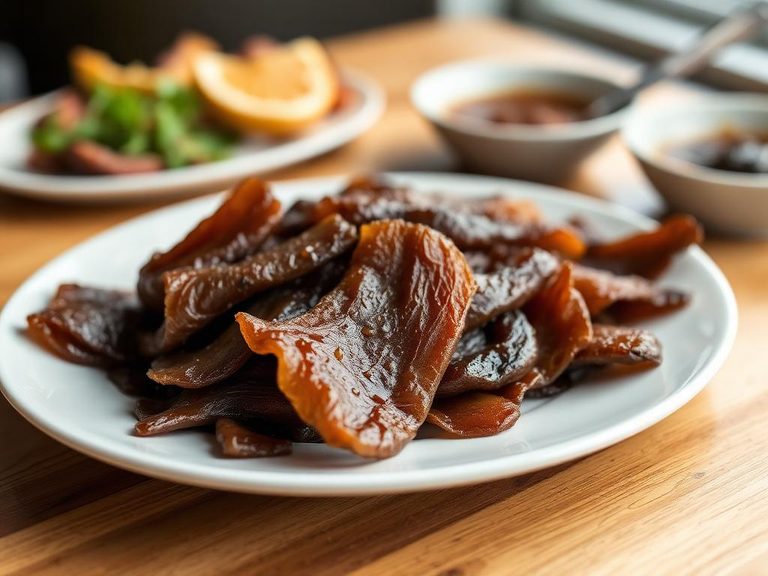
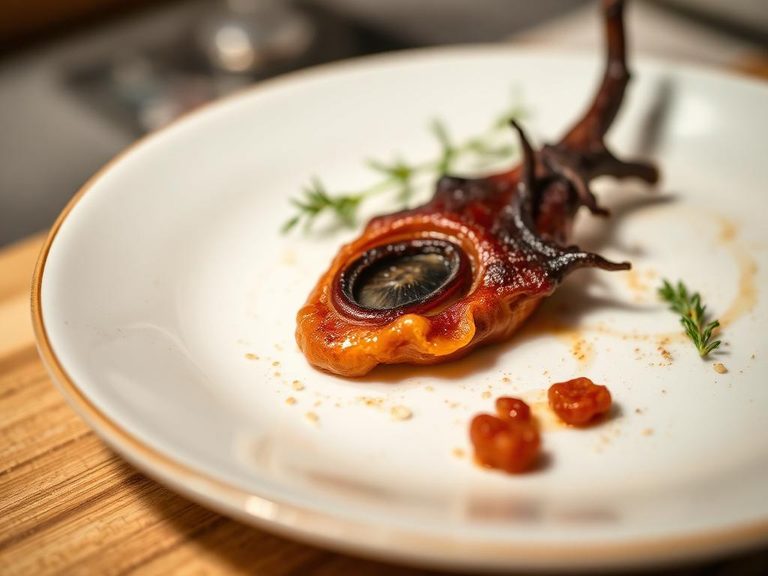
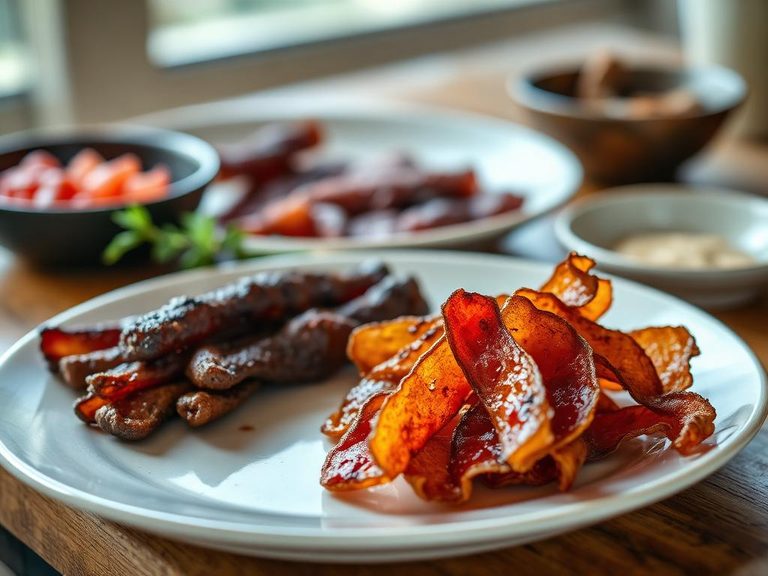
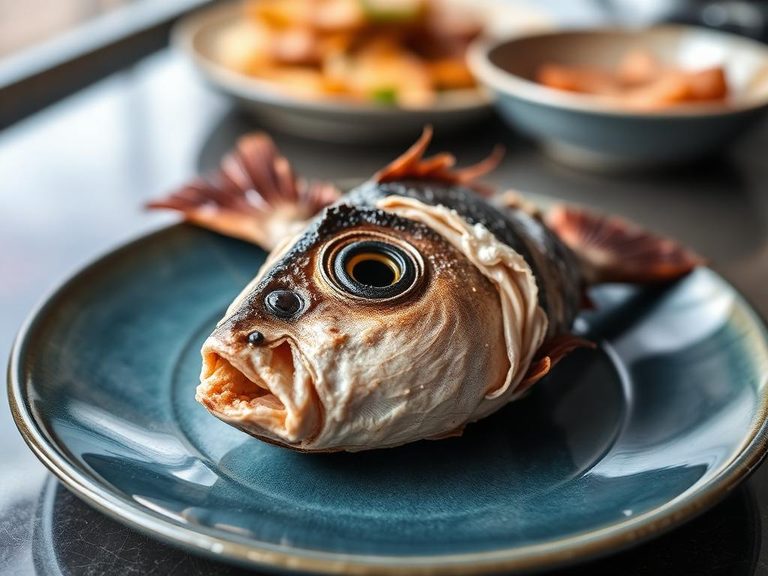
Smoked and then dried is a traditional preservation technique used for various foods, most commonly meats like beef, pork, or fish, and sometimes fruits or vegetables. The process involves first smoking the ingredient to impart flavor and inhibit bacterial growth, followed by thorough drying to remove moisture, creating a shelf-stable, concentrated product. This method is found in cuisines worldwide, from American jerky and European kippered herring to African biltong and Asian dried fish.
🍽️ Nutrition at a glance
As a preserved food, it is typically high in protein and low in carbohydrates, with fat content varying based on the original ingredient. It is a dense source of minerals like iron, zinc, and B vitamins, particularly B12, with a calorie range that can vary widely—from about 100-150 kcal for a small serving of dried fruit to over 300 kcal for a fatty meat jerky.
Nutrition breakdown
| Calories | 116 kcal |
| Protein | 9.4 g |
| Carbs | 3.1 g |
| Fat | 7.3 g |
| Fiber | 0.5 g |
| Sugar | 2.1 g |
| Sodium | 490 mg |
| Iron | 1.2 mg |
| Zinc | 2.3 mg |
| Potassium | 170 mg |
| Niacin (B3) | 3.2 mg |
| Vitamin B6 | 0.2 mg |
| Vitamin B12 | 0.6 µg |
| Phosphorus | 100 mg |
| Magnesium | 15 mg |
Per 1 oz (28 g) of beef jerky · estimated, varies by recipe
💡 What's interesting
Culturally, this technique represents one of humanity's oldest food preservation methods, essential for long journeys, storage, and survival before refrigeration. Nutritionally, the concentration process makes it a highly efficient, portable source of energy and nutrients, though the sodium content can be high due to the curing salts often used.
🍽️ Related dishes

AI estimate may be inaccurate · Terms