

Nuts, pilinuts, dried
Whole food · Nut and Seed Products

Photo: Wikipedia
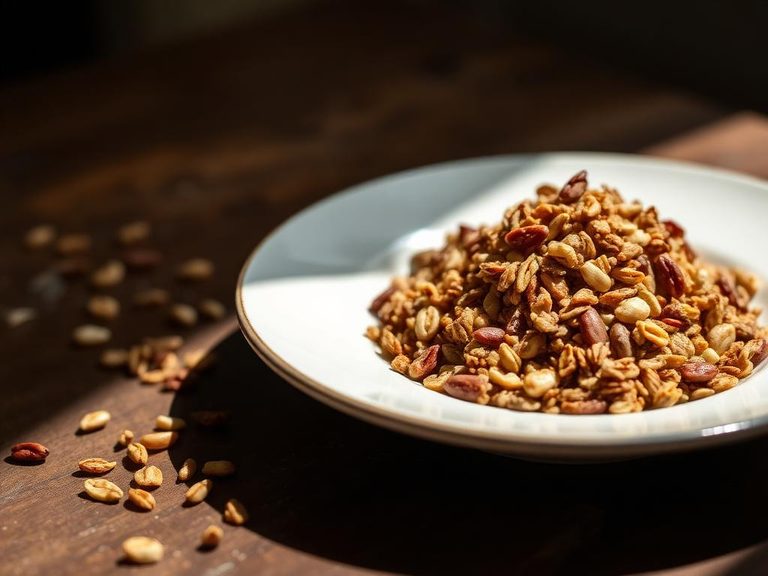
Pili nuts are the large, buttery kernels of the pili fruit, native to the rainforests of Southeast Asia. They possess a rich, creamy texture and a mild, slightly sweet flavor reminiscent of a cross between a macadamia and a pine nut. Nutritionally, they are an exceptional source of healthy fats, providing nearly 80 grams per 100-gram serving.
Calorie split: 6% protein · 2% carbs · 92% fat
↓ Full nutrition💚 Why it's loved
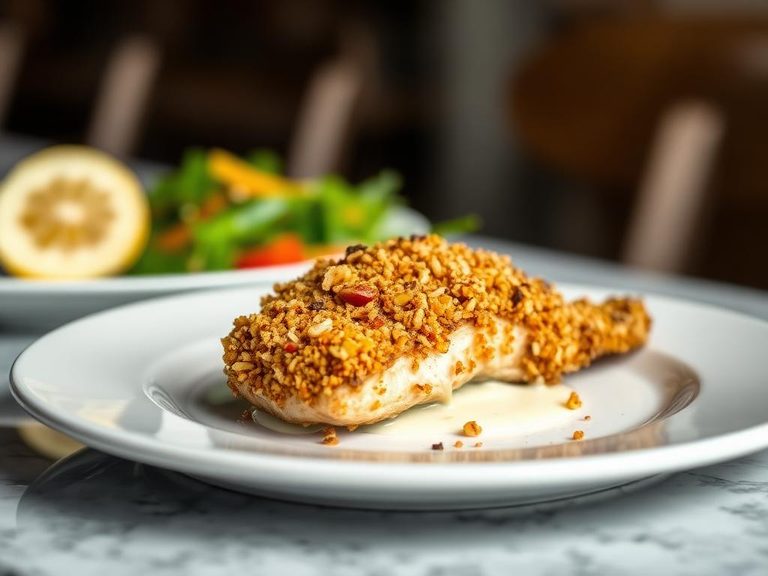
People cherish pili nuts for their luxurious, melt-in-your-mouth buttery texture and subtle, sweet-nutty flavor that doesn't overpower other ingredients. They are a prized, versatile ingredient in both savory dishes and confections across Southeast Asian cuisines.
⚠️ Watch-outs & how to enjoy it better
Due to their very high fat and calorie density, overconsumption can lead to unwanted calorie intake. Those with tree nut allergies must strictly avoid them. To manage portions, use them as a garnish or mix them into trail mixes with higher-fiber ingredients like dried fruit to promote satiety.
Key benefits
- Extremely high in heart-healthy monounsaturated fats
- Very low in carbohydrates, making them keto-friendly
- Good source of magnesium and manganese
- Provide a substantial calorie-dense energy source
- Contain antioxidants like tocotrienols
🍽️ Popular dishes
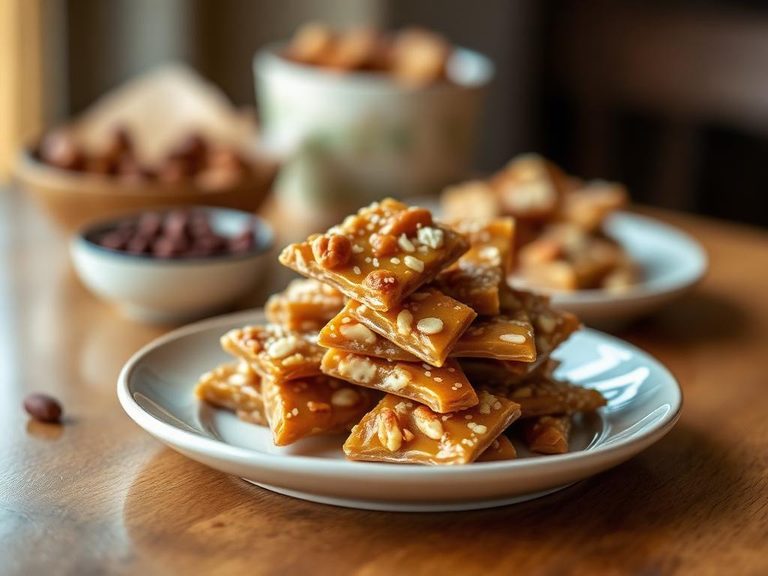
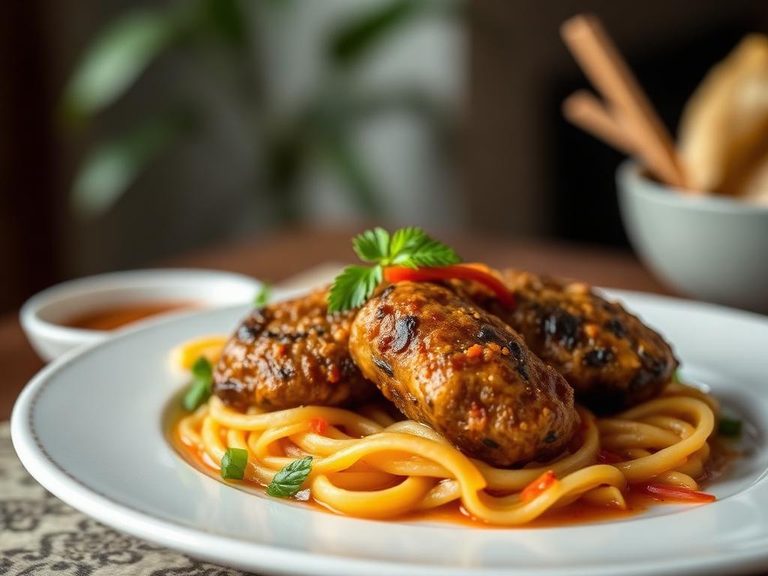
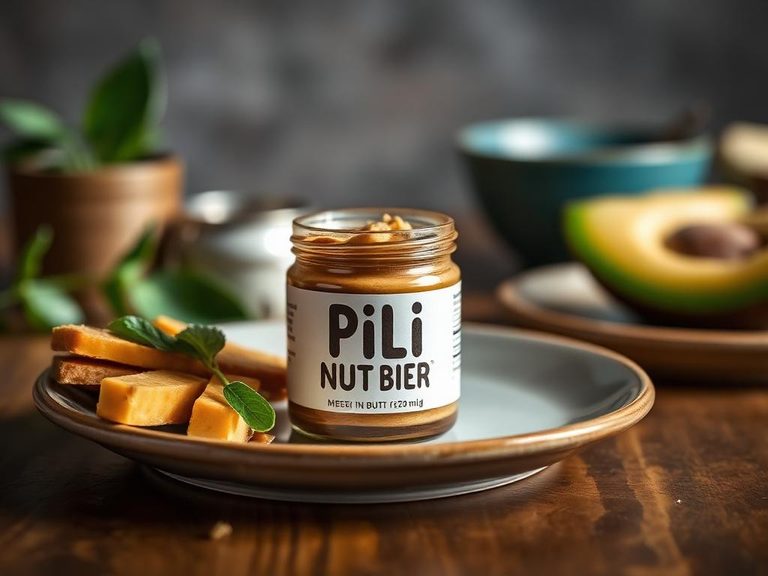
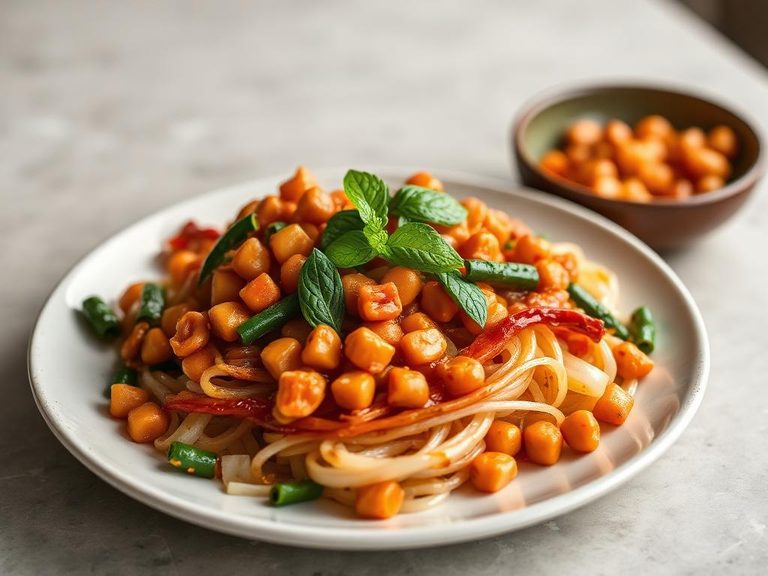
🌍 Where it's eaten
💡 Did you know?
The pili tree is notoriously difficult to cultivate; it takes about 7-10 years to bear fruit, and the nuts are still largely harvested from wild trees in the Bicol region of the Philippines.
Full nutrition (USDA data · scales with serving)
| Water | 2.8 g |
| Energy | 719 kcal |
| Energy | 3008 kj |
| Protein | 10.8 g |
| Total lipid (fat) | 79.5 g |
| Ash | 2.9 g |
| Carbohydrate, by difference | 4.0 g |
| Calcium, Ca | 145 mg |
| Iron, Fe | 3.5 mg |
| Magnesium, Mg | 302 mg |
| Phosphorus, P | 575 mg |
| Potassium, K | 507 mg |
| Sodium, Na | 3.0 mg |
| Zinc, Zn | 3.0 mg |
| Copper, Cu | 0.96 mg |
| Manganese, Mn | 2.3 mg |
| Vitamin C, total ascorbic acid | 0.60 mg |
| Thiamin | 0.91 mg |
| Riboflavin | 0.09 mg |
| Niacin | 0.52 mg |
| Pantothenic acid | 0.48 mg |
| Vitamin B-6 | 0.12 mg |
| Folate, total | 60.0 ug |
| Folic acid | 0.00 ug |
| Folate, food | 60.0 ug |
| Folate, DFE | 60.0 ug |
| Vitamin B-12 | 0.00 ug |
| Vitamin A, RAE | 2.0 ug |
| Retinol | 0.00 ug |
| Vitamin A, IU | 41.0 iu |
Fat & fatty acid profile (per 100g)
| Fatty acids, total saturated | 31.2 g |
| SFA 16:0 | 22.0 g |
| SFA 18:0 | 9.1 g |
| Fatty acids, total monounsaturated | 37.2 g |
| MUFA 18:1 | 37.2 g |
| Fatty acids, total polyunsaturated | 7.6 g |
| PUFA 18:2 | 7.6 g |
| Cholesterol | 0.00 mg |
Amino acid profile (per 100g)
| Tryptophan | 0.19 g |
| Threonine | 0.41 g |
| Isoleucine | 0.48 g |
| Leucine | 0.89 g |
| Lysine | 0.37 g |
| Methionine | 0.40 g |
| Cystine | 0.19 g |
| Phenylalanine | 0.50 g |
| Tyrosine | 0.38 g |
| Valine | 0.70 g |
| Arginine | 1.5 g |
| Histidine | 0.26 g |
| Alanine | 0.51 g |
| Aspartic acid | 1.2 g |
| Glutamic acid | 2.4 g |
| Glycine | 0.65 g |
| Proline | 0.47 g |
| Serine | 0.60 g |
FAQ
How do pili nuts differ from pine nuts?
Pili nuts are larger, with a much higher fat content (nearly 80% vs. ~68% for pine nuts) and a softer, more buttery texture. Pine nuts have a more pronounced, resinous flavor.
Are pili nuts the same as Brazil nuts?
No. They are from entirely different trees and families. Pili nuts are from the Canarium ovatum tree (Burseraceae family), while Brazil nuts come from the Bertholletia excelsa tree (Lecythidaceae family) and are famous for their extremely high selenium content.
What is the best way to store pili nuts?
Due to their high oil content, they can go rancid. Store shelled pili nuts in an airtight container in the refrigerator for up to 3 months or in the freezer for up to a year to preserve their fresh flavor.
Nutrient density (calculated · NRF9.3)
Nutrient Rich Foods index: beneficial nutrients (protein, fiber, vitamins, minerals) minus saturated fat, added sugar & sodium, per 100 kcal.
NRF9.3 index — Fulgoni, Keast & Drewnowski, 2009. Computed from USDA nutrients.
Weight-loss friendliness (composite index)
Energy density 7.19 kcal/g · 6% calories from protein · 0.0 g fiber · 0.0 g sugar per 100 g.
Composite of energy density (Rolls et al., 1999), protein & fiber satiety, minus sugar. A calculated heuristic — ranks satiety-per-calorie, not a clinical measure.
Dietary load (calculated from USDA values)
Potential renal acid load. Positive = acid-forming, negative = alkaline-forming.
Sodium-to-potassium ratio: 0.01 (lower is better — aim for ≤ 1)
Sodium:potassium per WHO potassium guidance. Computed from USDA nutrients.