

Nance, frozen, unsweetened
Whole food · Fruits and Fruit Juices

Photo: Wikipedia
Nance is a small, golden-yellow tropical fruit with a unique, pungent aroma often described as a mix of lychee and cheese. Its texture is soft and slightly grainy when frozen, offering a sweet-tart flavor with a distinct fermented note. Nutritionally, it's a low-calorie, high-fiber option, with its 7.5g of fiber per 100g being a standout feature.
Calorie split: 3% protein · 84% carbs · 13% fat
↓ Full nutrition💚 Why it's loved
People love nance for its intensely aromatic, complex flavor that's both sweet and savory, making it a beloved staple in tropical cuisines. Its versatility shines in both sweet desserts and savory dishes, carrying deep cultural significance in countries like Colombia and Mexico.
⚠️ Watch-outs & how to enjoy it better
Its strong, polarizing aroma can be off-putting to first-timers, and the high fiber content may cause digestive discomfort if consumed in large quantities. Those monitoring blood sugar should be mindful of its 8.31g of sugar per 100g. Tip: Pair with a source of protein or fat (like yogurt or cheese) to slow sugar absorption and balance the meal.
Key benefits
- Excellent source of dietary fiber for digestive health.
- Low in calories and fat, suitable for weight management.
- Contains natural sugars for a quick energy boost.
- Provides antioxidants like vitamin C.
- Traditional ingredient in Latin American folk remedies.
🍽️ Popular dishes
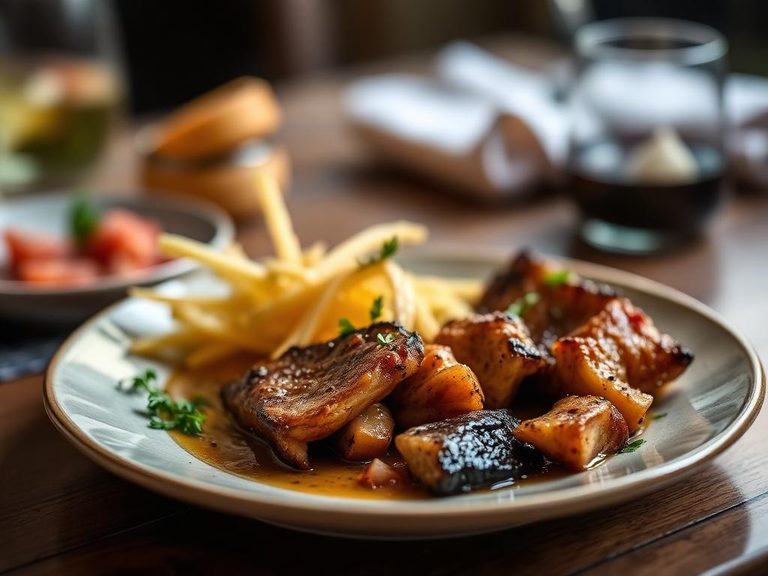
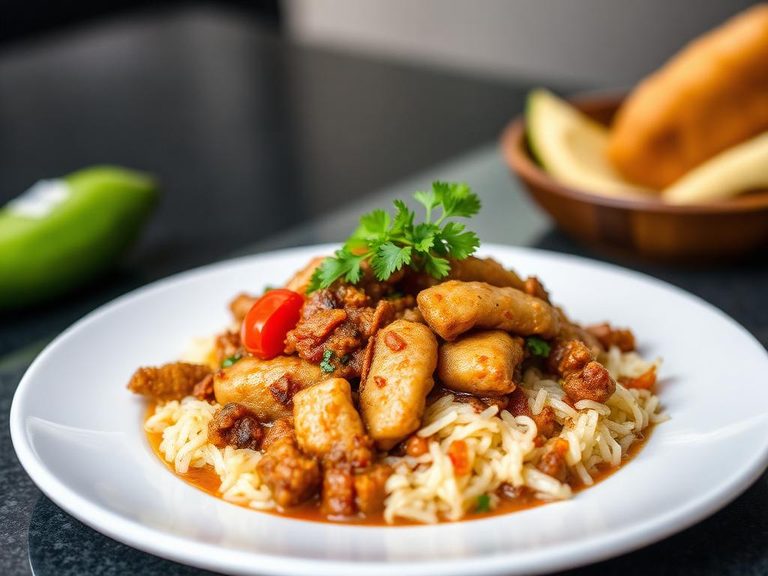
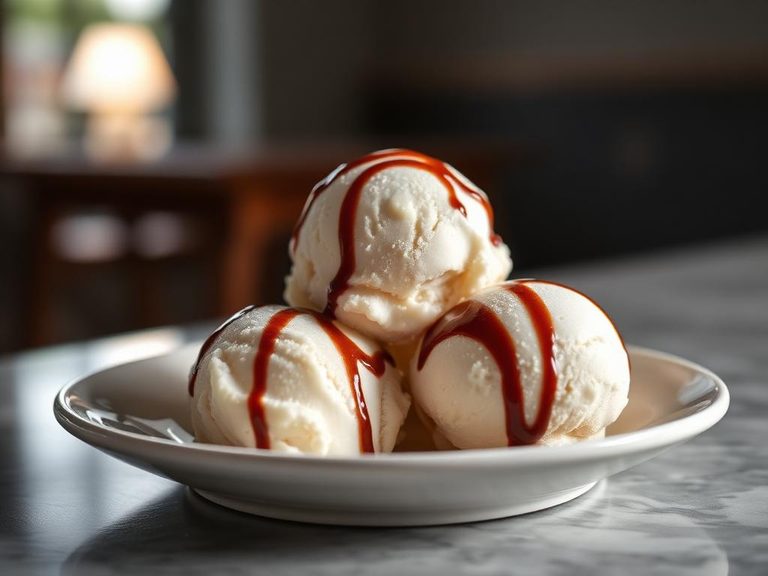

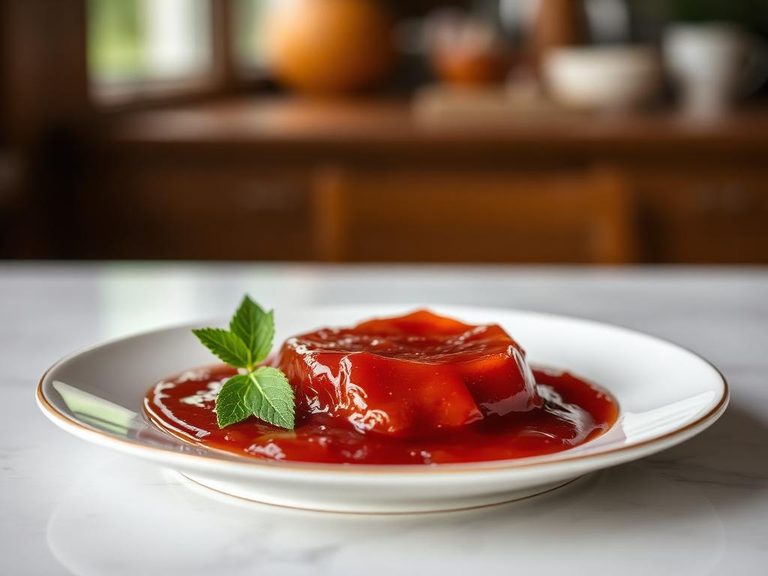

🌍 Where it's eaten
💡 Did you know?
The fruit's strong smell is due to a compound called ethyl butyrate, which is also used to create artificial pineapple and strawberry flavors.
Full nutrition (USDA data · scales with serving)
| Water | 80.6 g |
| Energy | 73.0 kcal |
| Energy | 306 kj |
| Protein | 0.66 g |
| Total lipid (fat) | 1.2 g |
| Ash | 0.57 g |
| Carbohydrate, by difference | 17.0 g |
| Fiber, total dietary | 7.5 g |
| Total Sugars | 8.3 g |
| Sucrose | 0.00 g |
| Glucose | 3.6 g |
| Fructose | 4.7 g |
| Lactose | 0.00 g |
| Maltose | 0.00 g |
| Galactose | 0.00 g |
| Calcium, Ca | 46.0 mg |
| Iron, Fe | 0.38 mg |
| Magnesium, Mg | 20.0 mg |
| Phosphorus, P | 10.0 mg |
| Potassium, K | 244 mg |
| Sodium, Na | 3.0 mg |
| Zinc, Zn | 0.09 mg |
| Copper, Cu | 0.04 mg |
| Manganese, Mn | 0.25 mg |
| Selenium, Se | 0.40 ug |
| Vitamin C, total ascorbic acid | 92.5 mg |
| Thiamin | 0.01 mg |
| Riboflavin | 0.02 mg |
| Niacin | 0.29 mg |
| Pantothenic acid | 0.18 mg |
| Vitamin B-6 | 0.02 mg |
| Folate, total | 8.0 ug |
| Folic acid | 0.00 ug |
| Folate, food | 8.0 ug |
| Folate, DFE | 8.0 ug |
| Vitamin A, RAE | 4.0 ug |
| Carotene, beta | 40.0 ug |
| Carotene, alpha | 3.0 ug |
| Cryptoxanthin, beta | 5.0 ug |
| Vitamin A, IU | 74.0 iu |
| Lycopene | 0.00 ug |
| Lutein + zeaxanthin | 569 ug |
| Vitamin E (alpha-tocopherol) | 1.3 mg |
| Tocopherol, beta | 0.05 mg |
| Tocopherol, gamma | 1.9 mg |
| Tocopherol, delta | 0.29 mg |
| Tocotrienol, alpha | 0.03 mg |
| Tocotrienol, beta | 0.00 mg |
| Tocotrienol, gamma | 0.05 mg |
| Tocotrienol, delta | 0.00 mg |
| Vitamin K (phylloquinone) | 11.9 ug |
Fat & fatty acid profile (per 100g)
| Fatty acids, total trans | 0.00 g |
FAQ
What does nance taste like?
Nance has a unique sweet-tart flavor with a pungent, cheesy, or fermented aroma. The taste is often compared to a mix of lychee, apricot, and a hint of sourness.
How is frozen nance typically used?
Frozen nance is commonly used to make beverages like chicha de nance or agua de nance, desserts such as ice cream and puddings, or simply thawed and eaten as a snack. It retains its strong flavor well after freezing.
Is nance the same as a loquat?
No, they are different fruits. Nance (Byrsonima crassifolia) is smaller, more aromatic, and has a distinct fermented note, while loquat (Eriobotrya japonica) is milder, juicier, and more commonly known in Asian cuisines.
Nutrient density (calculated · NRF9.3)
Nutrient Rich Foods index: beneficial nutrients (protein, fiber, vitamins, minerals) minus saturated fat, added sugar & sodium, per 100 kcal.
NRF9.3 index — Fulgoni, Keast & Drewnowski, 2009. Computed from USDA nutrients.
Weight-loss friendliness (composite index)
Energy density 0.73 kcal/g · 4% calories from protein · 7.5 g fiber · 8.3 g sugar per 100 g.
Composite of energy density (Rolls et al., 1999), protein & fiber satiety, minus sugar. A calculated heuristic — ranks satiety-per-calorie, not a clinical measure.
Dietary load (calculated from USDA values)
Potential renal acid load. Positive = acid-forming, negative = alkaline-forming.
Sodium-to-potassium ratio: 0.01 (lower is better — aim for ≤ 1)
Sodium:potassium per WHO potassium guidance. Computed from USDA nutrients.