

Lemon grass (citronella), raw
Whole food · Vegetables and Vegetable Products

Photo: Wikipedia
Lemongrass is a tropical, aromatic grass with a tough, fibrous stalk and a bright, lemony scent. Its raw flavor is intensely citrusy with a hint of ginger and mint, but the texture is too woody to eat directly. Nutritionally, it's a low-calorie source of carbohydrates, primarily from its aromatic compounds and essential oils.
Calorie split: 6% protein · 90% carbs · 4% fat
↓ Full nutrition💚 Why it's loved
People love it for its uniquely clean, citrusy fragrance that defines the flavor of many Southeast Asian curries, soups, and teas. It's incredibly versatile, infusing dishes with a fresh, zesty backbone without adding acidity.
⚠️ Watch-outs & how to enjoy it better
The raw stalk is extremely fibrous and inedible; it must be bruised, pounded, or finely sliced to release flavor and then often removed before eating. Those with sensitive digestive systems might find large amounts irritating. To counteract, always use it as an aromatic (like a bay leaf) by bruising and simmering, then removing, or mince the tender inner core very finely.
Key benefits
- Rich in citral, a compound studied for its antimicrobial properties.
- Contains antioxidants like chlorogenic acid and isoorientin.
- May support digestive health and reduce bloating.
- Provides small amounts of iron and potassium.
- Used in traditional medicine for its calming effects.
🍽️ Popular dishes
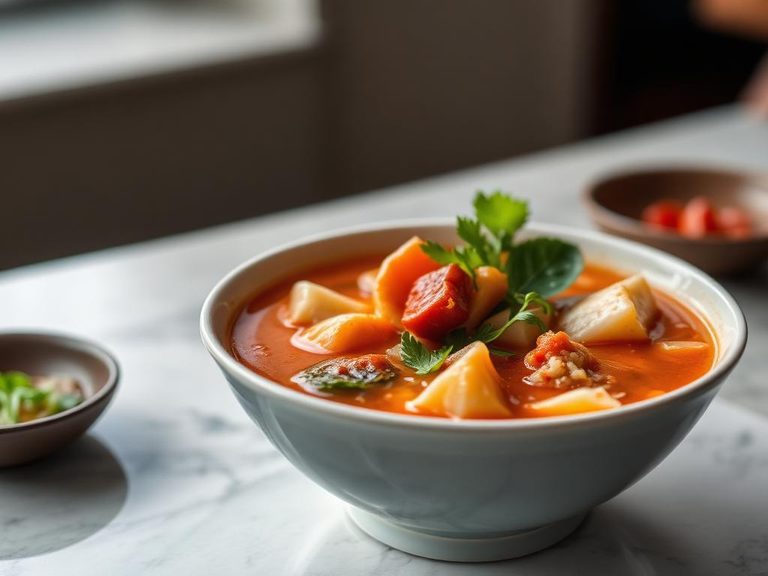
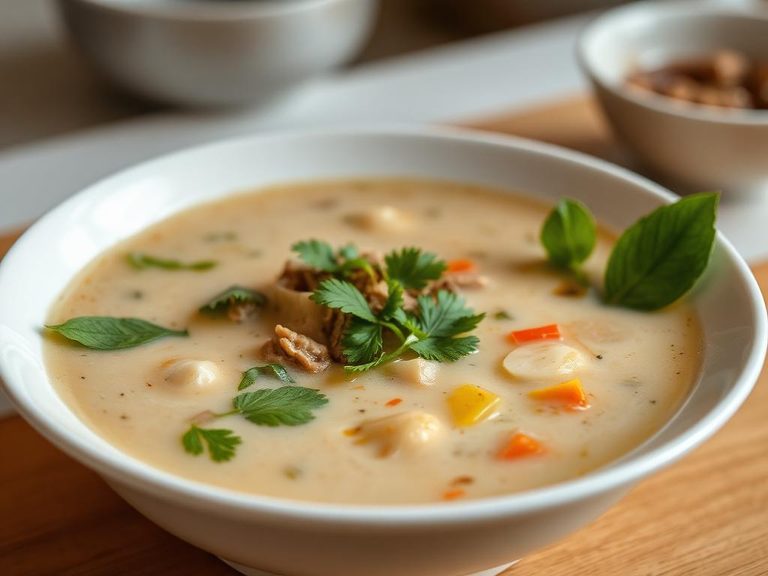
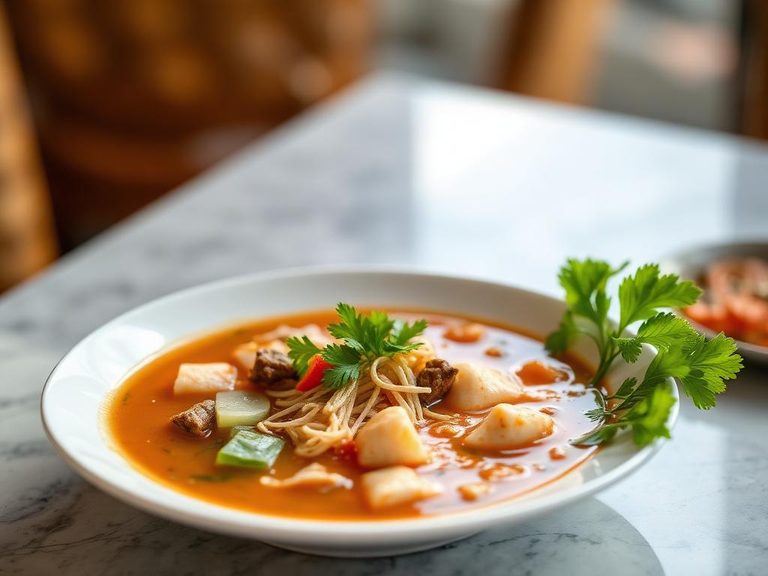
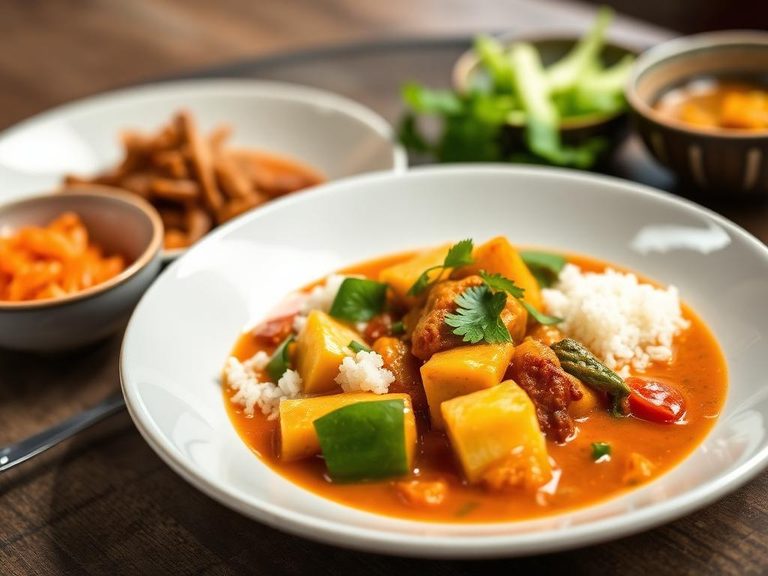
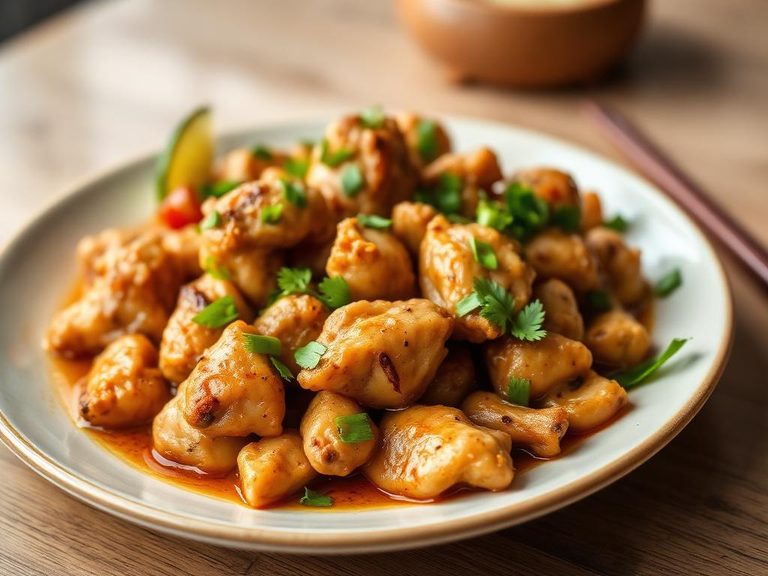
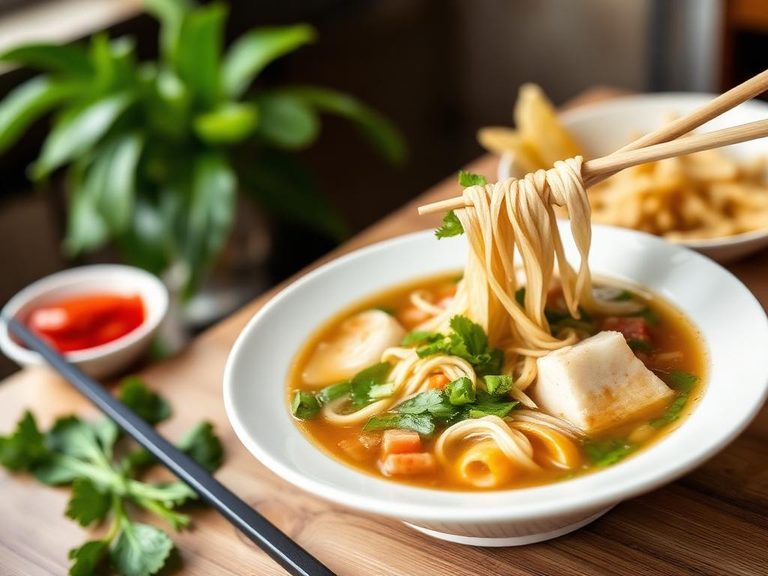
🌍 Where it's eaten
💡 Did you know?
The name 'citronella' comes from the same plant genus (Cymbopogon), and its essential oil is the primary active ingredient in many natural mosquito-repellent candles and sprays.
Full nutrition (USDA data · scales with serving)
| Water | 70.6 g |
| Energy | 99.0 kcal |
| Energy | 414 kj |
| Protein | 1.8 g |
| Total lipid (fat) | 0.49 g |
| Ash | 1.8 g |
| Carbohydrate, by difference | 25.3 g |
| Calcium, Ca | 65.0 mg |
| Iron, Fe | 8.2 mg |
| Magnesium, Mg | 60.0 mg |
| Phosphorus, P | 101 mg |
| Potassium, K | 723 mg |
| Sodium, Na | 6.0 mg |
| Zinc, Zn | 2.2 mg |
| Copper, Cu | 0.27 mg |
| Manganese, Mn | 5.2 mg |
| Selenium, Se | 0.70 ug |
| Vitamin C, total ascorbic acid | 2.6 mg |
| Thiamin | 0.07 mg |
| Riboflavin | 0.14 mg |
| Niacin | 1.1 mg |
| Pantothenic acid | 0.05 mg |
| Vitamin B-6 | 0.08 mg |
| Folate, total | 75.0 ug |
| Folic acid | 0.00 ug |
| Folate, food | 75.0 ug |
| Folate, DFE | 75.0 ug |
| Vitamin B-12 | 0.00 ug |
| Vitamin A, RAE | 0.00 ug |
| Retinol | 0.00 ug |
| Carotene, beta | 3.0 ug |
| Carotene, alpha | 0.00 ug |
| Cryptoxanthin, beta | 0.00 ug |
| Vitamin A, IU | 6.0 iu |
| Vitamin D (D2 + D3), International Units | 0.00 iu |
| Vitamin D (D2 + D3) | 0.00 ug |
| Alcohol, ethyl | 0.00 g |
Fat & fatty acid profile (per 100g)
| Fatty acids, total saturated | 0.12 g |
| SFA 14:0 | 0.00 g |
| SFA 16:0 | 0.08 g |
| SFA 18:0 | 0.01 g |
| SFA 20:0 | 0.01 g |
| SFA 22:0 | 0.01 g |
| Fatty acids, total monounsaturated | 0.05 g |
| MUFA 16:1 | 0.01 g |
| MUFA 18:1 | 0.04 g |
| Fatty acids, total polyunsaturated | 0.17 g |
| PUFA 18:2 | 0.14 g |
| PUFA 18:3 | 0.03 g |
| Fatty acids, total trans | 0.00 g |
| Cholesterol | 0.00 mg |
| Phytosterols | 6.0 mg |
| Stigmasterol | 1.0 mg |
| Campesterol | 1.0 mg |
| Beta-sitosterol | 4.0 mg |
FAQ
How do I prepare lemongrass for cooking?
Trim the dry top and root end, peel away the tough outer layers, and use the lower 4-6 inches. For soups and curries, bruise the stalk with the back of a knife to release oils. For stir-fries or pastes, slice it into very thin rings, using only the tender inner core.
Can I use lemongrass paste or dried lemongrass instead of fresh?
Yes, in a pinch. Use about 1 tablespoon of paste or 1 teaspoon of dried, crushed lemongrass per fresh stalk called for. The flavor will be less vibrant and complex, but it works.
Is lemongrass safe to drink as a tea?
Yes, lemongrass tea is popular and generally safe. Steep 1-2 fresh stalks (bruised and chopped) in hot water for 5-10 minutes. It's naturally caffeine-free and has a mild, citrusy flavor.
Nutrient density (calculated · NRF9.3)
Nutrient Rich Foods index: beneficial nutrients (protein, fiber, vitamins, minerals) minus saturated fat, added sugar & sodium, per 100 kcal.
NRF9.3 index — Fulgoni, Keast & Drewnowski, 2009. Computed from USDA nutrients.
Weight-loss friendliness (composite index)
Energy density 0.99 kcal/g · 7% calories from protein · 0.0 g fiber · 0.0 g sugar per 100 g.
Composite of energy density (Rolls et al., 1999), protein & fiber satiety, minus sugar. A calculated heuristic — ranks satiety-per-calorie, not a clinical measure.
Dietary load (calculated from USDA values)
Potential renal acid load. Positive = acid-forming, negative = alkaline-forming.
Sodium-to-potassium ratio: 0.01 (lower is better — aim for ≤ 1)
Sodium:potassium per WHO potassium guidance. Computed from USDA nutrients.