

Lamb, variety meats and by-products, spleen, raw
Whole food · Lamb, Veal, and Game Products

Photo: Wikipedia
Lamb spleen is a deep red, iron-rich organ meat with a surprisingly tender, smooth texture when cooked properly. It has a mild, subtly sweet flavor distinct from muscle meat, lacking the strong 'gamey' notes of some lamb cuts. Nutritionally, it's a powerhouse of highly bioavailable iron and protein with virtually no fat or carbohydrates.
Calorie split: 71% protein · 0% carbs · 29% fat
↓ Full nutrition💚 Why it's loved
People cherish lamb spleen for its unique, delicate flavor that absorbs sauces beautifully and its velvety texture when sliced thin and quickly seared. In many cultures, it's a prized, affordable delicacy celebrated in rustic, flavorful dishes.
⚠️ Watch-outs & how to enjoy it better
Its primary downside is its very high cholesterol content, which may concern individuals with specific heart health conditions. The strong, metallic taste of raw spleen can be off-putting if not prepared correctly. To counteract this, ensure it's cooked thoroughly to a safe internal temperature and pair it with acidic components like lemon juice or vinegar in marinades to brighten the flavor.
Key benefits
- Exceptionally high in heme iron, crucial for preventing anemia.
- Very lean source of complete protein with all essential amino acids.
- Rich in vitamin B12, essential for nerve function and red blood cell formation.
- Contains significant amounts of zinc, supporting immune health.
- Low in calories while being nutrient-dense, aiding in weight management.
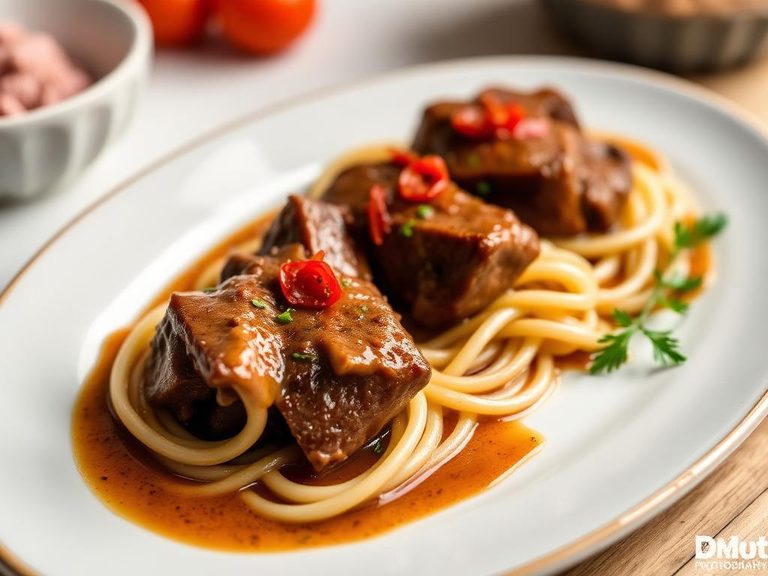
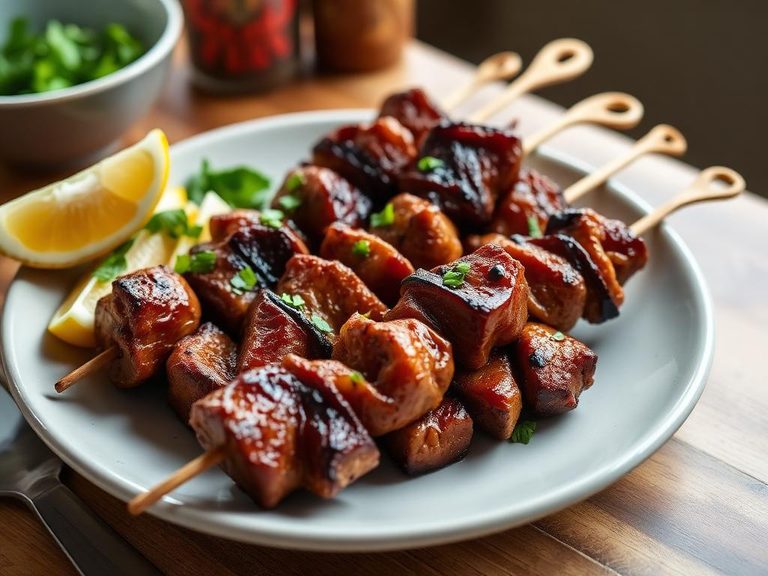
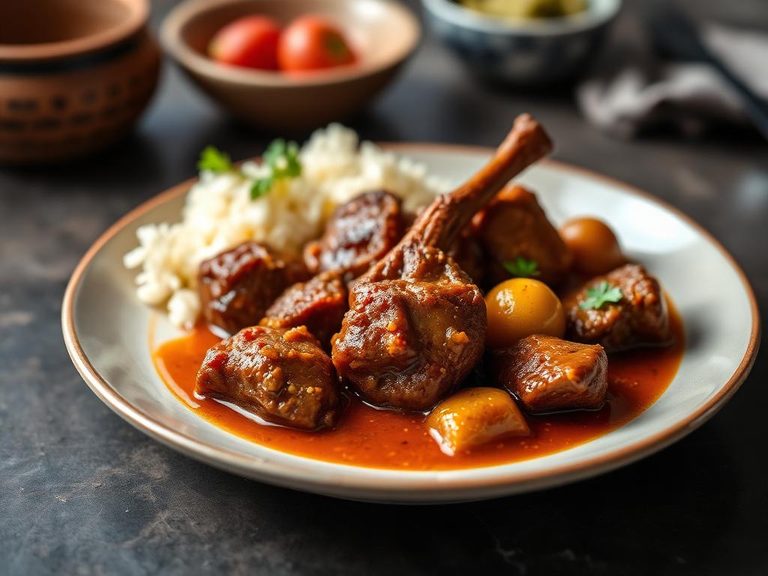
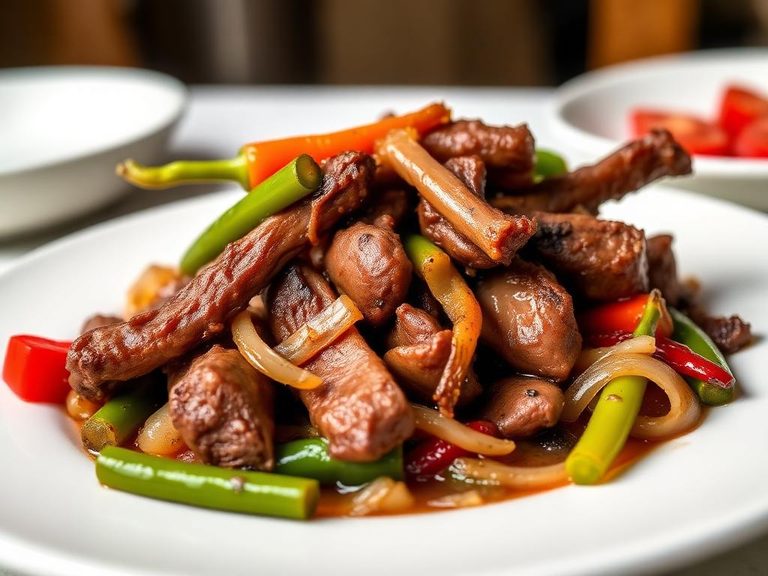
🍽️ Popular dishes
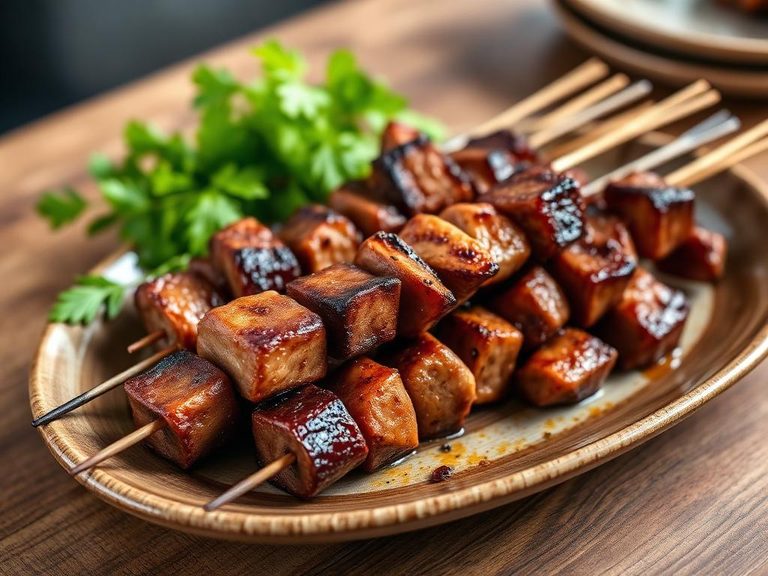
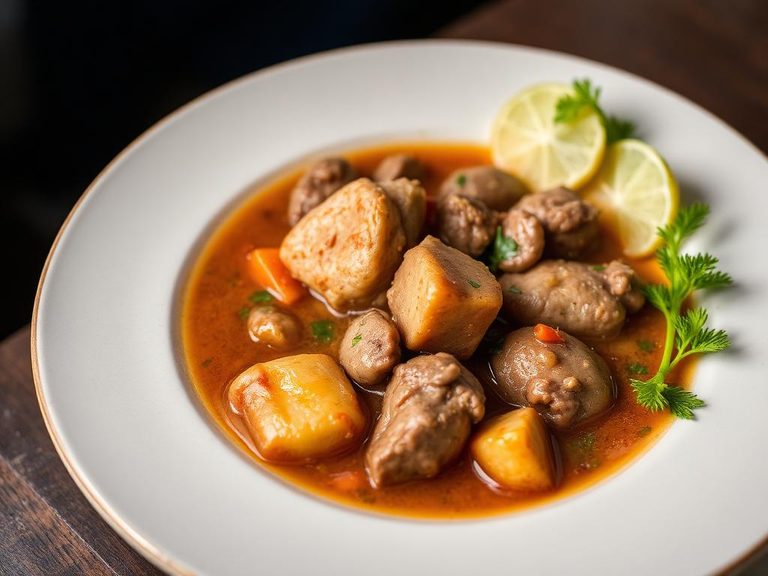
🌍 Where it's eaten
💡 Did you know?
Lamb spleen acts as a natural blood filter in the animal's body, which is why it's exceptionally rich in iron and was historically consumed to 'replenish the blood' of the ill or weary.
Full nutrition (USDA data · scales with serving)
| Water | 78.2 g |
| Energy | 101 kcal |
| Energy | 423 kj |
| Protein | 17.2 g |
| Total lipid (fat) | 3.1 g |
| Ash | 1.3 g |
| Carbohydrate, by difference | 0.00 g |
| Fiber, total dietary | 0.00 g |
| Calcium, Ca | 9.0 mg |
| Iron, Fe | 41.9 mg |
| Magnesium, Mg | 21.0 mg |
| Phosphorus, P | 280 mg |
| Potassium, K | 358 mg |
| Sodium, Na | 84.0 mg |
| Zinc, Zn | 2.8 mg |
| Copper, Cu | 0.12 mg |
| Manganese, Mn | 0.05 mg |
| Selenium, Se | 32.4 ug |
| Vitamin C, total ascorbic acid | 23.0 mg |
| Thiamin | 0.05 mg |
| Riboflavin | 0.35 mg |
| Niacin | 7.9 mg |
| Vitamin B-6 | 0.11 mg |
| Folate, total | 4.0 ug |
| Folic acid | 0.00 ug |
| Folate, food | 4.0 ug |
| Folate, DFE | 4.0 ug |
| Vitamin B-12 | 5.3 ug |
| Vitamin A, RAE | 0.00 ug |
| Retinol | 0.00 ug |
| Vitamin A, IU | 0.00 iu |
Fat & fatty acid profile (per 100g)
| Fatty acids, total saturated | 1.0 g |
| Fatty acids, total monounsaturated | 0.81 g |
| Fatty acids, total polyunsaturated | 0.23 g |
| Cholesterol | 250 mg |
Amino acid profile (per 100g)
| Tryptophan | 0.19 g |
| Threonine | 0.70 g |
| Isoleucine | 1.1 g |
| Leucine | 1.5 g |
| Lysine | 1.3 g |
| Methionine | 0.33 g |
| Cystine | 0.22 g |
| Phenylalanine | 0.78 g |
| Tyrosine | 0.50 g |
| Valine | 1.1 g |
| Arginine | 1.1 g |
| Histidine | 0.57 g |
| Alanine | 1.1 g |
| Aspartic acid | 1.5 g |
| Glutamic acid | 2.0 g |
| Glycine | 1.1 g |
| Proline | 0.96 g |
| Serine | 0.75 g |
FAQ
How do you clean and prepare lamb spleen before cooking?
Remove any tough outer membrane or fat. Rinse it under cold water. Many recipes recommend soaking it in milk or salted water for an hour to mellow its strong flavor before cooking.
What's the best cooking method to avoid a tough texture?
Quick, high-heat methods are best. Sauté, grill, or pan-fry thin slices for just a few minutes per side. Overcooking makes it tough and chalky. It should be cooked through but still tender.
Is it safe to eat lamb spleen rare or medium-rare?
No. Organ meats like spleen should be cooked thoroughly to an internal temperature of at least 160°F (71°C) to eliminate potential bacteria or parasites, unlike some muscle meats.
Nutrient density (calculated · NRF9.3)
Nutrient Rich Foods index: beneficial nutrients (protein, fiber, vitamins, minerals) minus saturated fat, added sugar & sodium, per 100 kcal.
NRF9.3 index — Fulgoni, Keast & Drewnowski, 2009. Computed from USDA nutrients.
Weight-loss friendliness (composite index)
Energy density 1.01 kcal/g · 68% calories from protein · 0.0 g fiber · 0.0 g sugar per 100 g.
Composite of energy density (Rolls et al., 1999), protein & fiber satiety, minus sugar. A calculated heuristic — ranks satiety-per-calorie, not a clinical measure.
Dietary load (calculated from USDA values)
Potential renal acid load. Positive = acid-forming, negative = alkaline-forming.
Sodium-to-potassium ratio: 0.23 (lower is better — aim for ≤ 1)
Sodium:potassium per WHO potassium guidance. Computed from USDA nutrients.