

Game meat, muskrat, raw
Whole food · Lamb, Veal, and Game Products

Photo: Wikipedia
Muskrat is a lean, dark game meat with a rich, slightly sweet flavor reminiscent of rabbit or dark poultry, and a firm, dense texture that holds up well in slow-cooked dishes. With 20.76g of protein and zero carbs per 100g, it's a high-protein, low-fat option prized by foragers and traditional cooks. Its distinctive, earthy taste makes it a unique addition to stews, roasts, and cured preparations.
Calorie split: 53% protein · 0% carbs · 47% fat
↓ Full nutrition💚 Why it's loved
People love muskrat for its unique, rich flavor that's often described as a cross between rabbit and dark chicken, making it a prized ingredient in traditional regional cuisines. Its versatility in slow-cooked stews, smoky preparations, and cured dishes gives it a cult following among foragers and adventurous eaters.
⚠️ Watch-outs & how to enjoy it better
Muskrat can have a strong, gamey flavor that some find off-putting, and its lean nature means it can become dry if overcooked. To counteract this, braise or slow-cook it in liquid (like a stew or braise) to keep it tender, and pair it with rich, fatty ingredients like butter, cream, or bacon to balance its lean profile.
Key benefits
- Extremely high in protein with zero carbohydrates
- Very low in fat compared to other game meats
- Rich in iron and B vitamins for energy metabolism
- Sustainable and lean protein source from wetland ecosystems
🍽️ Popular dishes
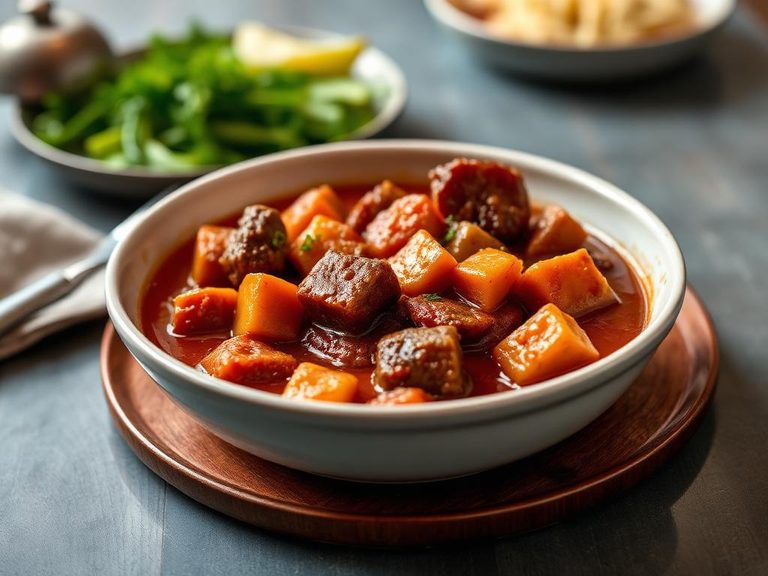
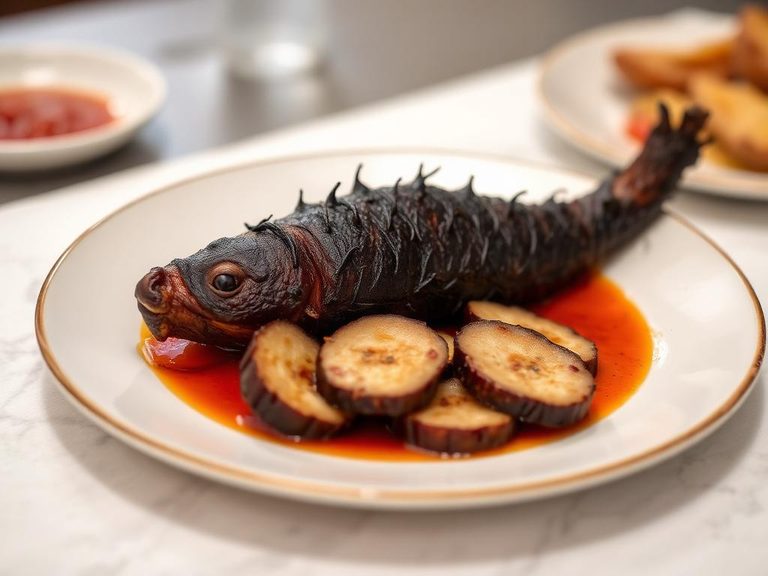
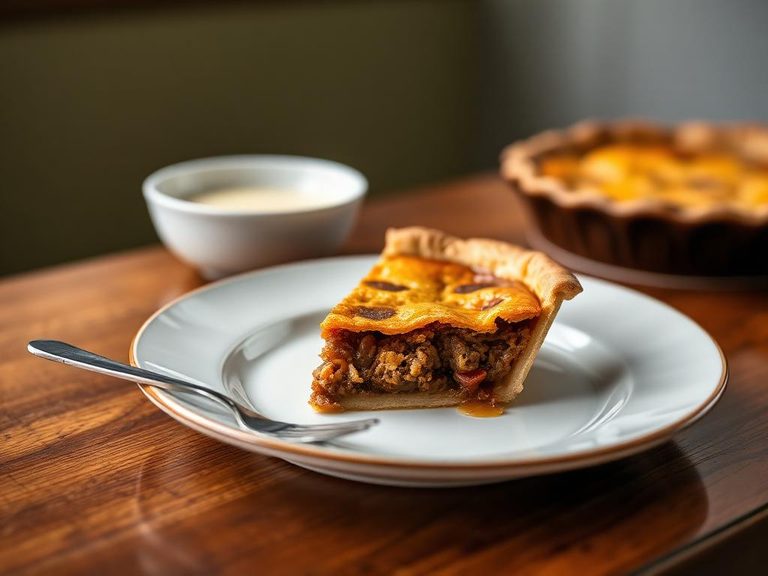
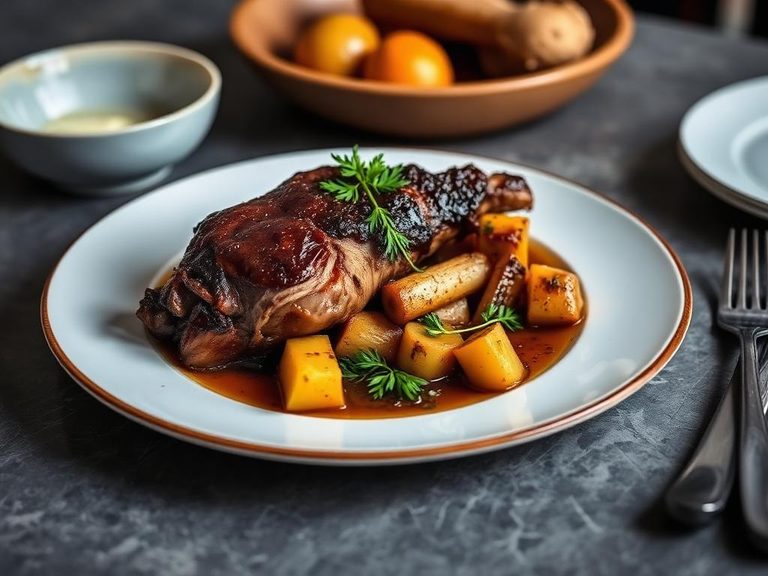
🌍 Where it's eaten
💡 Did you know?
Muskrat meat was historically considered a delicacy in parts of the American Midwest and Canada, often served at community gatherings and holiday feasts, particularly during Lent when it was classified as 'fish' by some Catholic communities to allow consumption during fasting periods.
Full nutrition (USDA data · scales with serving)
| Water | 69.3 g |
| Energy | 162 kcal |
| Energy | 678 kj |
| Protein | 20.8 g |
| Total lipid (fat) | 8.1 g |
| Ash | 1.2 g |
| Carbohydrate, by difference | 0.00 g |
| Fiber, total dietary | 0.00 g |
| Calcium, Ca | 25.0 mg |
| Magnesium, Mg | 22.0 mg |
| Phosphorus, P | 220 mg |
| Potassium, K | 276 mg |
| Sodium, Na | 82.0 mg |
| Selenium, Se | 9.1 ug |
| Vitamin C, total ascorbic acid | 5.0 mg |
| Thiamin | 0.09 mg |
| Riboflavin | 0.52 mg |
| Niacin | 6.2 mg |
| Vitamin A, RAE | 0.00 ug |
| Retinol | 0.00 ug |
| Vitamin A, IU | 0.00 iu |
Fat & fatty acid profile (per 100g)
Estimated from Game meat, deer, cooked, roasted — USDA does not publish this profile for Game meat.
| Fatty acids, total saturated | 1.3 g |
| SFA 10:0 | 0.00 g |
| SFA 12:0 | 0.00 g |
| SFA 14:0 | 0.03 g |
| SFA 16:0 | 0.54 g |
| SFA 18:0 | 0.67 g |
| Fatty acids, total monounsaturated | 0.88 g |
| MUFA 16:1 | 0.04 g |
| MUFA 18:1 | 0.83 g |
| MUFA 20:1 | 0.00 g |
| Fatty acids, total polyunsaturated | 0.62 g |
| PUFA 18:2 | 0.40 g |
| PUFA 18:3 | 0.09 g |
| PUFA 20:4 | 0.13 g |
| Cholesterol | 112 mg |
Amino acid profile (per 100g)
| Threonine | 0.85 g |
| Isoleucine | 0.79 g |
| Leucine | 1.6 g |
| Lysine | 1.6 g |
| Methionine | 0.34 g |
| Phenylalanine | 0.86 g |
| Tyrosine | 0.57 g |
| Valine | 0.92 g |
| Arginine | 1.00 g |
| Histidine | 0.62 g |
| Alanine | 1.1 g |
| Aspartic acid | 1.8 g |
| Glutamic acid | 2.6 g |
| Glycine | 1.0 g |
| Proline | 0.83 g |
| Serine | 0.74 g |
FAQ
What does muskrat taste like?
Muskrat has a rich, slightly sweet, and earthy flavor often compared to rabbit or dark chicken, with a firm, dense texture that holds up well in slow-cooked dishes.
Is muskrat safe to eat?
Yes, muskrat is safe to eat when properly cleaned, cooked to an internal temperature of 165°F (74°C), and sourced from clean wetland areas to avoid contaminants.
How do I cook muskrat?
Muskrat is best slow-cooked in stews, braises, or smoked to keep it tender. Marinate it first to reduce gamey flavor, and cook with rich ingredients like bacon or cream to balance its leanness.
Nutrient density (calculated · NRF9.3)
Nutrient Rich Foods index: beneficial nutrients (protein, fiber, vitamins, minerals) minus saturated fat, added sugar & sodium, per 100 kcal.
NRF9.3 index — Fulgoni, Keast & Drewnowski, 2009. Computed from USDA nutrients.
Weight-loss friendliness (composite index)
Energy density 1.62 kcal/g · 51% calories from protein · 0.0 g fiber · 0.0 g sugar per 100 g.
Composite of energy density (Rolls et al., 1999), protein & fiber satiety, minus sugar. A calculated heuristic — ranks satiety-per-calorie, not a clinical measure.
Dietary load (calculated from USDA values)
Potential renal acid load. Positive = acid-forming, negative = alkaline-forming.
Sodium-to-potassium ratio: 0.30 (lower is better — aim for ≤ 1)
Sodium:potassium per WHO potassium guidance. Computed from USDA nutrients.