

Muskrat Stew
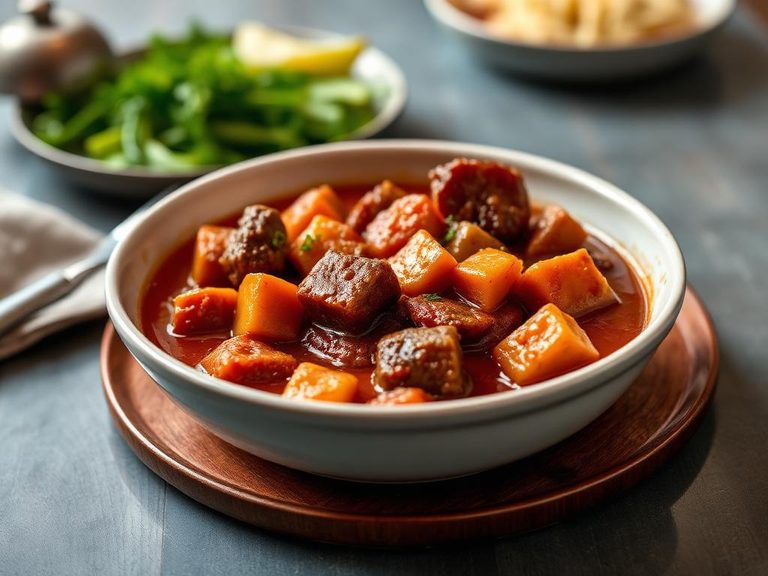
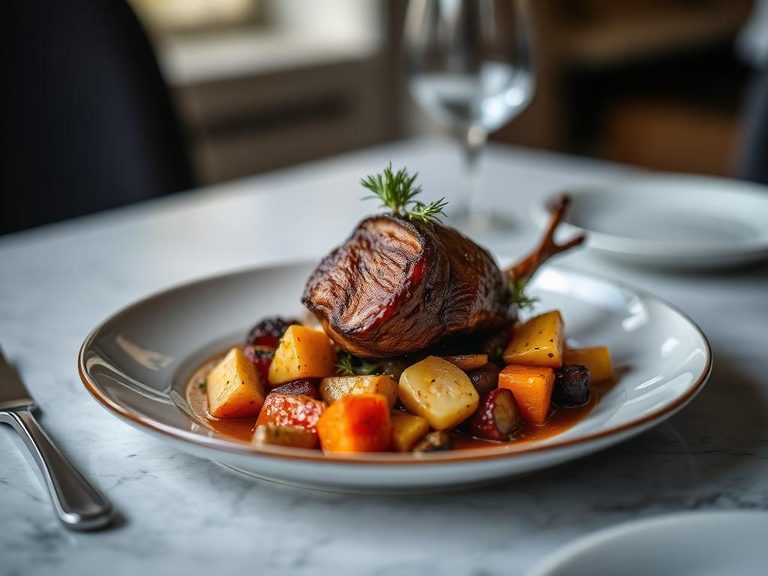
Muskrat stew is a traditional North American dish, particularly popular in rural and frontier regions like the Great Lakes and Appalachian areas. It features slow-cooked muskrat meat, typically braised with root vegetables like potatoes, carrots, and onions, and often seasoned with herbs and sometimes a splash of vinegar or wine to tenderize the lean meat.
🍽️ Nutrition at a glance
This stew is high in protein and relatively low in carbohydrates, with a moderate amount of fat depending on the cut and cooking method. A serving provides key nutrients like iron, zinc, and B vitamins, with a rough calorie estimate of 250-350 kcal per cup.
Nutrition breakdown
| Calories | 300 kcal |
| Protein | 28 g |
| Carbs | 15 g |
| Fat | 14 g |
| Fiber | 3 g |
| Sugar | 4 g |
| Sodium | 480 mg |
| Iron | 3.2 mg |
| Zinc | 5.1 mg |
| Potassium | 450 mg |
| Phosphorus | 220 mg |
| Vitamin B12 | 2.5 mcg |
| Niacin (B3) | 6.8 mg |
| Selenium | 18 mcg |
| Omega-3 Fatty Acids | 0.3 g |
Per 1 cup (240 g) · estimated, varies by recipe
💡 What's interesting
Muskrat stew is a classic example of 'wild game' cooking, reflecting a cultural tradition of utilizing local, foraged ingredients for sustenance. Nutritionally, muskrat meat is leaner than many domestic meats and is a good source of omega-3 fatty acids due to its aquatic diet.
🍽️ Related dishes
AI estimate may be inaccurate · Terms