

Fish, yellowtail, mixed species, cooked, dry heat
Whole food · Finfish and Shellfish Products
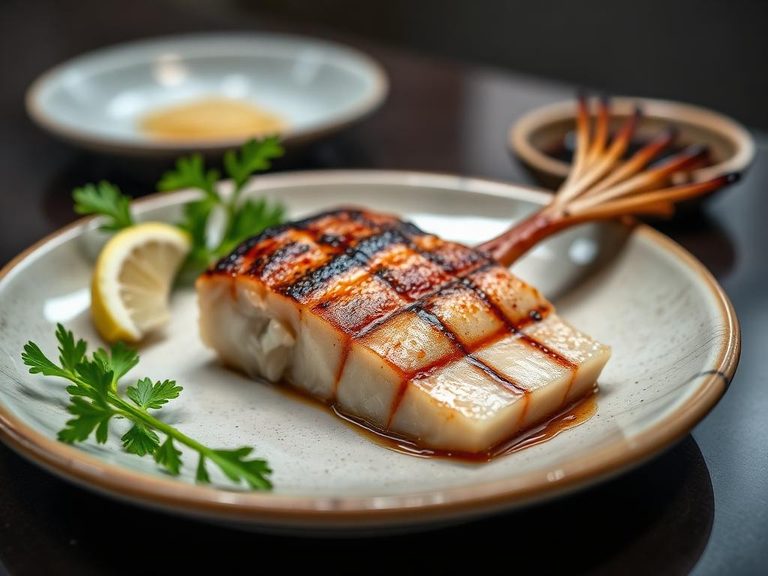
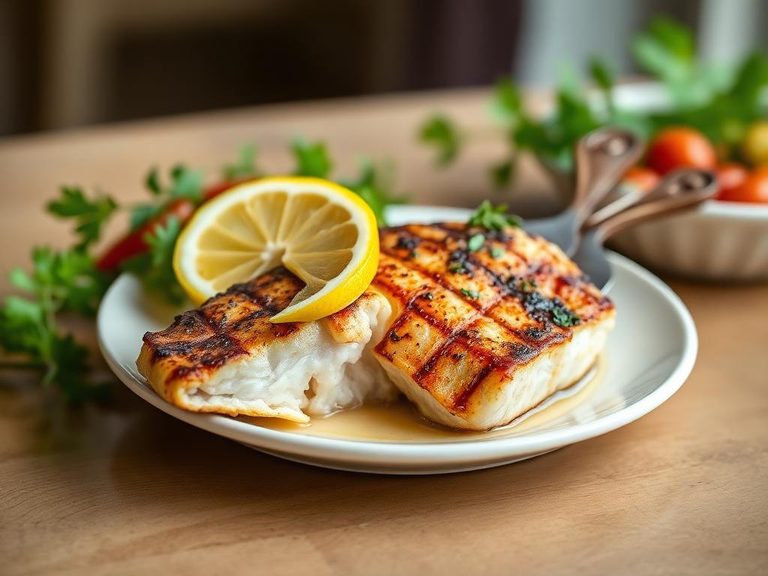
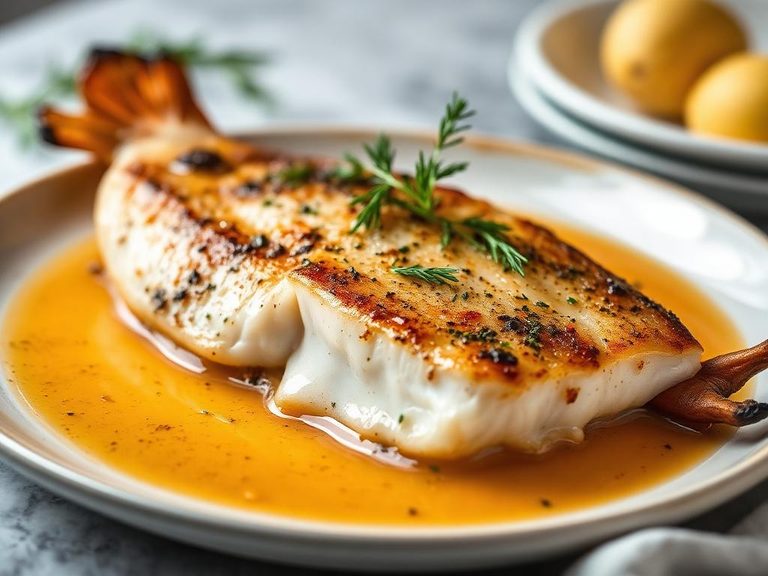
Yellowtail, cooked by dry heat, is a firm, rich, and buttery fish with a distinctive, savory flavor that intensifies when grilled or broiled. Its dense, meaty texture holds up beautifully to high heat, creating a satisfying, flaky bite without falling apart. Nutritionally, it is a protein powerhouse with nearly 30 grams of protein per 100 grams, paired with a moderate amount of healthy fats and zero carbohydrates.
Calorie split: 66% protein · 0% carbs · 34% fat
↓ Full nutrition💚 Why it's loved
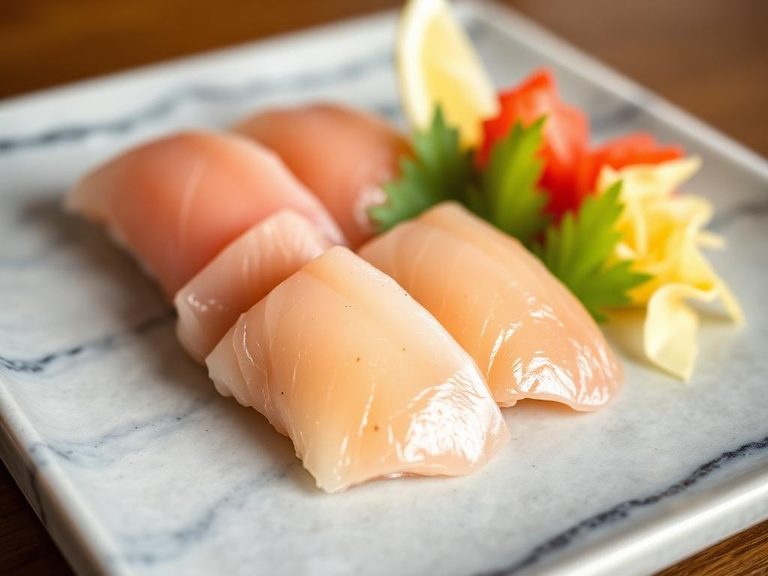
People love yellowtail for its robust, umami-rich flavor that is less 'fishy' than many other oily fish, making it a gateway for those who are hesitant about seafood. Its versatility in cooking—from simple grilling to being the star of sushi—makes it a beloved choice in many culinary traditions.
⚠️ Watch-outs & how to enjoy it better
The primary concern is its high mercury content, which can be a risk for pregnant women, nursing mothers, and young children if consumed frequently. To mitigate this, choose smaller, younger fish when possible and limit consumption to 1-2 servings per week, pairing it with antioxidant-rich vegetables like leafy greens or cruciferous veggies to support overall health.
Key benefits
- High-quality protein source for muscle maintenance and satiety
- Rich in omega-3 fatty acids, particularly EPA and DHA
- Good source of B vitamins, including niacin and B12
- Provides essential minerals like selenium and phosphorus
- Zero carbohydrates and fiber, suitable for low-carb diets
🍽️ Popular dishes
🌍 Where it's eaten
💡 Did you know?
Yellowtail is not actually a type of tuna or salmon, but a member of the jack family (Carangidae), and its name comes from the distinctive yellow stripe that runs along its sides.
Full nutrition (USDA data · scales with serving)
| Water | 67.3 g |
| Energy | 187 kcal |
| Energy | 782 kj |
| Protein | 29.7 g |
| Total lipid (fat) | 6.7 g |
| Ash | 1.4 g |
| Carbohydrate, by difference | 0.00 g |
| Fiber, total dietary | 0.00 g |
| Calcium, Ca | 29.0 mg |
| Iron, Fe | 0.63 mg |
| Magnesium, Mg | 38.0 mg |
| Phosphorus, P | 201 mg |
| Potassium, K | 538 mg |
| Sodium, Na | 50.0 mg |
| Zinc, Zn | 0.67 mg |
| Copper, Cu | 0.06 mg |
| Manganese, Mn | 0.02 mg |
| Selenium, Se | 46.8 ug |
| Vitamin C, total ascorbic acid | 2.9 mg |
| Thiamin | 0.17 mg |
| Riboflavin | 0.05 mg |
| Niacin | 8.7 mg |
| Pantothenic acid | 0.68 mg |
| Vitamin B-6 | 0.18 mg |
| Folate, total | 4.0 ug |
| Folic acid | 0.00 ug |
| Folate, food | 4.0 ug |
| Folate, DFE | 4.0 ug |
| Vitamin B-12 | 1.3 ug |
| Vitamin A, RAE | 31.0 ug |
| Retinol | 31.0 ug |
| Vitamin A, IU | 104 iu |
Fat & fatty acid profile (per 100g)
| Cholesterol | 71.0 mg |
Amino acid profile (per 100g)
| Tryptophan | 0.33 g |
| Threonine | 1.3 g |
| Isoleucine | 1.4 g |
| Leucine | 2.4 g |
| Lysine | 2.7 g |
| Methionine | 0.88 g |
| Cystine | 0.32 g |
| Phenylalanine | 1.2 g |
| Tyrosine | 1.0 g |
| Valine | 1.5 g |
| Arginine | 1.8 g |
| Histidine | 0.87 g |
| Alanine | 1.8 g |
| Aspartic acid | 3.0 g |
| Glutamic acid | 4.4 g |
| Glycine | 1.4 g |
| Proline | 1.0 g |
| Serine | 1.2 g |
FAQ
Is yellowtail the same as hamachi?
Yes, 'hamachi' is the Japanese name for yellowtail, and it's commonly used in sushi and Japanese cuisine. The terms are often used interchangeably in culinary contexts.
How should I cook yellowtail to keep it moist?
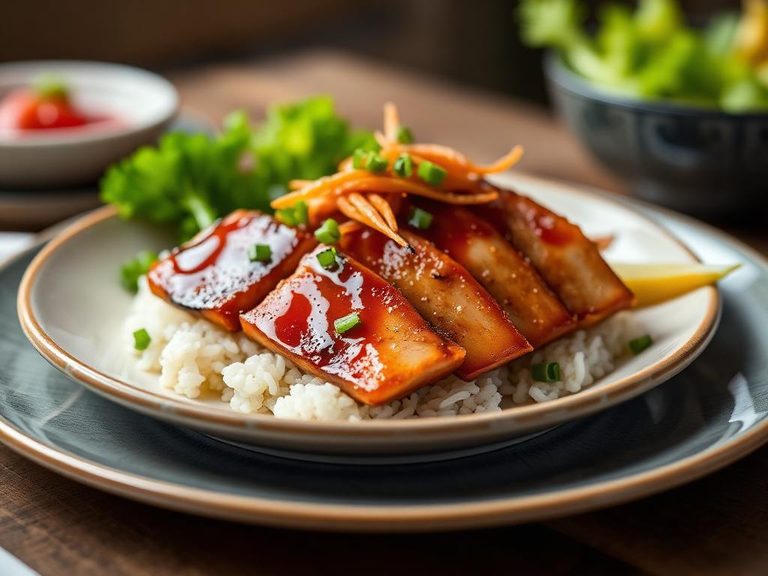
Dry-heat methods like grilling, broiling, or pan-searing work best. Cook it to an internal temperature of 145°F (63°C) and avoid overcooking, as it can become dry. Marinating briefly in citrus or soy sauce can also enhance moisture and flavor.
Can I eat yellowtail raw?
Yes, yellowtail is commonly eaten raw as sashimi or in sushi, but it must be fresh and handled properly to avoid foodborne illness. Always purchase from a reputable source and ensure it's been frozen to kill parasites, as recommended by food safety guidelines.
Nutrient density (calculated · NRF9.3)
Nutrient Rich Foods index: beneficial nutrients (protein, fiber, vitamins, minerals) minus saturated fat, added sugar & sodium, per 100 kcal.
NRF9.3 index — Fulgoni, Keast & Drewnowski, 2009. Computed from USDA nutrients.
Weight-loss friendliness (composite index)
Energy density 1.87 kcal/g · 63% calories from protein · 0.0 g fiber · 0.0 g sugar per 100 g.
Composite of energy density (Rolls et al., 1999), protein & fiber satiety, minus sugar. A calculated heuristic — ranks satiety-per-calorie, not a clinical measure.
Dietary load (calculated from USDA values)
Potential renal acid load. Positive = acid-forming, negative = alkaline-forming.
Sodium-to-potassium ratio: 0.09 (lower is better — aim for ≤ 1)
Sodium:potassium per WHO potassium guidance. Computed from USDA nutrients.