

Fish, monkfish, cooked, dry heat
Whole food · Finfish and Shellfish Products

Photo: Wikipedia
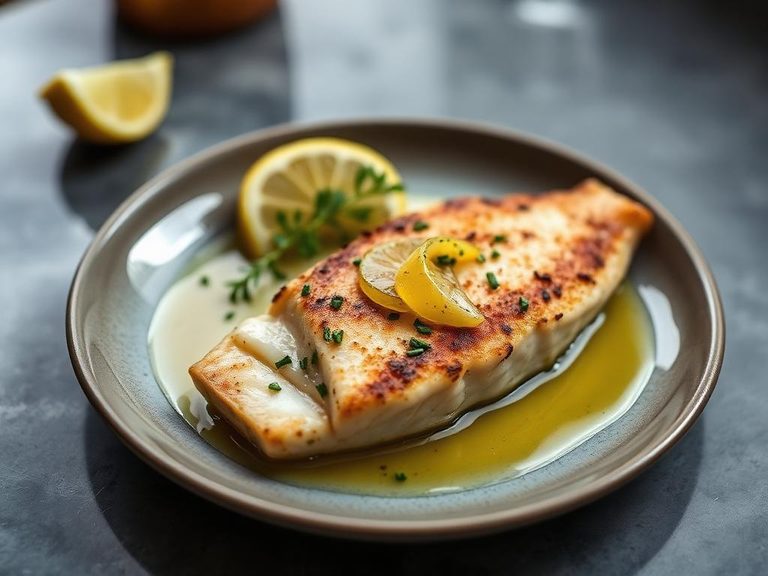
Monkfish, often called the 'poor man's lobster,' offers a firm, meaty texture and a mild, sweet flavor when cooked with dry heat. This lean white fish is a protein powerhouse, delivering an impressive 18.56 grams of protein per 100 grams with virtually no carbohydrates or fat.
Calorie split: 81% protein · 0% carbs · 19% fat
↓ Full nutrition💚 Why it's loved
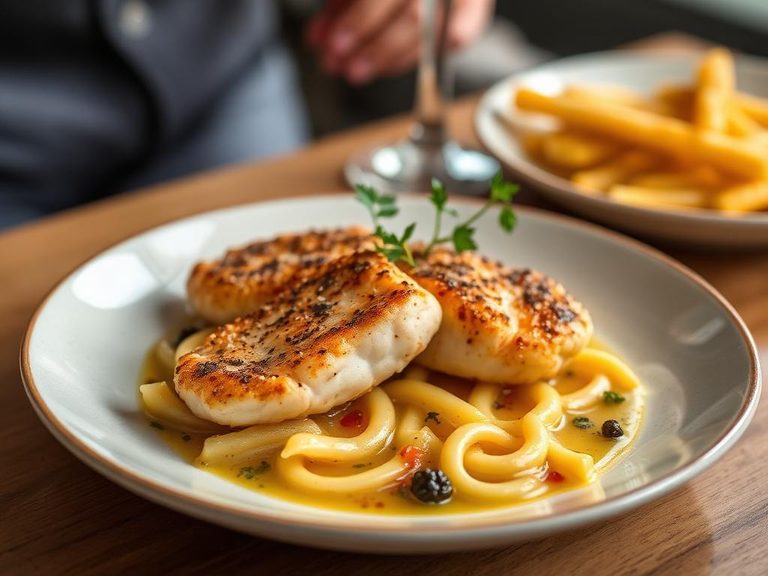
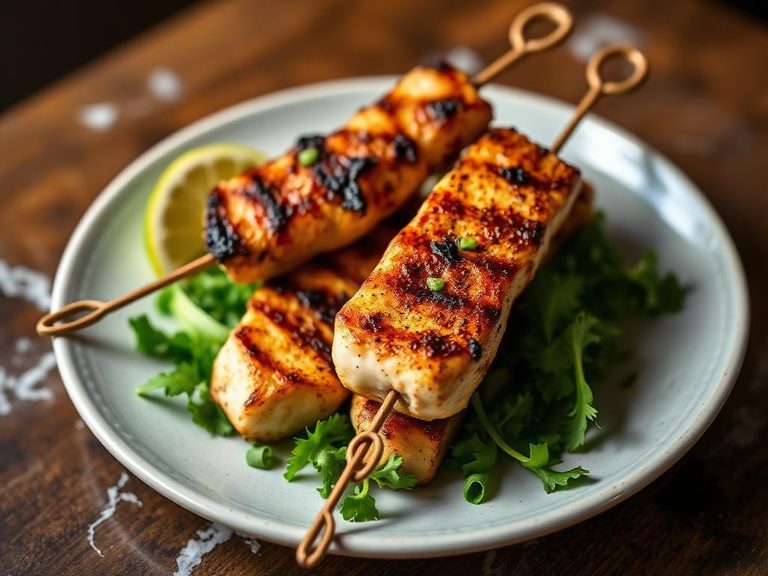
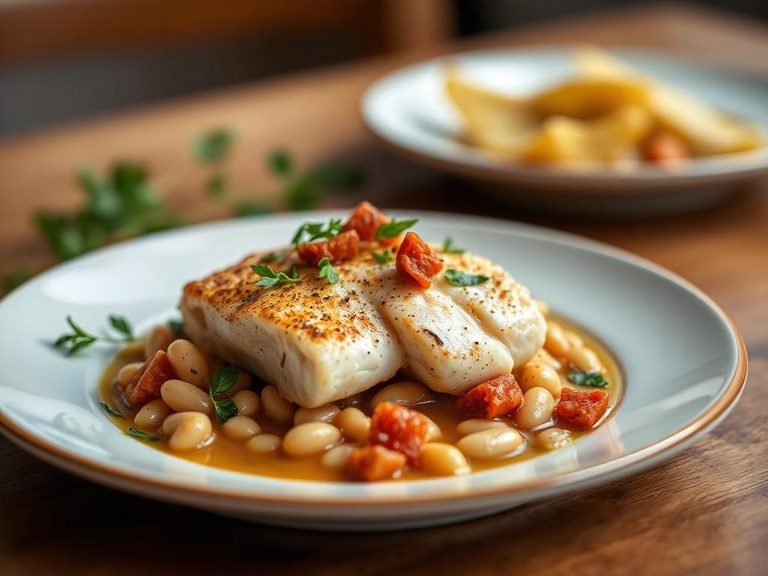
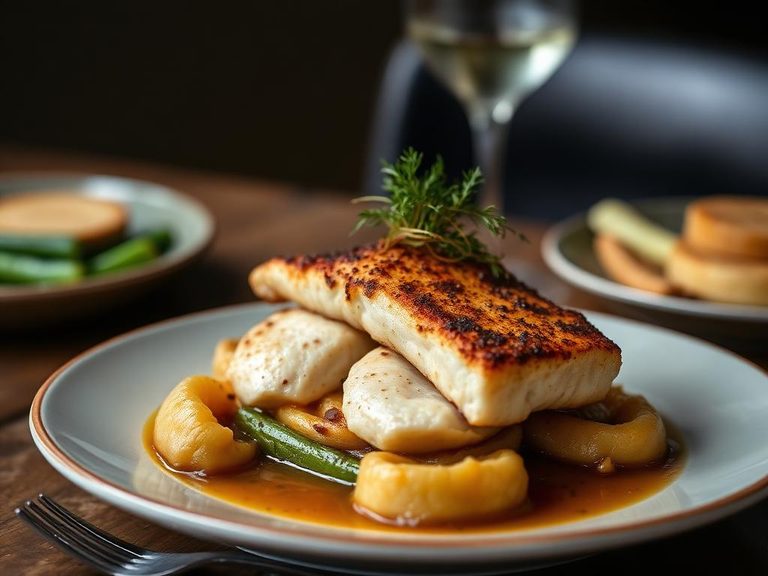
People love monkfish for its unique, lobster-like texture that holds up beautifully to grilling, roasting, and pan-searing. Its mild flavor makes it incredibly versatile, allowing it to be the star in both simple preparations and rich, complex sauces.
⚠️ Watch-outs & how to enjoy it better
While nutritious, monkfish is a common allergen for those with fish or shellfish sensitivities. Its liver contains high levels of vitamin A, which can be toxic in large quantities, so it's often sold without the liver. To counteract any potential heaviness from rich preparations, pair it with acidic elements like lemon or a crisp green salad.
Key benefits
- Excellent source of lean, complete protein
- Very low in calories and fat
- Contains important nutrients like selenium and vitamin B12
- Naturally free of carbohydrates and sugar
🍽️ Popular dishes
🌍 Where it's eaten
💡 Did you know?
Despite its name, monkfish is not a true 'fish' in the common sense; it's an anglerfish, a type of bony fish known for its fleshy dorsal spine that acts as a fishing lure.
Full nutrition (USDA data · scales with serving)
| Water | 78.5 g |
| Energy | 97.0 kcal |
| Energy | 406 kj |
| Protein | 18.6 g |
| Total lipid (fat) | 1.9 g |
| Ash | 1.6 g |
| Carbohydrate, by difference | 0.00 g |
| Fiber, total dietary | 0.00 g |
| Calcium, Ca | 10.0 mg |
| Iron, Fe | 0.41 mg |
| Magnesium, Mg | 27.0 mg |
| Phosphorus, P | 256 mg |
| Potassium, K | 513 mg |
| Sodium, Na | 23.0 mg |
| Zinc, Zn | 0.53 mg |
| Copper, Cu | 0.04 mg |
| Manganese, Mn | 0.03 mg |
| Selenium, Se | 46.8 ug |
| Vitamin C, total ascorbic acid | 1.0 mg |
| Thiamin | 0.03 mg |
| Riboflavin | 0.07 mg |
| Niacin | 2.6 mg |
| Pantothenic acid | 0.17 mg |
| Vitamin B-6 | 0.28 mg |
| Folate, total | 8.0 ug |
| Folic acid | 0.00 ug |
| Folate, food | 8.0 ug |
| Folate, DFE | 8.0 ug |
| Vitamin B-12 | 1.0 ug |
| Vitamin A, RAE | 14.0 ug |
| Retinol | 14.0 ug |
| Vitamin A, IU | 46.0 iu |
Fat & fatty acid profile (per 100g)
| Cholesterol | 32.0 mg |
Amino acid profile (per 100g)
| Tryptophan | 0.21 g |
| Threonine | 0.81 g |
| Isoleucine | 0.85 g |
| Leucine | 1.5 g |
| Lysine | 1.7 g |
| Methionine | 0.55 g |
| Cystine | 0.20 g |
| Phenylalanine | 0.72 g |
| Tyrosine | 0.63 g |
| Valine | 0.96 g |
| Arginine | 1.1 g |
| Histidine | 0.55 g |
| Alanine | 1.1 g |
| Aspartic acid | 1.9 g |
| Glutamic acid | 2.8 g |
| Glycine | 0.89 g |
| Proline | 0.66 g |
| Serine | 0.76 g |
FAQ
Why is it called 'poor man's lobster'?
The name comes from its firm, meaty texture and mild, sweet flavor when cooked, which closely resembles lobster tail at a fraction of the cost.
Is monkfish healthy?
Yes, it's an excellent source of lean protein and low in calories and fat. It's also a good source of selenium and vitamin B12, making it a nutritious choice.
How do you cook monkfish?
Monkfish is very versatile. It can be grilled, pan-seared, roasted, or poached. Its firm texture means it holds up well to bold flavors and doesn't fall apart easily during cooking.
Nutrient density (calculated · NRF9.3)
Nutrient Rich Foods index: beneficial nutrients (protein, fiber, vitamins, minerals) minus saturated fat, added sugar & sodium, per 100 kcal.
NRF9.3 index — Fulgoni, Keast & Drewnowski, 2009. Computed from USDA nutrients.
Weight-loss friendliness (composite index)
Energy density 0.97 kcal/g · 77% calories from protein · 0.0 g fiber · 0.0 g sugar per 100 g.
Composite of energy density (Rolls et al., 1999), protein & fiber satiety, minus sugar. A calculated heuristic — ranks satiety-per-calorie, not a clinical measure.
Dietary load (calculated from USDA values)
Potential renal acid load. Positive = acid-forming, negative = alkaline-forming.
Sodium-to-potassium ratio: 0.04 (lower is better — aim for ≤ 1)
Sodium:potassium per WHO potassium guidance. Computed from USDA nutrients.