

Energy drink (Rockstar)
Common food

Photo: Wikipedia
Rockstar Energy Drink is a carbonated, sweetened beverage designed for a quick energy boost, often with a fruity or citrus flavor profile. Its nutrition is dominated by simple sugars, providing a rapid spike in calories and carbohydrates with virtually no protein, fat, or fiber. A standard 100g serving delivers about 58 kcal and over 12g of sugar, making it a source of fast-acting, but short-lived, energy.
Calorie split: 3% protein · 94% carbs · 4% fat
↓ Full nutrition💚 Why it's loved
People love it for the immediate, palpable surge of alertness and the wide array of bold, often sweet and tangy flavors. It has become a cultural staple in gaming, extreme sports, and late-night work sessions as a go-to fuel for pushing through fatigue.
⚠️ Watch-outs & how to enjoy it better
The high sugar content can lead to a rapid blood-sugar spike followed by a crash, potentially increasing hunger and lethargy. It is also high in caffeine and may contain artificial sweeteners or additives that some prefer to avoid. To counteract the sugar spike, consider pairing it with a source of protein or healthy fat, or choosing a zero-sugar version, and always practice portion control by not consuming it on an empty stomach.
Key benefits
- Provides a quick source of calories and carbohydrates for immediate energy.
- Contains caffeine, a known stimulant that can enhance alertness and focus.
- Often fortified with B-vitamins, which play a role in energy metabolism.
- Convenient, ready-to-drink format for on-the-go consumption.
- Wide variety of flavors to suit different taste preferences.
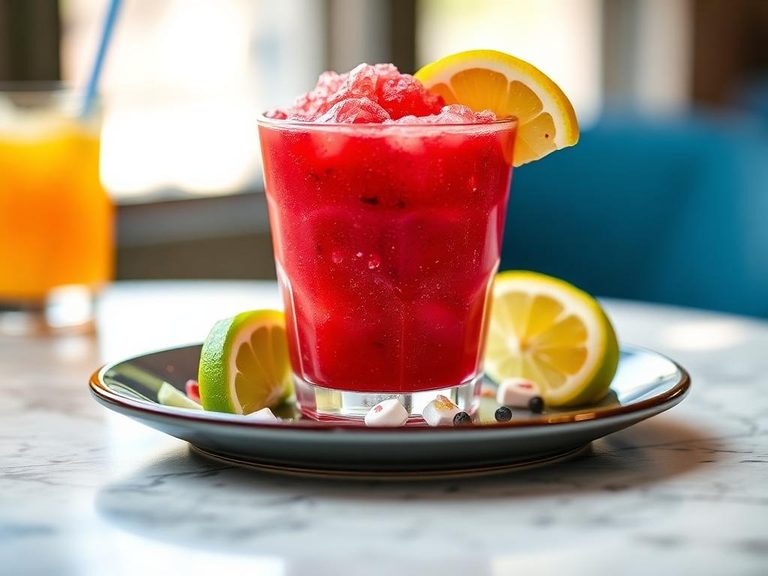
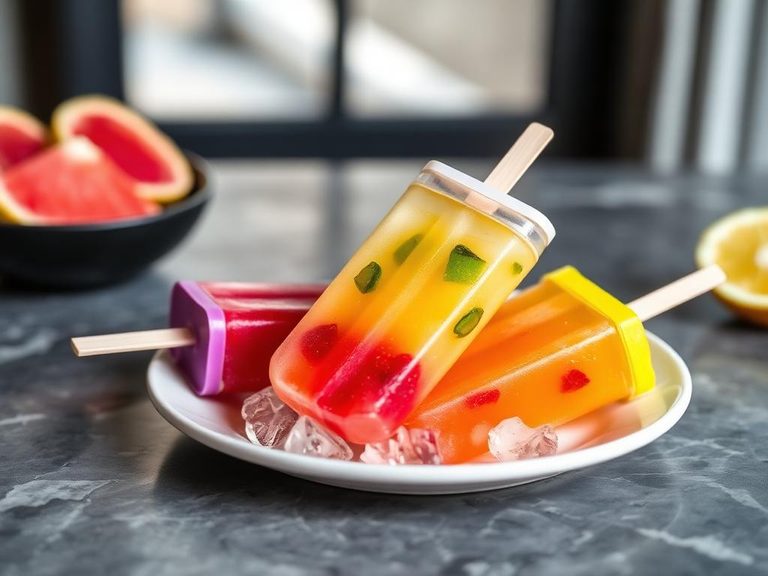
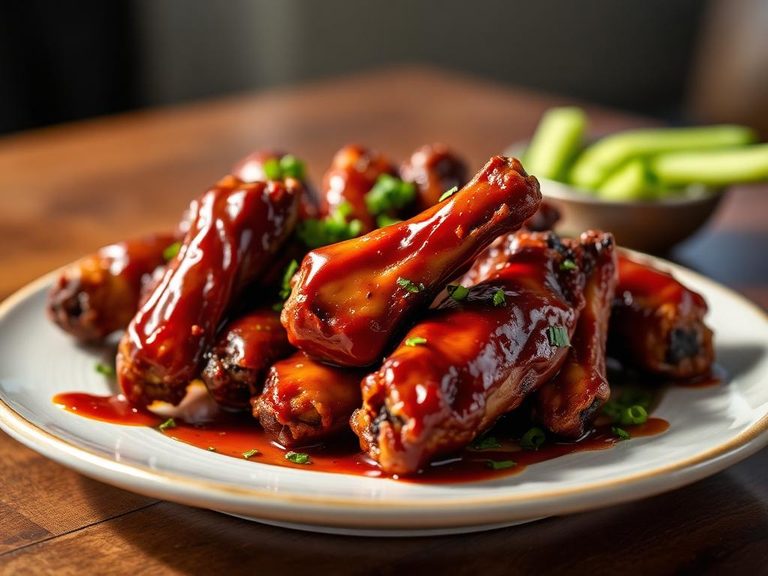
🍽️ Popular dishes



🌍 Where it's eaten
💡 Did you know?
The original Rockstar Energy Drink was launched in 2001 with a 'party all night' ethos, and its early marketing heavily featured rock musicians and extreme sports athletes.
Full nutrition (USDA data · scales with serving)
| Water | 87.1 g |
| Energy | 58.0 kcal |
| Protein | 0.34 g |
| Total lipid (fat) | 0.22 g |
| Carbohydrate, by difference | 12.7 g |
| Fiber, total dietary | 0.00 g |
| Total Sugars | 12.3 g |
| Calcium, Ca | 1.0 mg |
| Iron, Fe | 0.05 mg |
| Magnesium, Mg | 0.00 mg |
| Phosphorus, P | 0.00 mg |
| Potassium, K | 6.0 mg |
| Sodium, Na | 16.0 mg |
| Zinc, Zn | 0.05 mg |
| Copper, Cu | 0.00 mg |
| Selenium, Se | 0.00 ug |
| Vitamin C, total ascorbic acid | 0.00 mg |
| Thiamin | 0.00 mg |
| Riboflavin | 1.6 mg |
| Niacin | 9.8 mg |
| Vitamin B-6 | 1.4 mg |
| Folate, total | 0.00 ug |
| Folic acid | 0.00 ug |
| Folate, food | 0.00 ug |
| Folate, DFE | 0.00 ug |
| Choline, total | 0.30 mg |
| Vitamin B-12 | 3.8 ug |
| Vitamin B-12, added | 3.8 ug |
| Vitamin A, RAE | 0.00 ug |
| Retinol | 0.00 ug |
| Carotene, beta | 0.00 ug |
| Carotene, alpha | 0.00 ug |
| Cryptoxanthin, beta | 0.00 ug |
| Lycopene | 0.00 ug |
| Lutein + zeaxanthin | 0.00 ug |
| Vitamin E (alpha-tocopherol) | 0.00 mg |
| Vitamin E, added | 0.00 mg |
| Vitamin D (D2 + D3) | 0.00 ug |
| Vitamin K (phylloquinone) | 0.00 ug |
| Alcohol, ethyl | 0.00 g |
| Caffeine | 33.0 mg |
| Theobromine | 0.00 mg |
Fat & fatty acid profile (per 100g)
| Fatty acids, total saturated | 0.00 g |
| SFA 4:0 | 0.00 g |
| SFA 6:0 | 0.00 g |
| SFA 8:0 | 0.00 g |
| SFA 10:0 | 0.00 g |
| SFA 12:0 | 0.00 g |
| SFA 14:0 | 0.00 g |
| SFA 16:0 | 0.00 g |
| SFA 18:0 | 0.00 g |
| Fatty acids, total monounsaturated | 0.00 g |
| MUFA 16:1 | 0.00 g |
| MUFA 18:1 | 0.00 g |
| MUFA 20:1 | 0.00 g |
| MUFA 22:1 | 0.00 g |
| Fatty acids, total polyunsaturated | 0.00 g |
| PUFA 18:2 | 0.00 g |
| PUFA 18:3 | 0.00 g |
| PUFA 18:4 | 0.00 g |
| PUFA 20:4 | 0.00 g |
| PUFA 20:5 n-3 (EPA) | 0.00 g |
| PUFA 22:5 n-3 (DPA) | 0.00 g |
| PUFA 22:6 n-3 (DHA) | 0.00 g |
| Cholesterol | 0.00 mg |
FAQ
How much caffeine is in a typical Rockstar Energy Drink?
Caffeine content varies by product line, but a standard 16 oz (473ml) can often contains around 160mg, which is roughly equivalent to two cups of coffee.
Is Rockstar Energy Drink suitable for vegans?
Most Rockstar products are considered vegan as they do not contain animal-derived ingredients. However, it's always best to check the label for specific formulations, as some may contain taurine (synthetically produced) or vitamin D3 (sometimes from lanolin).
Can I mix Rockstar with alcohol?
While common in some social settings, mixing energy drinks with alcohol is strongly discouraged by health experts. The stimulant effects of caffeine can mask the depressant effects of alcohol, leading to increased risk-taking and a higher likelihood of alcohol poisoning.
Nutrient density (calculated · NRF9.3)
Nutrient Rich Foods index: beneficial nutrients (protein, fiber, vitamins, minerals) minus saturated fat, added sugar & sodium, per 100 kcal.
NRF9.3 index — Fulgoni, Keast & Drewnowski, 2009. Computed from USDA nutrients.
Weight-loss friendliness (composite index)
Energy density 0.58 kcal/g · 2% calories from protein · 0.0 g fiber · 12.3 g sugar per 100 g.
Composite of energy density (Rolls et al., 1999), protein & fiber satiety, minus sugar. A calculated heuristic — ranks satiety-per-calorie, not a clinical measure.
Dietary load (calculated from USDA values)
Potential renal acid load. Positive = acid-forming, negative = alkaline-forming.
Sodium-to-potassium ratio: 2.67 (lower is better — aim for ≤ 1)
Sodium:potassium per WHO potassium guidance. Computed from USDA nutrients.