

Dock, cooked, boiled, drained, without salt
Whole food · Vegetables and Vegetable Products

Photo: Wikipedia
Cooked dock, a leafy green from the buckwheat family, offers a pleasantly sour, slightly tangy flavor with a tender, spinach-like texture when boiled. It is an exceptionally low-calorie food, providing a good source of dietary fiber and plant-based protein for its modest energy content. This wild or cultivated green is a nutritious addition to soups, stews, and sautés, bringing a unique, earthy zesty note.
Calorie split: 30% protein · 47% carbs · 23% fat
↓ Full nutrition💚 Why it's loved
People appreciate dock for its distinctive, pleasantly sour and lemony flavor that adds a bright, tangy dimension to dishes, much like sorrel. It's a versatile wild edible, valued in foraging cultures for its ability to be used in soups, salads, and as a cooked green, offering a unique taste that stands out from milder greens.
⚠️ Watch-outs & how to enjoy it better
The oxalic acid in dock can bind to calcium, potentially reducing its absorption and contributing to kidney stone formation in susceptible individuals. To mitigate this, always cook dock thoroughly (boiling and draining) to reduce oxalate content, and avoid consuming it in very large quantities. Pairing it with calcium-rich foods like dairy or fortified alternatives can also help balance mineral absorption.
Key benefits
- Very low in calories (20 kcal per 100g).
- Good source of dietary fiber (2.6g per 100g).
- Provides plant-based protein (1.83g per 100g).
- Naturally low in fat and sugar.
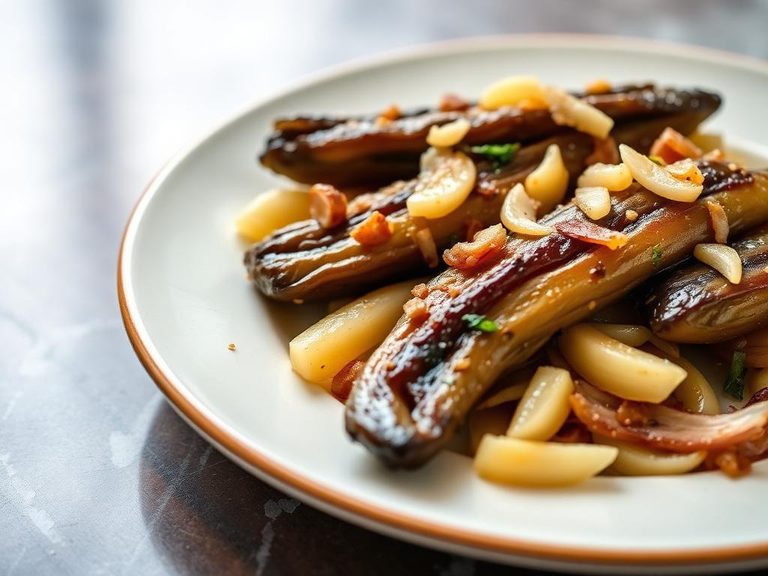
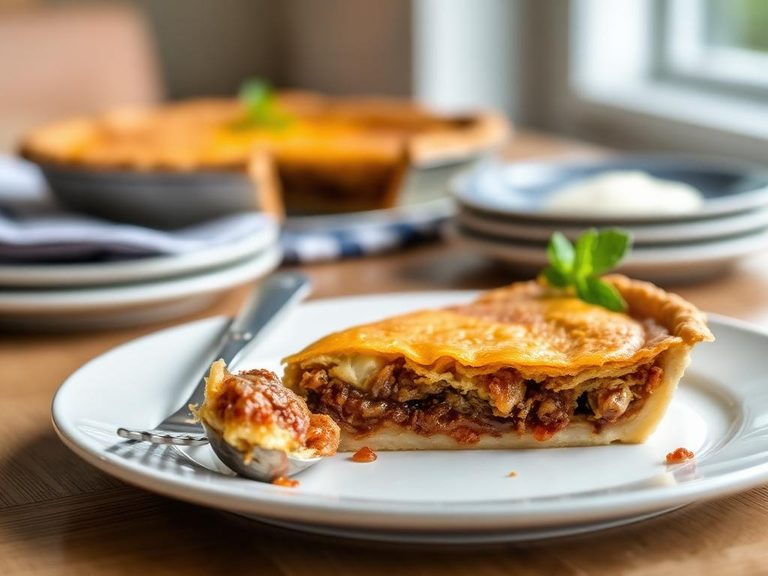
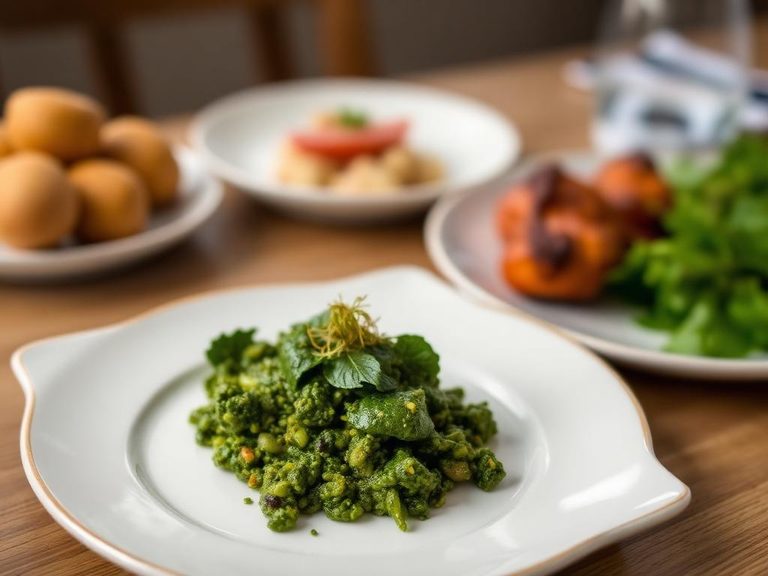
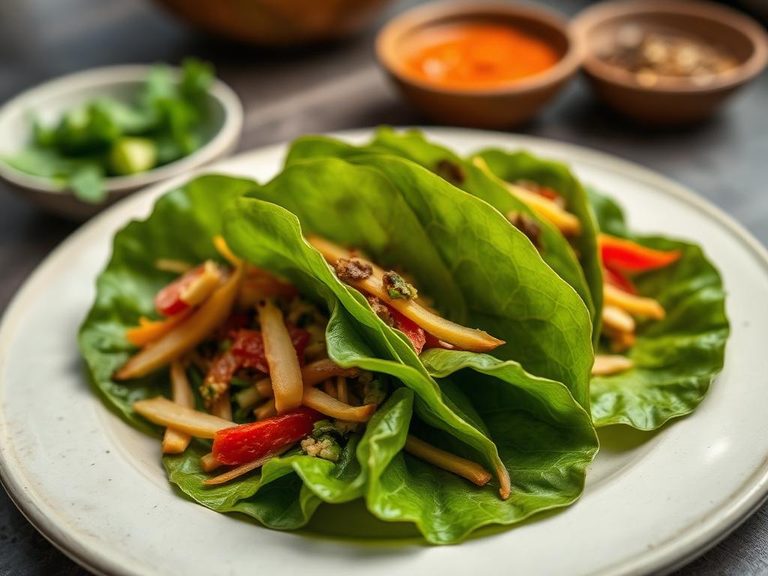
🍽️ Popular dishes


🌍 Where it's eaten
💡 Did you know?
The leaves of young dock plants are a traditional folk remedy for soothing the sting of nettles, as the juice contains compounds that can help neutralize the irritation.
Full nutrition (USDA data · scales with serving)
| Water | 93.6 g |
| Energy | 20.0 kcal |
| Energy | 84.0 kj |
| Protein | 1.8 g |
| Total lipid (fat) | 0.64 g |
| Ash | 1.0 g |
| Carbohydrate, by difference | 2.9 g |
| Fiber, total dietary | 2.6 g |
| Calcium, Ca | 38.0 mg |
| Iron, Fe | 2.1 mg |
| Magnesium, Mg | 89.0 mg |
| Phosphorus, P | 52.0 mg |
| Potassium, K | 321 mg |
| Sodium, Na | 3.0 mg |
| Zinc, Zn | 0.17 mg |
| Copper, Cu | 0.11 mg |
| Manganese, Mn | 0.30 mg |
| Selenium, Se | 0.90 ug |
| Vitamin C, total ascorbic acid | 26.3 mg |
| Thiamin | 0.03 mg |
| Riboflavin | 0.09 mg |
| Niacin | 0.41 mg |
| Pantothenic acid | 0.04 mg |
| Vitamin B-6 | 0.10 mg |
| Folate, total | 8.0 ug |
| Folic acid | 0.00 ug |
| Folate, food | 8.0 ug |
| Folate, DFE | 8.0 ug |
| Vitamin B-12 | 0.00 ug |
| Vitamin A, RAE | 174 ug |
| Retinol | 0.00 ug |
| Vitamin A, IU | 3474 iu |
| Vitamin D (D2 + D3), International Units | 0.00 iu |
| Vitamin D (D2 + D3) | 0.00 ug |
Fat & fatty acid profile (per 100g)
| Fatty acids, total trans | 0.00 g |
| Cholesterol | 0.00 mg |
Amino acid profile (per 100g)
| Threonine | 0.09 g |
| Isoleucine | 0.09 g |
| Leucine | 0.15 g |
| Lysine | 0.10 g |
| Methionine | 0.03 g |
| Phenylalanine | 0.10 g |
| Tyrosine | 0.07 g |
| Valine | 0.12 g |
| Arginine | 0.10 g |
| Histidine | 0.05 g |
| Alanine | 0.12 g |
| Aspartic acid | 0.17 g |
| Glutamic acid | 0.20 g |
| Glycine | 0.10 g |
| Proline | 0.11 g |
| Serine | 0.07 g |
FAQ
What does cooked dock taste like?
Cooked dock has a tangy, slightly sour, and earthy flavor, reminiscent of sorrel or lemon. Its texture when boiled is tender and similar to spinach.
Is dock nutritious?
Yes, it is very low in calories but provides a good amount of dietary fiber and plant-based protein, along with vitamins and minerals like iron and vitamin A.
How do I reduce the oxalic acid in dock?
Boiling dock and discarding the cooking water is the most effective method to reduce oxalic acid content, making it safer for regular consumption, especially for those prone to kidney stones.
Nutrient density (calculated · NRF9.3)
Nutrient Rich Foods index: beneficial nutrients (protein, fiber, vitamins, minerals) minus saturated fat, added sugar & sodium, per 100 kcal.
NRF9.3 index — Fulgoni, Keast & Drewnowski, 2009. Computed from USDA nutrients.
Weight-loss friendliness (composite index)
Energy density 0.20 kcal/g · 37% calories from protein · 2.6 g fiber · 0.0 g sugar per 100 g.
Composite of energy density (Rolls et al., 1999), protein & fiber satiety, minus sugar. A calculated heuristic — ranks satiety-per-calorie, not a clinical measure.
Dietary load (calculated from USDA values)
Potential renal acid load. Positive = acid-forming, negative = alkaline-forming.
Sodium-to-potassium ratio: 0.01 (lower is better — aim for ≤ 1)
Sodium:potassium per WHO potassium guidance. Computed from USDA nutrients.