Dock leaf wraps
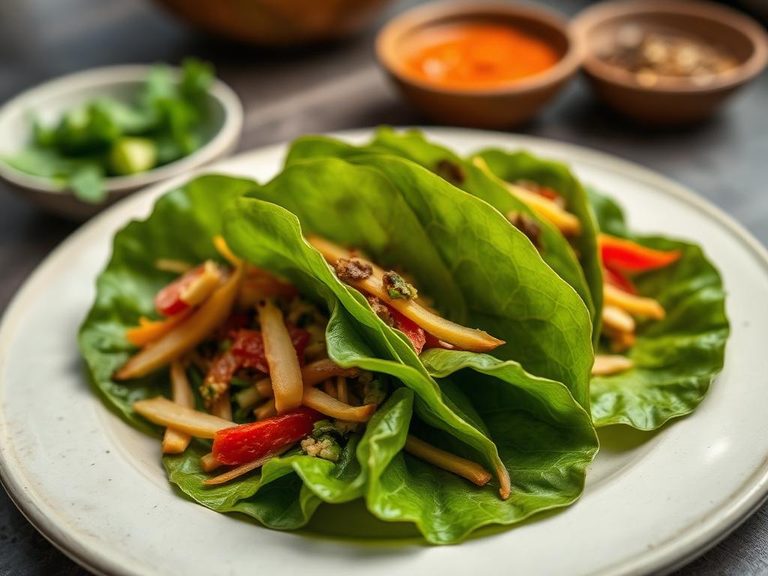
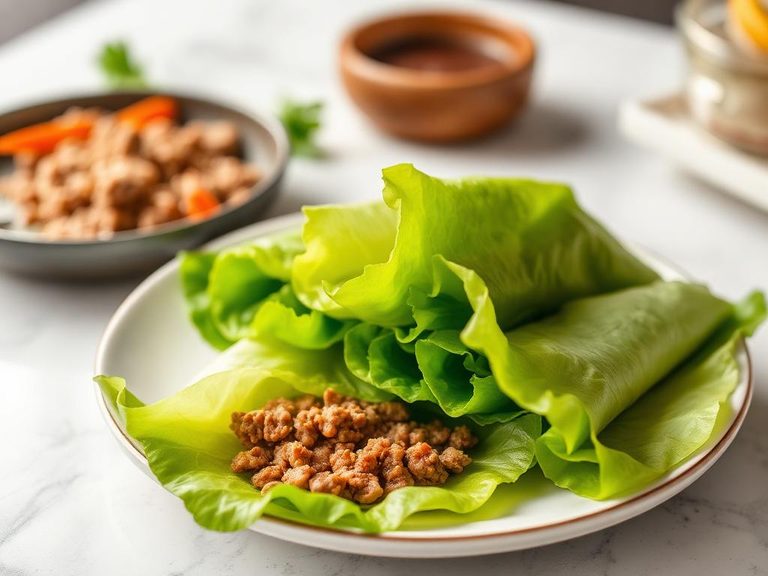
Dock leaf wraps are a simple, foraged dish where large, fresh dock leaves (from the Rumex genus) are used as natural, edible wrappers for various fillings. Commonly filled with seasoned meats, cheeses, or vegetables, they are a traditional way to utilize this abundant wild plant found across Europe and North America. The leaves are typically blanched or wilted to soften their texture before wrapping.
🍽️ Nutrition at a glance
This dish is generally low in carbohydrates and fat, with its nutritional profile largely dependent on the filling. The dock leaves themselves provide a good source of vitamins A and C, along with minerals like potassium and magnesium, contributing to a relatively low-calorie base.
Nutrition breakdown
| Calories | 85 kcal |
| Protein | 5.2 g |
| Carbs | 8.5 g |
| Fat | 3.1 g |
| Fiber | 2.8 g |
| Sugar | 2.1 g |
| Sodium | 95 mg |
| Vitamin A | 120 µg RAE |
| Vitamin C | 18 mg |
| Potassium | 290 mg |
| Magnesium | 22 mg |
| Calcium | 85 mg |
| Iron | 1.2 mg |
| Manganese | 0.3 mg |
| Vitamin K | 55 µg |
Per 2 medium wraps (approx. 120 g) · estimated, varies by recipe
💡 What's interesting
Culturally, using dock leaves as wraps is a prime example of historical foraging and resourcefulness, turning a common 'weed' into a functional food. Nutritionally, the leaves contain oxalic acid, which gives them a slightly sour taste and is also found in spinach and rhubarb.