Cheese, cottage, creamed, large or small curd
Common food

Photo: Wikipedia
Creamed cottage cheese is a fresh, soft-curd cheese with a mild, slightly tangy flavor and a luxuriously creamy, lumpy texture. Its standout nutritional feature is its high protein content relative to its calories, making it a staple for muscle-building and satiety.
💚 Why it's loved
People love its unique, satisfying texture and mild canvas that readily absorbs flavors, from sweet honey and fruit to savory herbs and everything bagel seasoning. It's a quick, protein-packed snack or meal component that feels indulgent yet wholesome.
⚠️ Watch-outs & how to enjoy it better
The curdled texture can be off-putting to some, and it often contains added sodium. Those monitoring blood sugar should note its minimal carbs, but the lack of fiber means it's best paired with fiber-rich foods like berries or vegetables for a more balanced meal. Always check labels for added phosphates or gums if you have digestive sensitivities.
Key benefits
- Excellent source of high-quality casein protein for sustained muscle repair.
- Low in calories and carbohydrates, supporting weight management goals.
- Rich in calcium and phosphorus for bone health.
- Contains selenium, an antioxidant mineral that supports thyroid function.
- A versatile, no-cook protein base for both sweet and savory dishes.
🍽️ Popular dishes
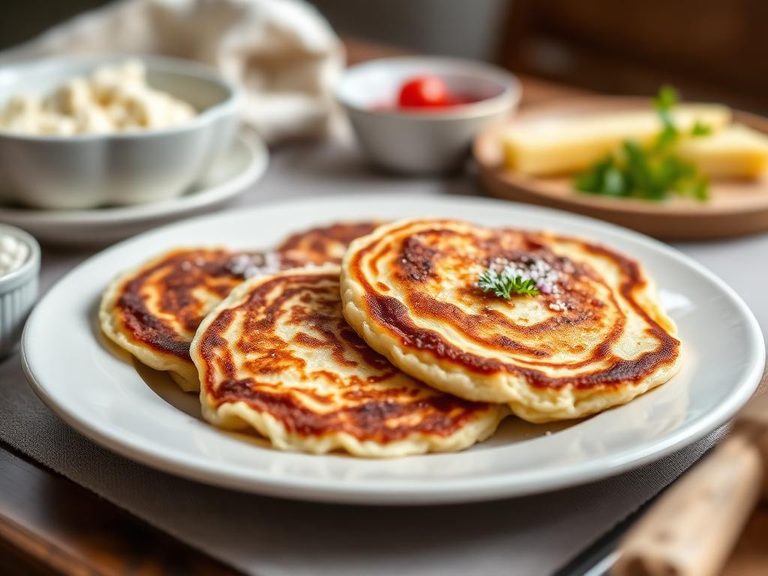
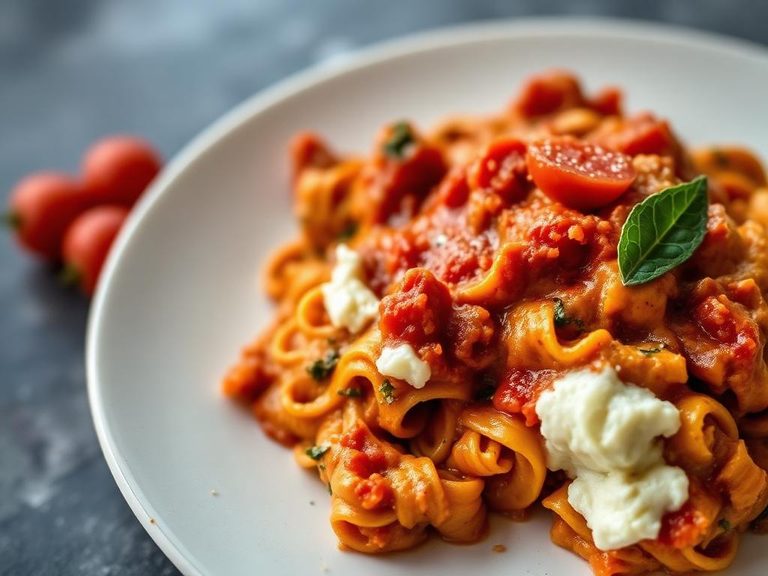
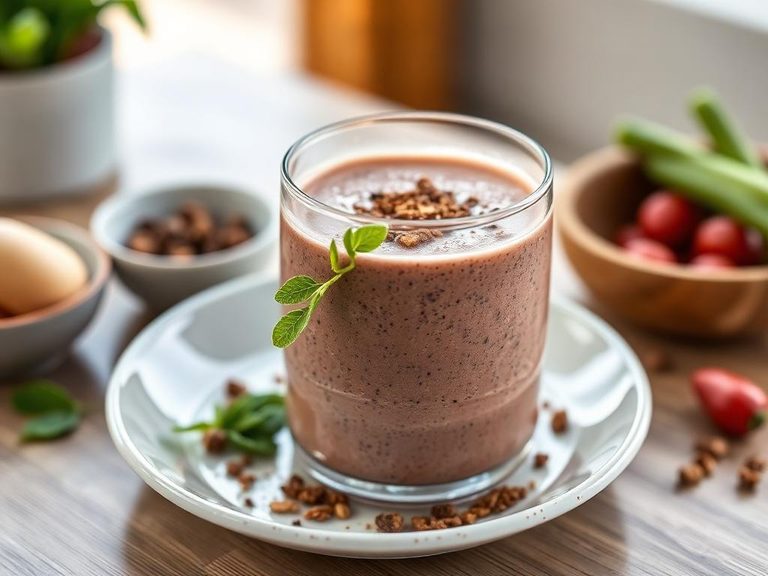
🌍 Where it's eaten
💡 Did you know?
The 'creamed' version isn't about dairy cream; it refers to the process of blending the curds with a small amount of cream or milk to create a smoother, more uniform consistency between the curds and whey.
Full nutrition (scales with serving)
| Water | 78.1 g |
| Energy | 103 kcal |
| Protein | 11.6 g |
| Total lipid (fat) | 4.2 g |
| Carbohydrate, by difference | 4.6 g |
| Fiber, total dietary | 0.00 g |
| Total Sugars | 2.7 g |
| Calcium, Ca | 88.0 mg |
| Iron, Fe | 0.00 mg |
| Magnesium, Mg | 9.0 mg |
| Phosphorus, P | 154 mg |
| Potassium, K | 124 mg |
| Sodium, Na | 350 mg |
| Zinc, Zn | 0.45 mg |
| Copper, Cu | 0.00 mg |
| Selenium, Se | 9.7 ug |
| Vitamin C, total ascorbic acid | 0.00 mg |
| Thiamin | 0.05 mg |
| Riboflavin | 0.16 mg |
| Niacin | 0.14 mg |
| Vitamin B-6 | 0.05 mg |
| Folate, total | 12.0 ug |
| Folic acid | 0.00 ug |
| Folate, food | 12.0 ug |
| Folate, DFE | 12.0 ug |
| Choline, total | 18.4 mg |
| Vitamin B-12 | 0.66 ug |
| Vitamin B-12, added | 0.00 ug |
| Vitamin A, RAE | 36.0 ug |
| Retinol | 36.0 ug |
| Carotene, beta | 0.00 ug |
| Carotene, alpha | 0.00 ug |
| Cryptoxanthin, beta | 0.00 ug |
| Lycopene | 0.00 ug |
| Lutein + zeaxanthin | 0.00 ug |
| Vitamin E (alpha-tocopherol) | 0.08 mg |
| Vitamin E, added | 0.00 mg |
| Vitamin D (D2 + D3) | 0.10 ug |
| Vitamin K (phylloquinone) | 0.00 ug |
| Fatty acids, total saturated | 2.6 g |
| SFA 4:0 | 0.11 g |
| SFA 6:0 | 0.03 g |
| SFA 8:0 | 0.02 g |
| SFA 10:0 | 0.06 g |
| SFA 12:0 | 0.14 g |
| SFA 14:0 | 0.42 g |
| SFA 16:0 | 1.2 g |
| SFA 18:0 | 0.38 g |
| Fatty acids, total monounsaturated | 0.92 g |
| MUFA 16:1 | 0.05 g |
| MUFA 18:1 | 0.71 g |
| MUFA 20:1 | 0.00 g |
| MUFA 22:1 | 0.00 g |
| Fatty acids, total polyunsaturated | 0.12 g |
| PUFA 18:2 | 0.10 g |
| PUFA 18:3 | 0.02 g |
| PUFA 18:4 | 0.00 g |
| PUFA 20:4 | 0.00 g |
| PUFA 20:5 n-3 (EPA) | 0.00 g |
| PUFA 22:5 n-3 (DPA) | 0.00 g |
| PUFA 22:6 n-3 (DHA) | 0.00 g |
| Cholesterol | 18.0 mg |
| Alcohol, ethyl | 0.00 g |
| Caffeine | 0.00 mg |
| Theobromine | 0.00 mg |
FAQ
What's the difference between small-curd and large-curd cottage cheese?
The difference is purely textural. Large-curd (also called 'chunky') is made by cutting the curd into bigger pieces before cooking, resulting in a heartier, more distinct bite. Small-curd is made with a finer cut, giving it a smoother, more uniform consistency. Nutritionally, they are virtually identical.
Is cottage cheese good for weight loss?
It's often recommended for weight management due to its high protein and relatively low calorie content. The protein promotes satiety, helping you feel full longer, which can reduce overall calorie intake. Pairing it with fiber-rich foods like vegetables or fruit enhances this effect.
Can I eat the liquid (whey) in the container?
Yes, absolutely. That liquid is whey, a natural byproduct of cheese-making that contains some protein, calcium, and other nutrients. Many people stir it back in for a creamier consistency, or you can drink it separately or use it in smoothies.