

Cereals ready-to-eat, rice, puffed, fortified
Whole food · Breakfast Cereals

Photo: Wikipedia
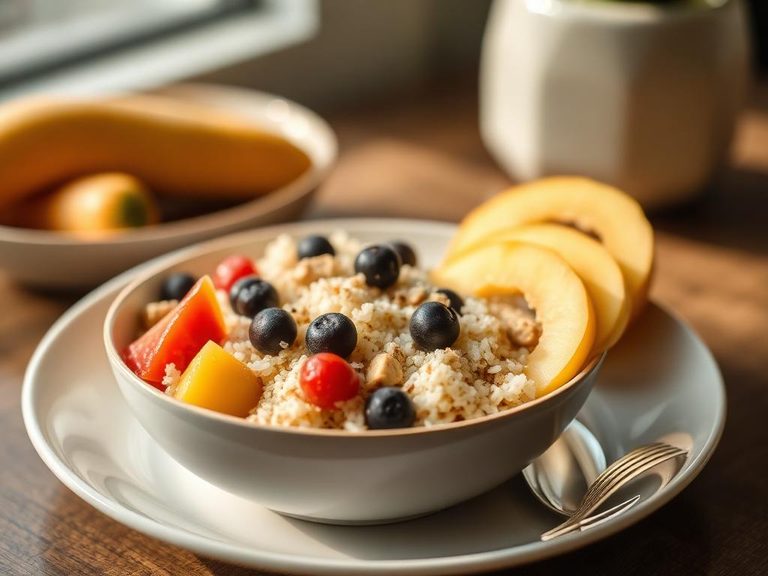
Puffed rice is a light, airy cereal made by heating rice kernels under pressure until they expand dramatically, creating a crisp, melt-in-the-mouth texture with a subtle, toasted grain flavor. It's a low-fat, low-calorie base that's often fortified with vitamins and minerals, making it a common choice for a quick, crunchy breakfast or snack.
Calorie split: 6% protein · 92% carbs · 1% fat
↓ Full nutrition💚 Why it's loved
People love its satisfying crunch and neutral, slightly sweet flavor, which acts as a perfect canvas for milk, fruit, or honey. It's a nostalgic, versatile staple in many cultures, from a simple breakfast bowl to a key ingredient in savory snacks.
⚠️ Watch-outs & how to enjoy it better
Its high carbohydrate content and low fiber/protein can lead to rapid blood-sugar spikes if eaten alone. To counteract this, always pair it with a source of protein (like milk, yogurt, or nuts) and healthy fat to slow digestion and create a more balanced meal.
Key benefits
- Very low in fat (0.5g per 100g)
- Fortified with essential vitamins and iron
- Provides quick energy from complex carbohydrates
- Naturally gluten-free and low in sodium
🍽️ Popular dishes
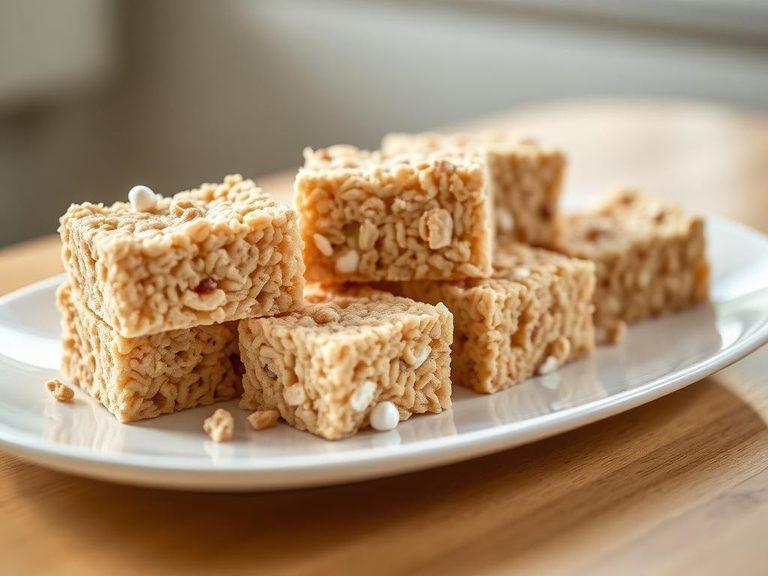
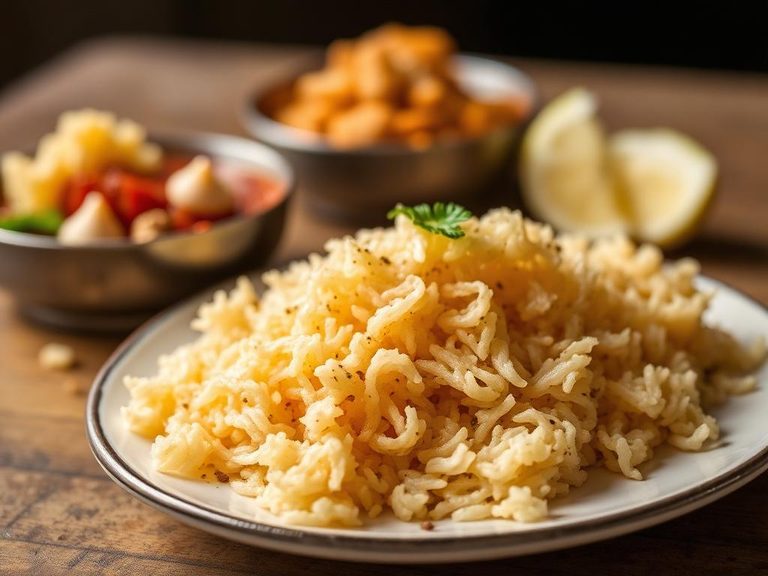
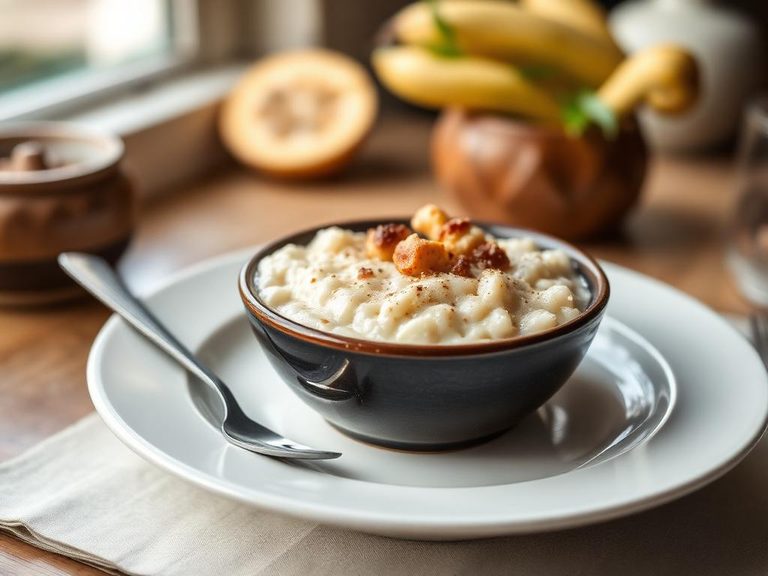
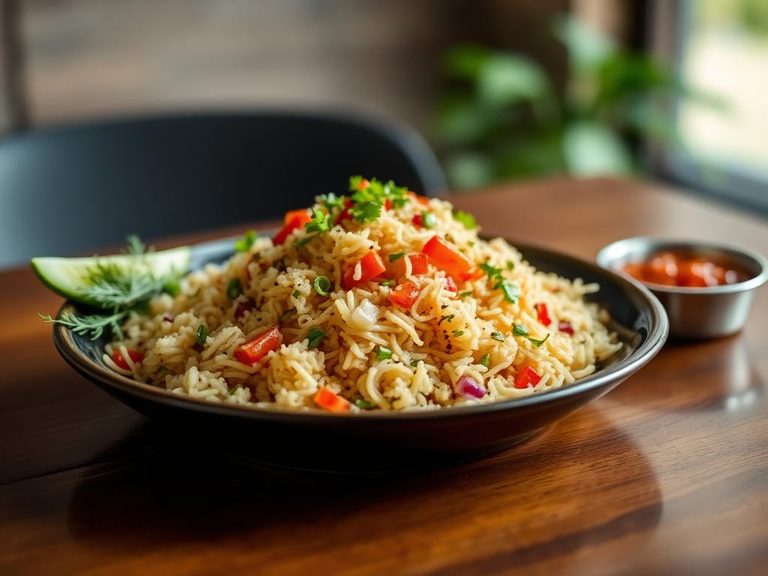
🌍 Where it's eaten
💡 Did you know?
The process of puffing rice can cause the kernel to expand to over eight times its original size, creating its signature airy structure.
Full nutrition (USDA data · scales with serving)
| Water | 3.0 g |
| Energy | 402 kcal |
| Energy | 1682 kj |
| Protein | 6.3 g |
| Total lipid (fat) | 0.50 g |
| Ash | 0.40 g |
| Carbohydrate, by difference | 89.8 g |
| Fiber, total dietary | 1.7 g |
| Calcium, Ca | 6.0 mg |
| Iron, Fe | 31.7 mg |
| Magnesium, Mg | 25.0 mg |
| Phosphorus, P | 98.0 mg |
| Potassium, K | 113 mg |
| Sodium, Na | 3.0 mg |
| Zinc, Zn | 1.0 mg |
| Copper, Cu | 0.17 mg |
| Manganese, Mn | 1.5 mg |
| Selenium, Se | 10.5 ug |
| Fluoride, F | 19.0 ug |
| Vitamin C, total ascorbic acid | 0.00 mg |
| Thiamin | 2.6 mg |
| Riboflavin | 1.8 mg |
| Niacin | 35.3 mg |
| Pantothenic acid | 0.32 mg |
| Vitamin B-6 | 0.07 mg |
| Folate, total | 19.0 ug |
| Folic acid | 0.00 ug |
| Folate, food | 19.0 ug |
| Folate, DFE | 19.0 ug |
| Vitamin B-12 | 0.00 ug |
| Vitamin A, RAE | 0.00 ug |
| Retinol | 0.00 ug |
| Vitamin A, IU | 0.00 iu |
Fat & fatty acid profile (per 100g)
| Fatty acids, total saturated | 0.13 g |
| Cholesterol | 0.00 mg |
Amino acid profile (per 100g)
| Tryptophan | 0.09 g |
| Threonine | 0.32 g |
| Isoleucine | 0.34 g |
| Leucine | 0.53 g |
| Lysine | 0.27 g |
| Methionine | 0.19 g |
| Cystine | 0.11 g |
| Phenylalanine | 0.27 g |
| Tyrosine | 0.35 g |
| Valine | 0.41 g |
| Arginine | 0.52 g |
| Histidine | 0.19 g |
| Alanine | 0.26 g |
| Aspartic acid | 0.58 g |
| Glutamic acid | 1.0 g |
| Glycine | 0.37 g |
| Proline | 0.27 g |
| Serine | 0.29 g |
FAQ
Is puffed rice the same as Rice Krispies?
Rice Krispies is a specific brand of sweetened, toasted puffed rice cereal. Puffed rice is the general term for the product, which can be plain or flavored.
How is puffed rice made?
It's typically made by heating rice kernels (often parboiled) in a pressurized chamber. The sudden release of pressure causes the moisture inside to flash to steam, puffing the grain outward.
Is it a healthy breakfast?
On its own, it's low in fat but high in simple carbs. For a balanced meal, serve a modest portion (about 1 cup) with milk or yogurt for protein, and add berries or nuts for fiber and healthy fats.
Nutrient density (calculated · NRF9.3)
Nutrient Rich Foods index: beneficial nutrients (protein, fiber, vitamins, minerals) minus saturated fat, added sugar & sodium, per 100 kcal.
NRF9.3 index — Fulgoni, Keast & Drewnowski, 2009. Computed from USDA nutrients.
Weight-loss friendliness (composite index)
Energy density 4.02 kcal/g · 6% calories from protein · 1.7 g fiber · 0.0 g sugar per 100 g.
Composite of energy density (Rolls et al., 1999), protein & fiber satiety, minus sugar. A calculated heuristic — ranks satiety-per-calorie, not a clinical measure.
Dietary load (calculated from USDA values)
Potential renal acid load. Positive = acid-forming, negative = alkaline-forming.
Sodium-to-potassium ratio: 0.03 (lower is better — aim for ≤ 1)
Sodium:potassium per WHO potassium guidance. Computed from USDA nutrients.