

Spices, fenugreek seed
Whole food · Spices and Herbs

Photo: Wikipedia
Fenugreek seeds are small, hard, golden-brown seeds with a potent, bittersweet aroma reminiscent of maple syrup and burnt sugar. Their flavor is complex—initially bitter, then nutty and savory, with a subtle sweetness that intensifies when toasted or sprouted. Nutritionally, they are a fiber powerhouse, delivering over 24g per 100g, and are a surprisingly robust plant-based protein source.
Calorie split: 24% protein · 61% carbs · 15% fat
↓ Full nutrition💚 Why it's loved
People love fenugreek for its transformative ability to add deep, savory umami and a unique maple-like sweetness to dishes. It is the irreplaceable backbone of spice blends like curry powder and is cherished in cultures from India to Ethiopia for its warming, aromatic complexity.
⚠️ Watch-outs & how to enjoy it better
The strong, bitter flavor can be overpowering if used excessively, and some find the raw taste unpleasant. Its high fiber content can cause digestive discomfort (gas, bloating) in those not accustomed to it. To counteract this, start with small amounts, toast the seeds to mellow bitterness, or sprout them to reduce compounds that may affect blood sugar. Always use in balance with other spices.
Key benefits
- Exceptionally high in soluble fiber, which aids in digestion and promotes a feeling of fullness.
- A rich source of plant-based protein, making it valuable in vegetarian and vegan diets.
- Contains iron, magnesium, and manganese, essential minerals for energy and bone health.
- The soluble fiber galactomannan may help moderate the absorption of sugars into the bloodstream.
- Traditionally used in culinary practices to support lactation in new mothers.
🍽️ Popular dishes
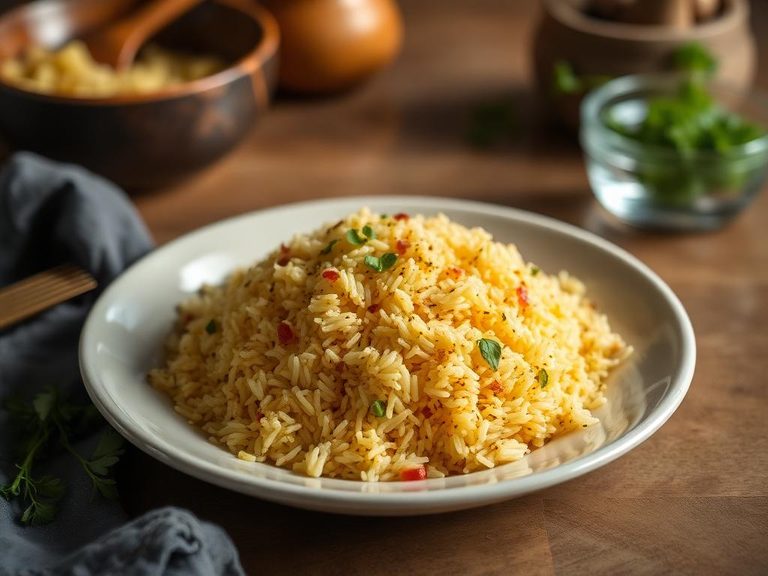
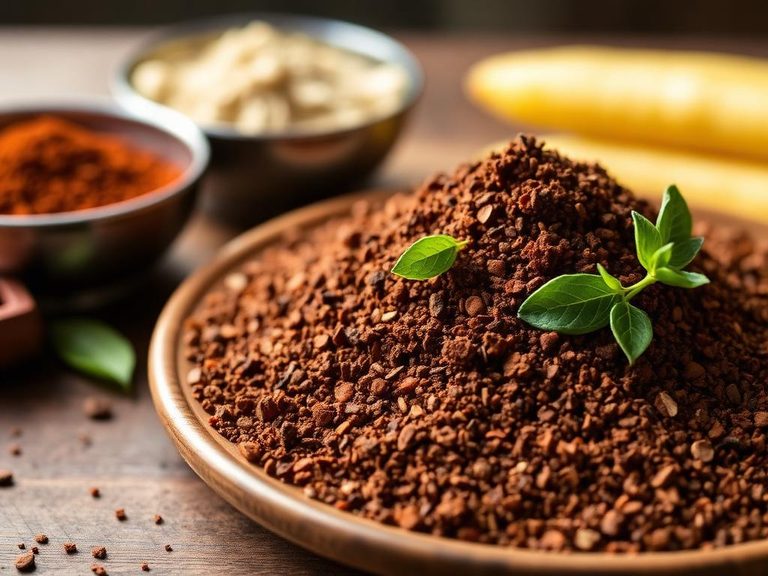
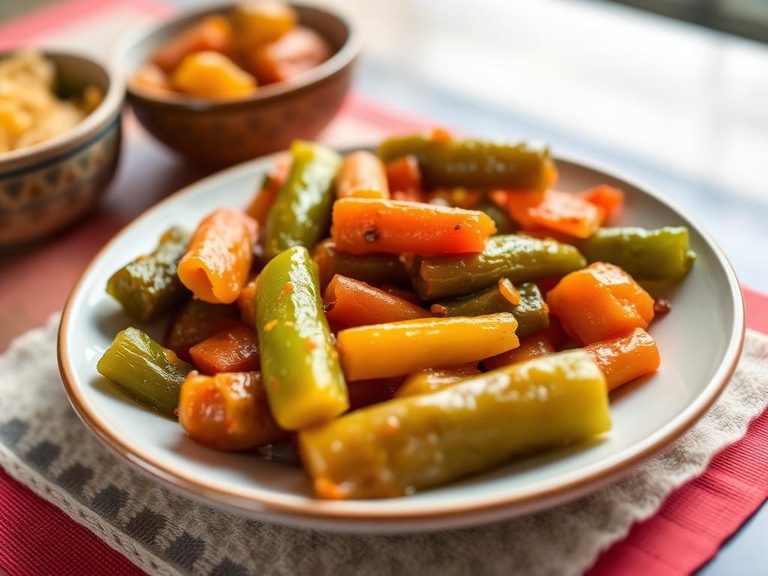

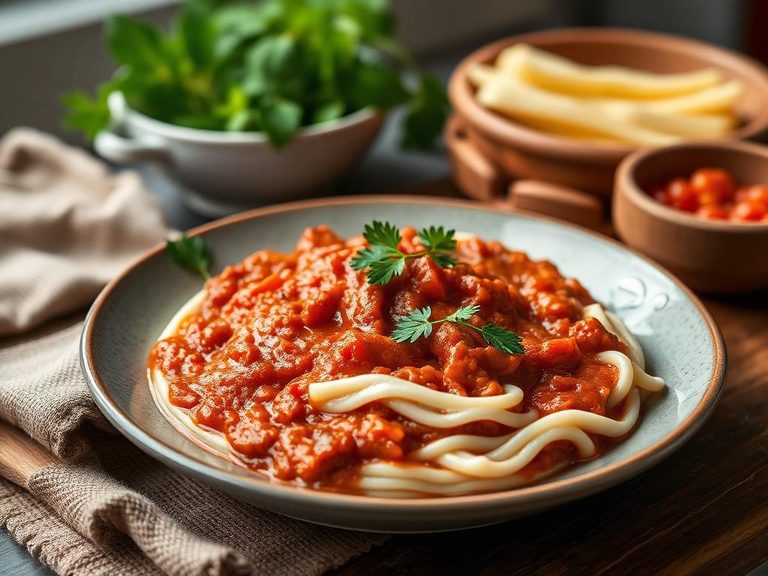
🌍 Where it's eaten
💡 Did you know?
Fenugreek is the source of the primary compound (sotolon) that gives maple syrup its distinctive aroma, which is why the seeds smell remarkably like maple syrup, especially when soaked or sprouted.
Full nutrition (USDA data · scales with serving)
| Water | 8.8 g |
| Energy | 323 kcal |
| Energy | 1352 kj |
| Protein | 23.0 g |
| Total lipid (fat) | 6.4 g |
| Ash | 3.4 g |
| Carbohydrate, by difference | 58.4 g |
| Fiber, total dietary | 24.6 g |
| Calcium, Ca | 176 mg |
| Iron, Fe | 33.5 mg |
| Magnesium, Mg | 191 mg |
| Phosphorus, P | 296 mg |
| Potassium, K | 770 mg |
| Sodium, Na | 67.0 mg |
| Zinc, Zn | 2.5 mg |
| Copper, Cu | 1.1 mg |
| Manganese, Mn | 1.2 mg |
| Selenium, Se | 6.3 ug |
| Vitamin C, total ascorbic acid | 3.0 mg |
| Thiamin | 0.32 mg |
| Riboflavin | 0.37 mg |
| Niacin | 1.6 mg |
| Vitamin B-6 | 0.60 mg |
| Folate, total | 57.0 ug |
| Folic acid | 0.00 ug |
| Folate, food | 57.0 ug |
| Folate, DFE | 57.0 ug |
| Vitamin B-12 | 0.00 ug |
| Vitamin A, RAE | 3.0 ug |
| Retinol | 0.00 ug |
| Vitamin A, IU | 60.0 iu |
| Vitamin D (D2 + D3), International Units | 0.00 iu |
| Vitamin D (D2 + D3) | 0.00 ug |
Fat & fatty acid profile (per 100g)
| Fatty acids, total saturated | 1.5 g |
| Fatty acids, total trans | 0.00 g |
| Cholesterol | 0.00 mg |
| Phytosterols | 140 mg |
Amino acid profile (per 100g)
| Tryptophan | 0.39 g |
| Threonine | 0.90 g |
| Isoleucine | 1.2 g |
| Leucine | 1.8 g |
| Lysine | 1.7 g |
| Methionine | 0.34 g |
| Cystine | 0.37 g |
| Phenylalanine | 1.1 g |
| Tyrosine | 0.76 g |
| Valine | 1.1 g |
| Arginine | 2.5 g |
| Histidine | 0.67 g |
| Alanine | 1.0 g |
| Aspartic acid | 2.7 g |
| Glutamic acid | 4.0 g |
| Glycine | 1.3 g |
| Proline | 1.2 g |
| Serine | 1.2 g |
FAQ
Why do my fenugreek seeds taste so bitter?
Bitterness is natural. To reduce it, lightly dry-toast the seeds in a pan until fragrant before grinding, or soak them in water overnight and discard the water. Sprouting the seeds also significantly cuts bitterness.
How do I use fenugreek seeds in cooking?
They are often used whole or ground. Add whole seeds to hot oil at the start of cooking (tempering) to infuse flavor. Ground seeds are a key component in spice blends. For a milder flavor, use the dried leaves (kasuri methi).
Can fenugreek affect blood sugar or medication?
Due to its fiber content, fenugreek may help slow sugar absorption. People on diabetes medication or blood thinners should consult a healthcare provider before consuming large amounts as a supplement, as it may interact with these drugs.
Nutrient density (calculated · NRF9.3)
Nutrient Rich Foods index: beneficial nutrients (protein, fiber, vitamins, minerals) minus saturated fat, added sugar & sodium, per 100 kcal.
NRF9.3 index — Fulgoni, Keast & Drewnowski, 2009. Computed from USDA nutrients.
Weight-loss friendliness (composite index)
Energy density 3.23 kcal/g · 28% calories from protein · 24.6 g fiber · 0.0 g sugar per 100 g.
Composite of energy density (Rolls et al., 1999), protein & fiber satiety, minus sugar. A calculated heuristic — ranks satiety-per-calorie, not a clinical measure.
Dietary load (calculated from USDA values)
Potential renal acid load. Positive = acid-forming, negative = alkaline-forming.
Sodium-to-potassium ratio: 0.09 (lower is better — aim for ≤ 1)
Sodium:potassium per WHO potassium guidance. Computed from USDA nutrients.