

Snacks, cornnuts, barbecue-flavor
Whole food · Snacks

Photo: Wikipedia
Barbecue-flavored corn nuts are whole corn kernels that have been deep-fried or toasted until shatteringly crunchy, then coated in a smoky, savory, and slightly sweet barbecue seasoning. They deliver a loud, satisfying crunch with a bold, umami-rich flavor that's reminiscent of classic cookout sauce. Nutritionally, they are a calorie-dense, high-carb snack with a respectable amount of fiber.
Calorie split: 8% protein · 64% carbs · 29% fat
↓ Full nutrition💚 Why it's loved
People love them for their intense, addictive crunch and the bold, nostalgic flavor of barbecue that coats every kernel. They are a versatile snack, perfect for munching straight from the bag, topping salads for texture, or serving as a salty, crunchy side at gatherings.
⚠️ Watch-outs & how to enjoy it better
They are calorie-dense and high in refined carbohydrates, which can lead to blood-sugar spikes if eaten in large quantities. The seasoning often contains significant sodium, which may be a concern for those monitoring salt intake. To counteract this, practice strict portion control, pair them with a source of protein or healthy fat (like hummus or cheese) to slow digestion, and drink plenty of water.
Key benefits
- Provides a quick source of energy from carbohydrates
- Contains dietary fiber which aids in digestion
- Offers a crunchy, satisfying texture without being a nut
- A shelf-stable, portable snack option
- Provides a small amount of plant-based protein
🍽️ Popular dishes
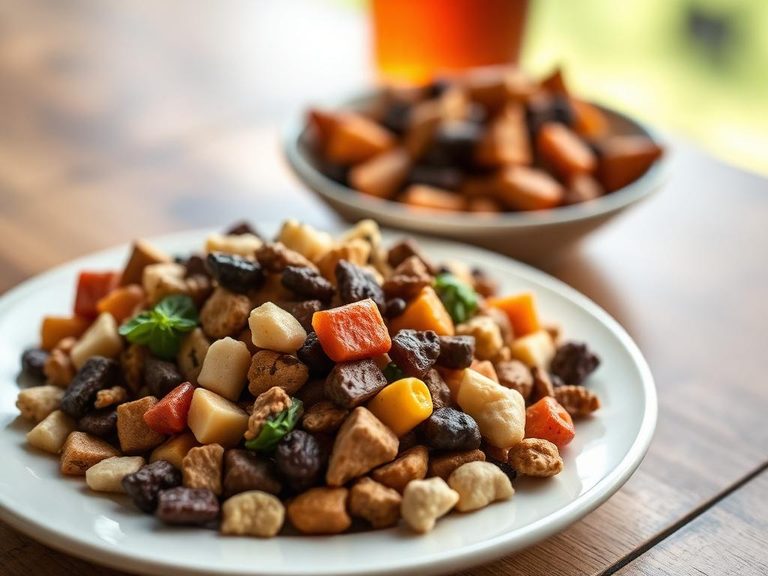
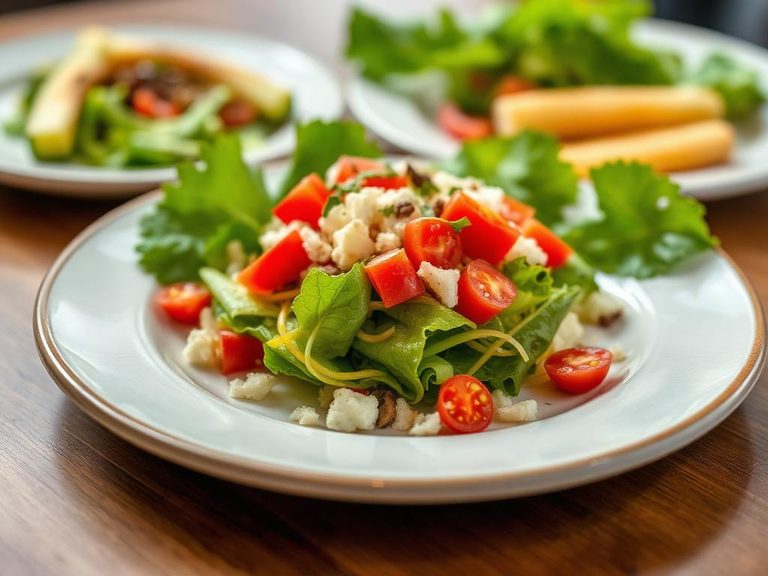
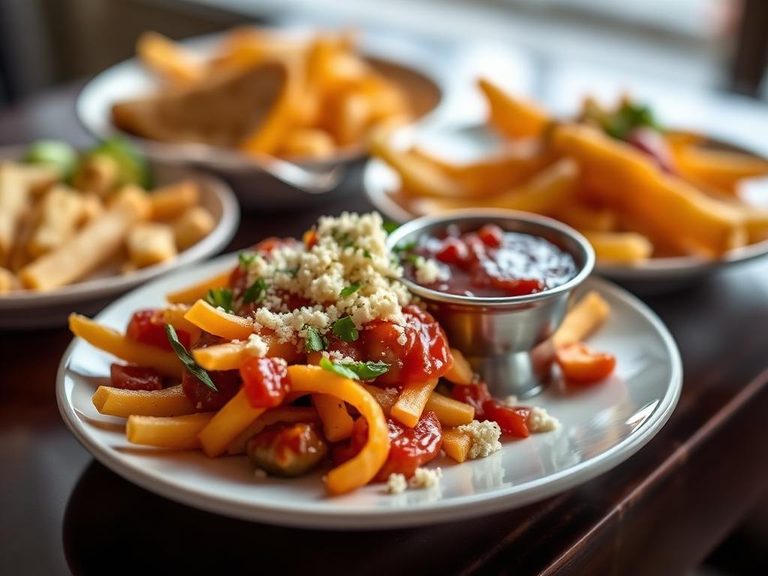
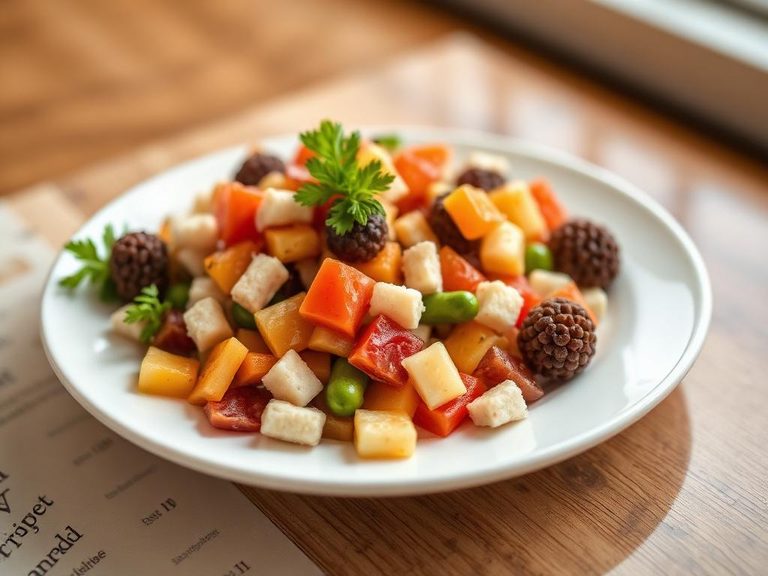
🌍 Where it's eaten
💡 Did you know?
The original snack, known as 'cancha,' is a traditional toasted corn from the Andean regions of South America, particularly Peru and Ecuador, and has been eaten for centuries before the barbecue-flavored version became popular in the U.S.
Full nutrition (USDA data · scales with serving)
| Water | 1.6 g |
| Energy | 436 kcal |
| Energy | 1824 kj |
| Protein | 9.0 g |
| Total lipid (fat) | 14.3 g |
| Ash | 3.4 g |
| Carbohydrate, by difference | 71.7 g |
| Fiber, total dietary | 8.4 g |
| Calcium, Ca | 17.0 mg |
| Iron, Fe | 1.7 mg |
| Magnesium, Mg | 109 mg |
| Phosphorus, P | 283 mg |
| Potassium, K | 286 mg |
| Sodium, Na | 600 mg |
| Zinc, Zn | 1.9 mg |
| Copper, Cu | 0.14 mg |
| Manganese, Mn | 0.49 mg |
| Vitamin C, total ascorbic acid | 0.40 mg |
| Thiamin | 0.35 mg |
| Riboflavin | 0.14 mg |
| Niacin | 1.5 mg |
| Pantothenic acid | 0.37 mg |
| Vitamin B-6 | 0.19 mg |
| Folate, total | 0.00 ug |
| Folic acid | 0.00 ug |
| Folate, food | 0.00 ug |
| Folate, DFE | 0.00 ug |
| Vitamin B-12 | 0.00 ug |
| Vitamin A, RAE | 17.0 ug |
| Retinol | 0.00 ug |
| Vitamin A, IU | 338 iu |
Fat & fatty acid profile (per 100g)
| Fatty acids, total saturated | 2.6 g |
| SFA 14:0 | 0.03 g |
| SFA 16:0 | 1.6 g |
| SFA 18:0 | 0.95 g |
| Fatty acids, total monounsaturated | 7.4 g |
| MUFA 16:1 | 0.01 g |
| MUFA 18:1 | 7.3 g |
| Fatty acids, total polyunsaturated | 3.2 g |
| PUFA 18:2 | 3.2 g |
| PUFA 18:3 | 0.05 g |
| Cholesterol | 0.00 mg |
Amino acid profile (per 100g)
Estimated from Snacks, corn-based, extruded, chips, plain — USDA does not publish this profile for Snacks.
| Tryptophan | 0.05 g |
| Threonine | 0.25 g |
| Isoleucine | 0.23 g |
| Leucine | 0.80 g |
| Lysine | 0.18 g |
| Methionine | 0.14 g |
| Cystine | 0.12 g |
| Phenylalanine | 0.32 g |
| Tyrosine | 0.27 g |
| Valine | 0.33 g |
| Arginine | 0.33 g |
| Histidine | 0.20 g |
| Alanine | 0.49 g |
| Aspartic acid | 0.46 g |
| Glutamic acid | 1.2 g |
| Glycine | 0.27 g |
| Proline | 0.57 g |
| Serine | 0.31 g |
FAQ
Are corn nuts gluten-free?
The base ingredient (corn) is naturally gluten-free, but you must check the packaging. Cross-contamination during processing or the use of barley malt in the seasoning can introduce gluten.
What's the difference between corn nuts and corn chips?
Corn nuts are made from whole corn kernels that are soaked and then fried or roasted, resulting in a very hard, crunchy texture. Corn chips (like Fritos) are typically made from cornmeal dough that is extruded and fried, giving them a lighter, crispier texture.
Can I make barbecue corn nuts at home?
Yes. You can soak dried hominy or large corn kernels overnight, then deep-fry or roast them until crunchy. Toss them immediately with a mixture of barbecue spice, salt, and a touch of oil while still warm for the best coating.
Nutrient density (calculated · NRF9.3)
Nutrient Rich Foods index: beneficial nutrients (protein, fiber, vitamins, minerals) minus saturated fat, added sugar & sodium, per 100 kcal.
NRF9.3 index — Fulgoni, Keast & Drewnowski, 2009. Computed from USDA nutrients.
Weight-loss friendliness (composite index)
Energy density 4.36 kcal/g · 8% calories from protein · 8.4 g fiber · 0.0 g sugar per 100 g.
Composite of energy density (Rolls et al., 1999), protein & fiber satiety, minus sugar. A calculated heuristic — ranks satiety-per-calorie, not a clinical measure.
Dietary load (calculated from USDA values)
Potential renal acid load. Positive = acid-forming, negative = alkaline-forming.
Sodium-to-potassium ratio: 2.10 (lower is better — aim for ≤ 1)
Sodium:potassium per WHO potassium guidance. Computed from USDA nutrients.