

Sea bass, Chilean, frozen, wild caught
Whole food · Finfish and Shellfish Products
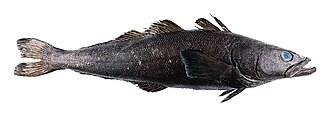
Photo: Wikipedia
Chilean sea bass, despite its name, is actually a Patagonian toothfish prized for its luxuriously rich, buttery flavor and a velvety, flaky texture that melts in your mouth. This wild-caught, frozen variety is a powerhouse of healthy fats, offering a substantial 16.57g of fat per 100g alongside a solid protein punch, making it a decadent yet nutritious centerpiece for any meal. Its high-fat content gives it a distinctively succulent mouthfeel that sets it apart from leaner white fish.
Calorie split: 29% protein · 0% carbs · 71% fat
↓ Full nutrition💚 Why it's loved
People adore Chilean sea bass for its incredibly forgiving cooking nature—it stays moist and tender even if slightly overcooked—and its versatile, mild flavor that pairs beautifully with bold sauces like miso glaze or lemon butter. Its luxurious texture and association with fine dining make it a celebratory favorite for special occasions.
⚠️ Watch-outs & how to enjoy it better
The high fat content, while delicious, can make it a calorie-dense choice for those on strict diets, and its rich flavor may be too heavy for some palates. To counteract, pair it with light, acidic sides like a vinegar-based slaw or steamed vegetables to cut through the richness, and practice portion control by sticking to a 118g serving to manage calorie intake without sacrificing satisfaction.
Key benefits
- Excellent source of high-quality protein for muscle maintenance.
- Rich in heart-healthy omega-3 fatty acids.
- Very low in carbohydrates, making it ideal for keto and low-carb diets.
- Naturally free of sugar and fiber.
- Provides essential vitamins like B12 and selenium.
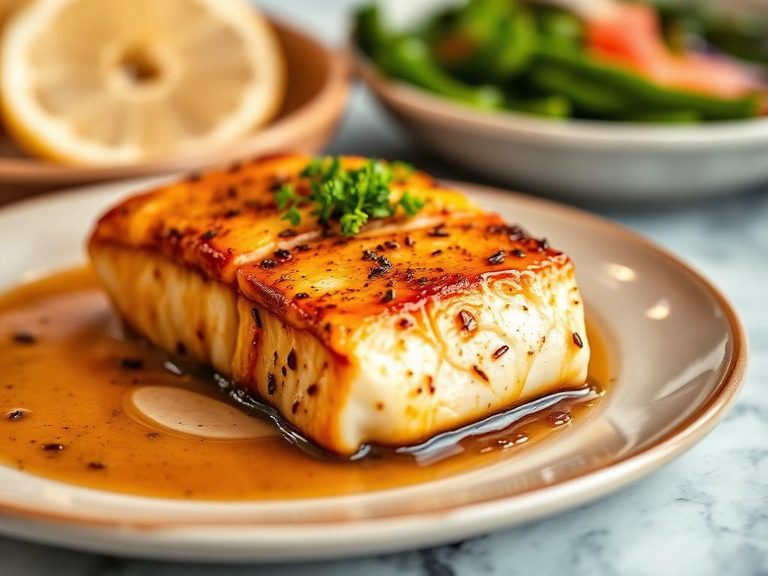
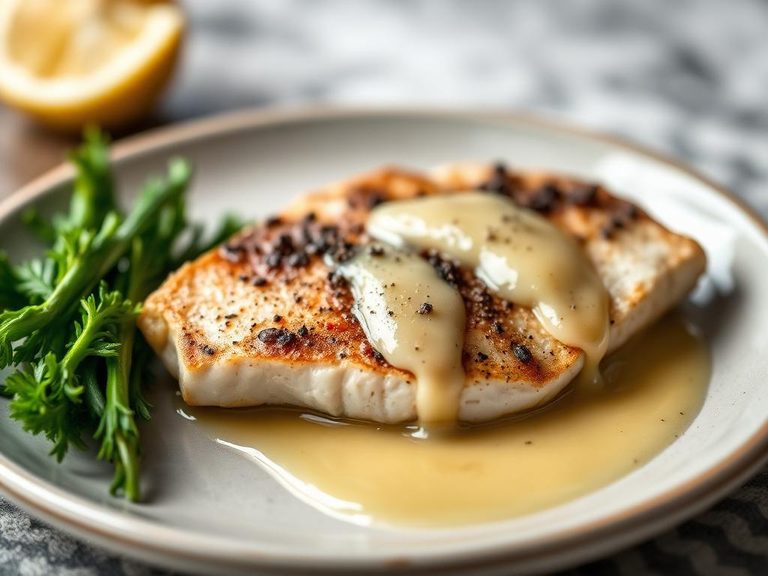
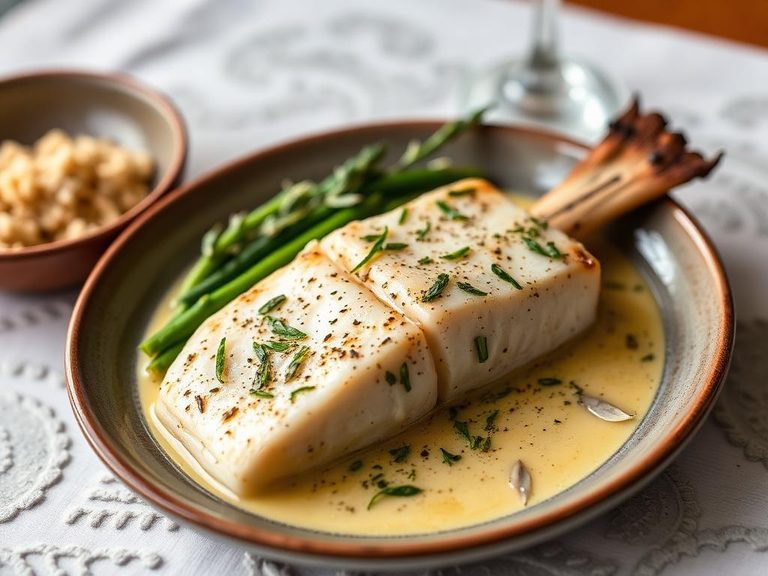
🍽️ Popular dishes
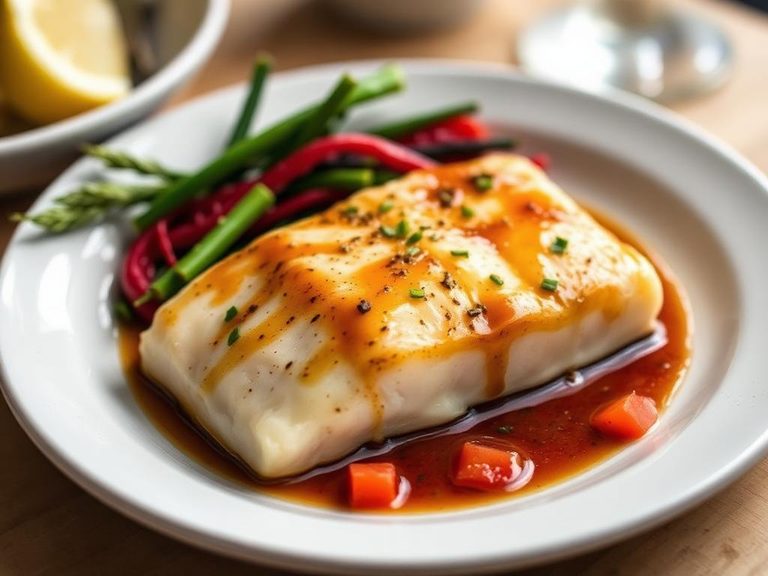
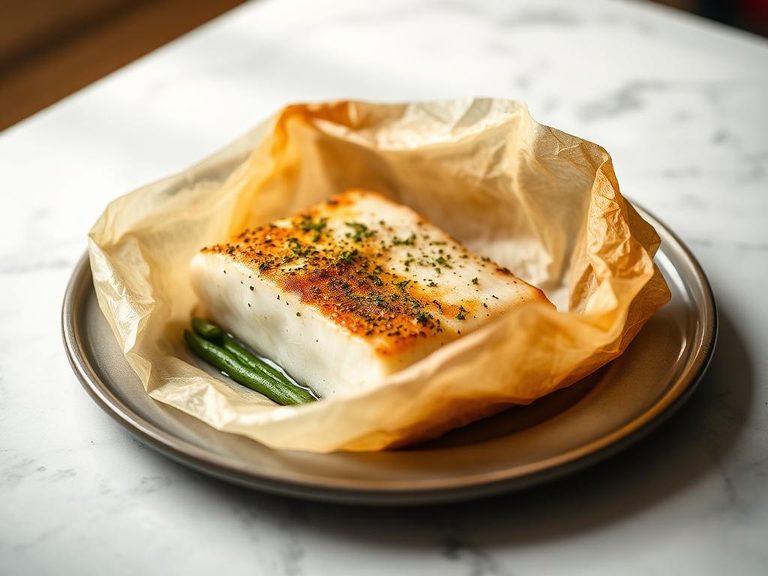
🌍 Where it's eaten
💡 Did you know?
Chilean sea bass was rebranded from 'Patagonian toothfish' in 1977 by fish merchant Lee Lantz to make it more appealing to American consumers, a marketing move that turned a relatively unknown species into a culinary luxury.
Full nutrition (USDA data · scales with serving)
| Water | 67.5 g |
| Energy (Atwater General Factors) | 209 kcal |
| Nitrogen | 2.4 g |
| Protein | 14.9 g |
| Total lipid (fat) | 16.6 g |
| Ash | 0.91 g |
| Carbohydrate, by difference | 0.14 g |
| Calcium, Ca | 6.8 mg |
| Iron, Fe | 0.00 mg |
| Magnesium, Mg | 16.6 mg |
| Phosphorus, P | 152 mg |
| Potassium, K | 236 mg |
| Sodium, Na | 109 mg |
| Zinc, Zn | 0.29 mg |
| Copper, Cu | 0.00 mg |
| Manganese, Mn | 0.00 mg |
| Selenium, Se | 69.4 ug |
| Vitamin B-12 | 0.59 ug |
Fat & fatty acid profile (per 100g)
Estimated from Fish, sea bass, mixed species, cooked, dry heat — USDA does not publish this profile for Sea bass.
| Fatty acids, total saturated | 0.66 g |
| SFA 14:0 | 0.06 g |
| SFA 16:0 | 0.41 g |
| SFA 18:0 | 0.18 g |
| Fatty acids, total monounsaturated | 0.54 g |
| MUFA 16:1 | 0.17 g |
| MUFA 18:1 | 0.38 g |
| Fatty acids, total polyunsaturated | 0.95 g |
| PUFA 18:2 | 0.03 g |
| PUFA 18:4 | 0.06 g |
| PUFA 20:5 n-3 (EPA) | 0.21 g |
| PUFA 22:5 n-3 (DPA) | 0.10 g |
| PUFA 22:6 n-3 (DHA) | 0.56 g |
| Cholesterol | 53.0 mg |
Amino acid profile (per 100g)
Estimated from Fish, sea bass, mixed species, cooked, dry heat — USDA does not publish this profile for Sea bass.
| Tryptophan | 0.27 g |
| Threonine | 1.0 g |
| Isoleucine | 1.1 g |
| Leucine | 1.9 g |
| Lysine | 2.2 g |
| Methionine | 0.70 g |
| Cystine | 0.25 g |
| Phenylalanine | 0.92 g |
| Tyrosine | 0.80 g |
| Valine | 1.2 g |
| Arginine | 1.4 g |
| Histidine | 0.70 g |
| Alanine | 1.4 g |
| Aspartic acid | 2.4 g |
| Glutamic acid | 3.5 g |
| Glycine | 1.1 g |
| Proline | 0.84 g |
| Serine | 0.96 g |
FAQ
Is Chilean sea bass actually a bass?
No, it's not a bass at all. It's the Patagonian toothfish, a deep-water species that was rebranded for marketing purposes to sound more appealing.
How should I cook frozen Chilean sea bass?
Thaw it slowly in the refrigerator overnight, then pat dry before cooking. It's best pan-seared, baked, or broiled to preserve its rich, flaky texture.
Is Chilean sea bass sustainable?
Sustainability varies by source; look for certifications like MSC (Marine Stewardship Council) to ensure it's responsibly caught.
What does Chilean sea bass taste like?
It has a mild, sweet flavor with a rich, buttery texture that's less fishy than many other white fish, making it a crowd-pleaser.
Nutrient density (calculated · NRF9.3)
Nutrient Rich Foods index: beneficial nutrients (protein, fiber, vitamins, minerals) minus saturated fat, added sugar & sodium, per 100 kcal.
NRF9.3 index — Fulgoni, Keast & Drewnowski, 2009. Computed from USDA nutrients.
Weight-loss friendliness (composite index)
Energy density 2.09 kcal/g · 29% calories from protein · 0.0 g fiber · 0.0 g sugar per 100 g.
Composite of energy density (Rolls et al., 1999), protein & fiber satiety, minus sugar. A calculated heuristic — ranks satiety-per-calorie, not a clinical measure.
Dietary load (calculated from USDA values)
Potential renal acid load. Positive = acid-forming, negative = alkaline-forming.
Sodium-to-potassium ratio: 0.46 (lower is better — aim for ≤ 1)
Sodium:potassium per WHO potassium guidance. Computed from USDA nutrients.