

Oscar Mayer, Salami (hard)
Whole food · Sausages and Luncheon Meats

Photo: Wikipedia
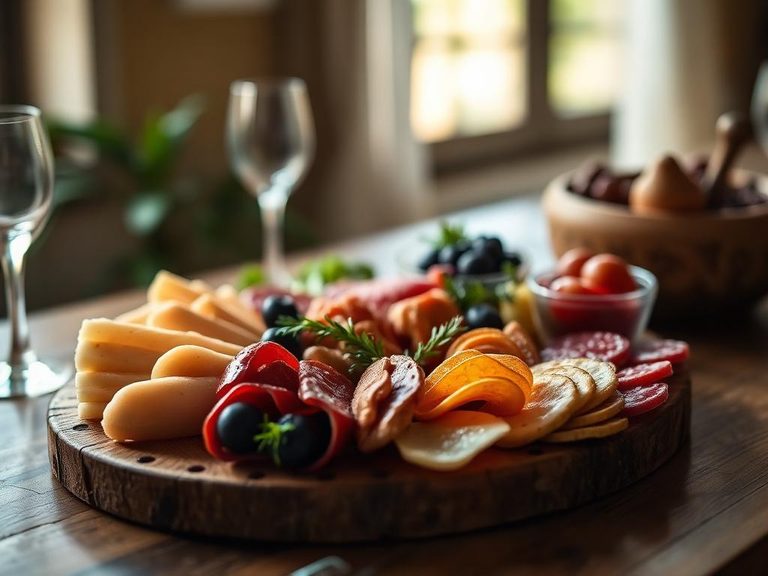
Oscar Mayer's hard salami is a classic, shelf-stable dry-cured sausage with a firm, dense texture and a bold, garlicky, slightly tangy flavor profile. Each 100g serving packs a significant protein punch (25.9g) with virtually no carbs, making it a staple for high-protein, low-carb snacking and charcuterie boards.
Calorie split: 28% protein · 2% carbs · 70% fat
↓ Full nutrition💚 Why it's loved
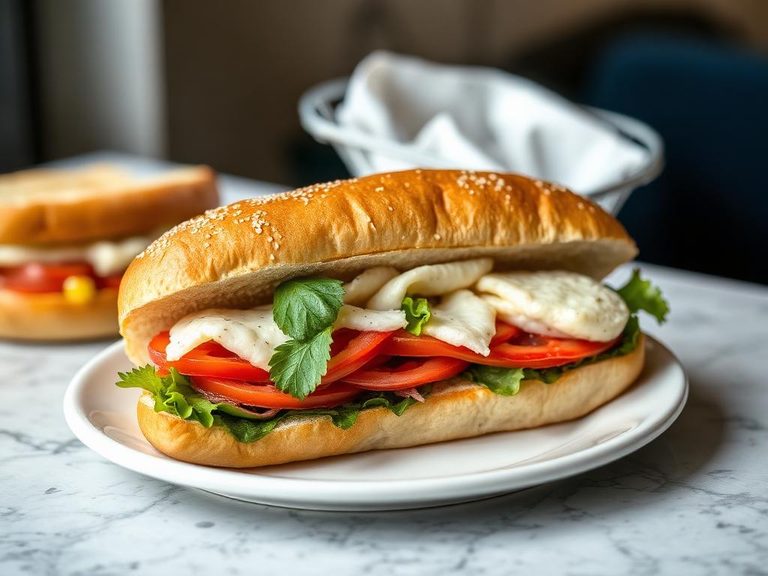
People love its intense, savory umami flavor and satisfying, chewy texture that holds up well in sandwiches and on cheese boards. Its convenience and long shelf life make it a reliable, flavorful protein source for quick meals and snacks.
⚠️ Watch-outs & how to enjoy it better
It is very high in sodium (over 1200mg per 100g) and contains saturated fat and preservatives like nitrates, which some individuals may wish to limit. To counteract this, pair it with potassium-rich foods like leafy greens or avocado, practice strict portion control (stick to the serving size), and balance it within a day of lower-sodium meals.
Key benefits
- Excellent source of complete protein for muscle maintenance.
- Virtually zero carbohydrates, suitable for ketogenic diets.
- Shelf-stable and convenient for on-the-go snacking.
- Rich in B vitamins, particularly B12 and niacin.
- Provides essential minerals like zinc and selenium.
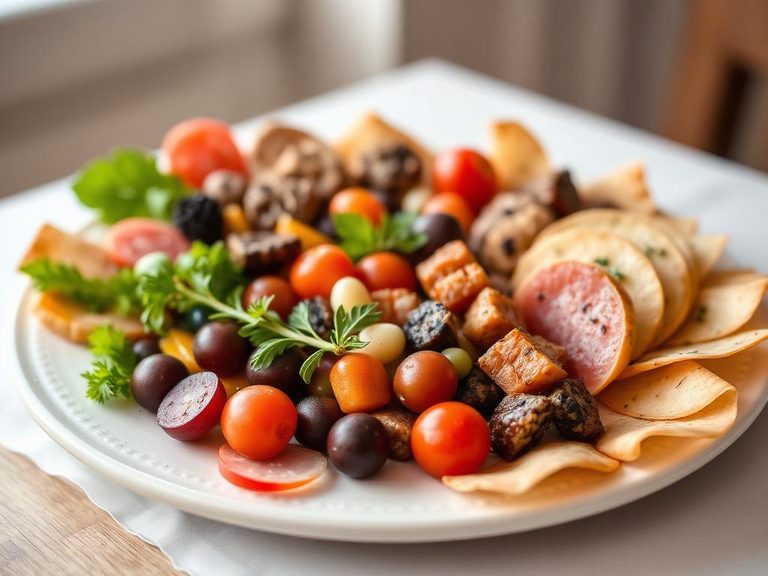
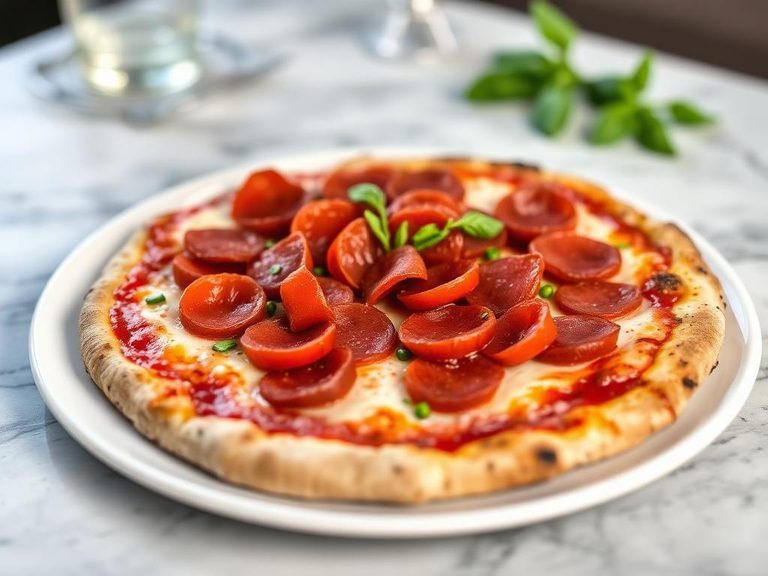
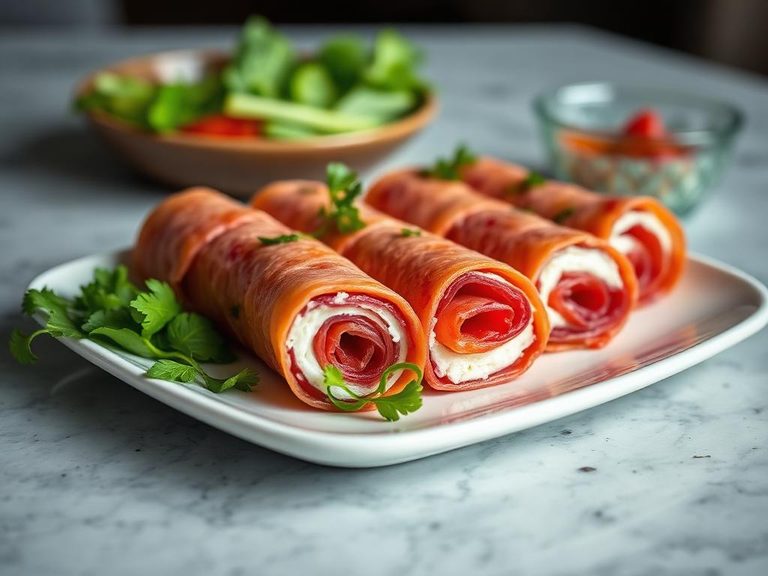
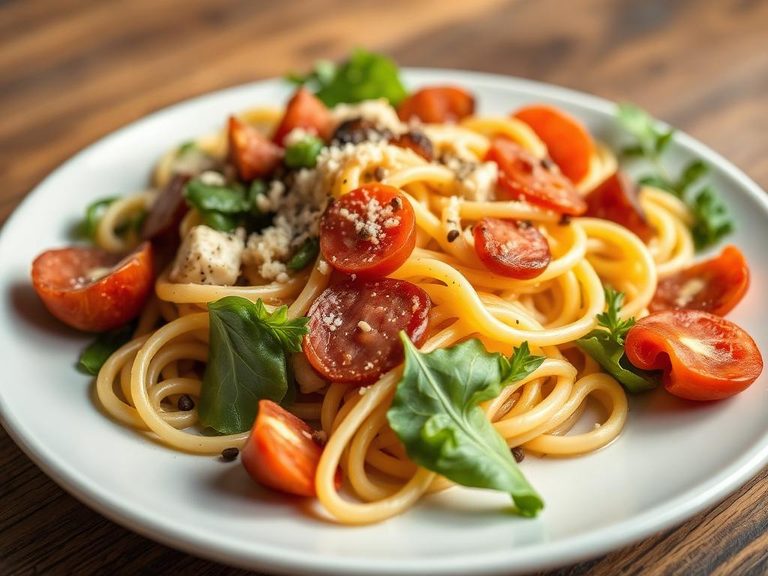
🍽️ Popular dishes
🌍 Where it's eaten
💡 Did you know?
The 'hard' in hard salami doesn't mean it's rock-solid, but rather refers to the dry-curing process that gives it a firm, sliceable texture and allows it to be shelf-stable without refrigeration until opened.
Full nutrition (USDA data · scales with serving)
| Water | 38.3 g |
| Energy | 368 kcal |
| Energy | 1541 kj |
| Protein | 25.9 g |
| Total lipid (fat) | 28.7 g |
| Ash | 5.5 g |
| Carbohydrate, by difference | 1.6 g |
| Fiber, total dietary | 0.00 g |
| Total Sugars | 0.20 g |
| Calcium, Ca | 12.0 mg |
| Iron, Fe | 1.8 mg |
| Magnesium, Mg | 21.0 mg |
| Phosphorus, P | 180 mg |
| Potassium, K | 356 mg |
| Sodium, Na | 1976 mg |
| Zinc, Zn | 3.2 mg |
| Copper, Cu | 0.19 mg |
| Manganese, Mn | 0.04 mg |
| Vitamin C, total ascorbic acid | 0.00 mg |
| Thiamin | 0.57 mg |
| Riboflavin | 0.26 mg |
| Niacin | 5.0 mg |
| Pantothenic acid | 1.1 mg |
| Vitamin B-6 | 0.44 mg |
| Folate, total | 3.0 ug |
| Folic acid | 0.00 ug |
| Folate, food | 3.0 ug |
| Folate, DFE | 3.0 ug |
| Vitamin B-12 | 1.9 ug |
| Vitamin A, RAE | 5.0 ug |
| Retinol | 3.0 ug |
| Carotene, beta | 20.0 ug |
| Carotene, alpha | 0.00 ug |
| Cryptoxanthin, beta | 0.00 ug |
| Vitamin A, IU | 44.0 iu |
| Lycopene | 0.00 ug |
| Lutein + zeaxanthin | 0.00 ug |
| Vitamin D (D2 + D3), International Units | 62.0 iu |
| Vitamin D (D2 + D3) | 1.6 ug |
| Alcohol, ethyl | 0.00 g |
| Caffeine | 0.00 mg |
| Theobromine | 0.00 mg |
Fat & fatty acid profile (per 100g)
| Fatty acids, total saturated | 11.1 g |
| SFA 12:0 | 0.09 g |
| SFA 14:0 | 0.55 g |
| SFA 16:0 | 6.9 g |
| SFA 18:0 | 3.5 g |
| Fatty acids, total monounsaturated | 15.0 g |
| MUFA 16:1 | 1.3 g |
| MUFA 18:1 | 13.7 g |
| Fatty acids, total polyunsaturated | 2.9 g |
| PUFA 18:2 | 2.6 g |
| PUFA 18:3 | 0.26 g |
| Cholesterol | 97.0 mg |
FAQ
Is hard salami the same as pepperoni?
No. While both are cured sausages, pepperoni is typically softer, spicier (with paprika and chili flakes), and has a finer grind. Hard salami is milder, has a coarser texture, and is often flavored with garlic and wine.
Does it need to be refrigerated?
Whole, unopened sticks can be stored in a cool, dry place. Once sliced or opened, it must be refrigerated and consumed within a week for best quality and safety.
What is the white stuff on the outside?
The white coating is typically a harmless, edible mold (like *Penicillium*) that develops during the curing process. It contributes to flavor development and is safe to eat, but can be brushed off if preferred.
Nutrient density (calculated · NRF9.3)
Nutrient Rich Foods index: beneficial nutrients (protein, fiber, vitamins, minerals) minus saturated fat, added sugar & sodium, per 100 kcal.
NRF9.3 index — Fulgoni, Keast & Drewnowski, 2009. Computed from USDA nutrients.
Weight-loss friendliness (composite index)
Energy density 3.68 kcal/g · 28% calories from protein · 0.0 g fiber · 0.2 g sugar per 100 g.
Composite of energy density (Rolls et al., 1999), protein & fiber satiety, minus sugar. A calculated heuristic — ranks satiety-per-calorie, not a clinical measure.
Dietary load (calculated from USDA values)
Potential renal acid load. Positive = acid-forming, negative = alkaline-forming.
Sodium-to-potassium ratio: 5.55 (lower is better — aim for ≤ 1)
Sodium:potassium per WHO potassium guidance. Computed from USDA nutrients.