

Cheese, queso fresco, solid
Whole food · Dairy and Egg Products
Queso fresco is a soft, fresh, white cheese made from cow's milk (or a cow and goat milk blend) with a mild, milky flavor and a crumbly, moist texture. It is a staple in Latin American cuisine, prized for its ability to be crumbled over dishes or fried until golden. With 18.9g of protein and 23.4g of fat per 100g, it is a calorie-dense source of energy and calcium.
Calorie split: 25% protein · 4% carbs · 71% fat
↓ Full nutrition💚 Why it's loved
People love queso fresco for its mild, creamy taste that complements rather than overpowers other flavors, and its satisfying crumbly texture. It is deeply woven into Mexican and Latin American culinary traditions, symbolizing freshness and celebration.
⚠️ Watch-outs & how to enjoy it better
Due to its high saturated fat and sodium content, individuals monitoring heart health or blood pressure should consume it in moderation. To counteract this, pair it with fiber-rich vegetables like roasted peppers or use it as a garnish rather than a main ingredient to control portion size.
Key benefits
- Excellent source of high-quality protein for muscle maintenance.
- Rich in calcium, essential for bone and dental health.
- Provides a good source of fat-soluble vitamins like Vitamin A.
- Naturally low in carbohydrates, making it suitable for low-carb diets.
- A versatile ingredient that can be eaten fresh or cooked.
🍽️ Popular dishes
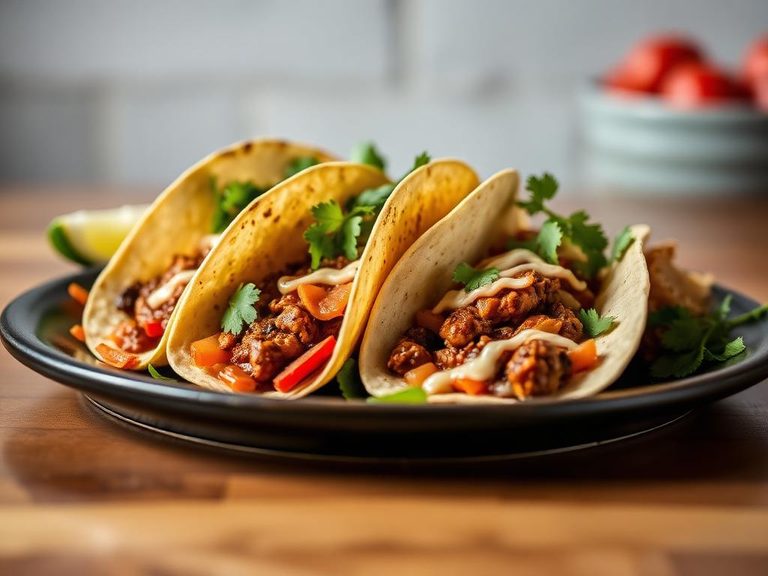
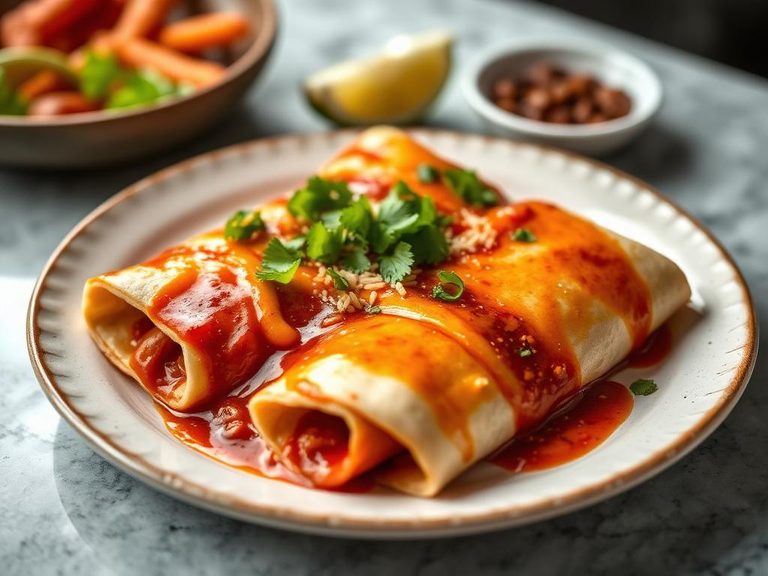
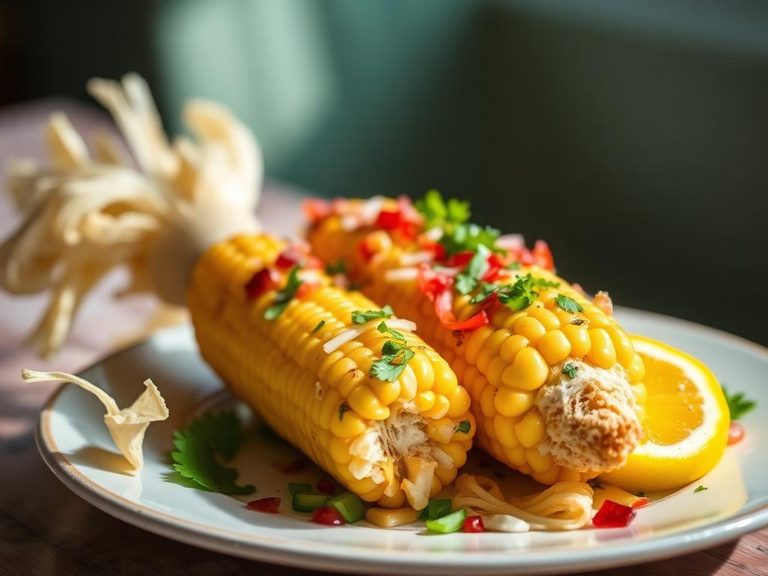
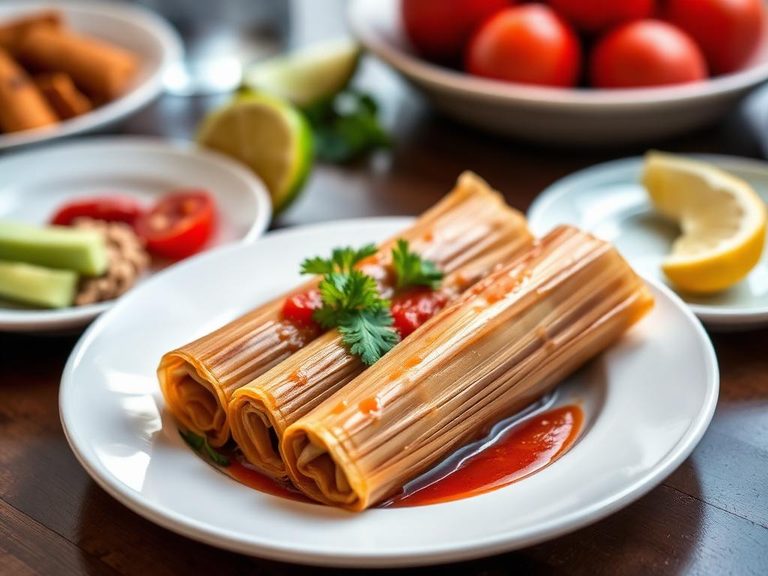
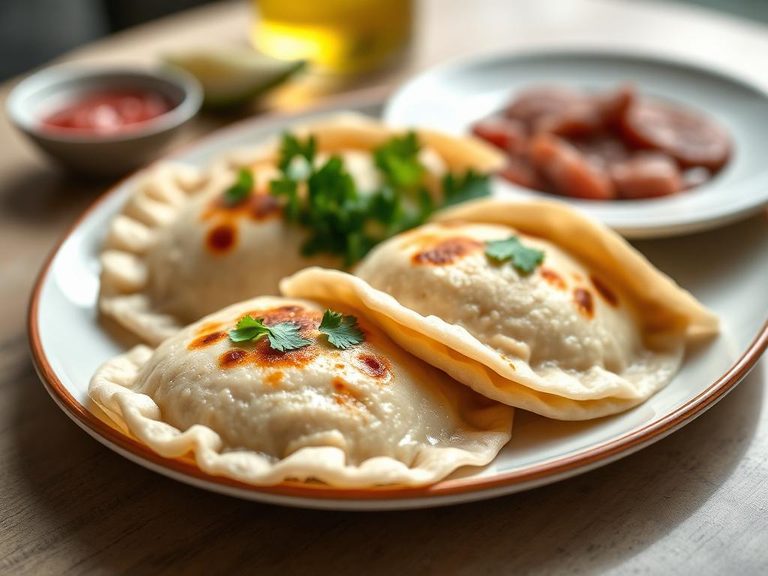
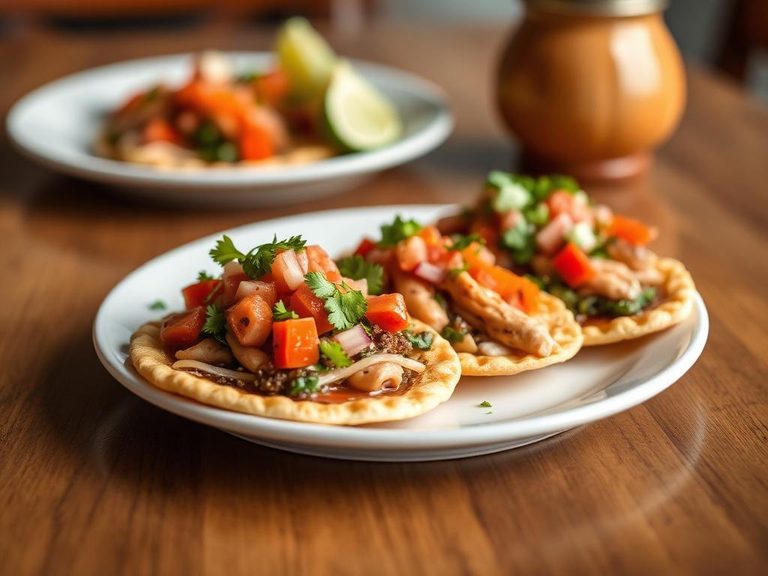
🌍 Where it's eaten
💡 Did you know?
Unlike many other cheeses, queso fresco is not aged; it is meant to be consumed fresh, often within a few days of being made, which gives it its characteristic mild flavor and high moisture content.
Full nutrition (USDA data · scales with serving)
| Water | 51.4 g |
| Energy (Atwater General Factors) | 298 kcal |
| Energy (Atwater Specific Factors) | 297 kcal |
| Nitrogen | 3.0 g |
| Protein | 18.9 g |
| Total lipid (fat) | 23.4 g |
| Ash | 3.4 g |
| Carbohydrate, by difference | 3.0 g |
| Calcium, Ca | 602 mg |
| Iron, Fe | 0.00 mg |
| Magnesium, Mg | 27.6 mg |
| Phosphorus, P | 390 mg |
| Potassium, K | 126 mg |
| Sodium, Na | 627 mg |
| Zinc, Zn | 2.9 mg |
| Copper, Cu | 0.00 mg |
| Manganese, Mn | 0.00 mg |
| Iodine, I | 79.9 ug |
| Retinol | 152 ug |
| Vitamin D (D2 + D3), International Units | 0.00 iu |
| Vitamin D (D2 + D3) | 0.00 ug |
| Vitamin D2 (ergocalciferol) | 0.00 ug |
| Vitamin D3 (cholecalciferol) | 0.00 ug |
Fat & fatty acid profile (per 100g)
| Fatty acids, total saturated | 13.9 g |
| SFA 12:0 | 0.75 g |
| SFA 14:0 | 2.3 g |
| SFA 16:0 | 6.6 g |
| SFA 18:0 | 2.1 g |
| Fatty acids, total monounsaturated | 5.0 g |
| PUFA 18:2 | 0.60 g |
| Cholesterol | 76.1 mg |
Amino acid profile (per 100g)
Estimated from Cheese, cottage, with vegetables — USDA does not publish this profile for Cheese.
| Tryptophan | 0.13 g |
| Threonine | 0.53 g |
| Isoleucine | 0.70 g |
| Leucine | 1.2 g |
| Lysine | 0.97 g |
| Methionine | 0.36 g |
| Cystine | 0.11 g |
| Phenylalanine | 0.65 g |
| Tyrosine | 0.64 g |
| Valine | 0.74 g |
| Arginine | 0.55 g |
| Histidine | 0.40 g |
| Alanine | 0.62 g |
| Aspartic acid | 0.82 g |
| Glutamic acid | 2.6 g |
| Glycine | 0.27 g |
| Proline | 1.4 g |
| Serine | 0.67 g |
FAQ
Is queso fresco the same as feta?
No, while both are crumbly white cheeses, queso fresco is made from cow's milk and has a milder, milky flavor, whereas feta is traditionally made from sheep's milk (or a sheep and goat milk blend) and is much saltier and tangier.
Can I eat queso fresco if I'm lactose intolerant?
Queso fresco is a fresh cheese and may contain some lactose, but its levels are generally lower than in milk. However, those with severe lactose intolerance should consult their doctor or try a small amount first.
How do I store queso fresco?
Store it in the refrigerator in its original packaging or in an airtight container with a little water to keep it moist. It is best consumed within 3-5 days of opening.
What is the best substitute for queso fresco?
If you can't find queso fresco, you can substitute it with paneer, ricotta salata, or even a mild, fresh goat cheese, though the flavor and texture will vary slightly.
Nutrient density (calculated · NRF9.3)
Nutrient Rich Foods index: beneficial nutrients (protein, fiber, vitamins, minerals) minus saturated fat, added sugar & sodium, per 100 kcal.
NRF9.3 index — Fulgoni, Keast & Drewnowski, 2009. Computed from USDA nutrients.
Weight-loss friendliness (composite index)
Energy density 2.98 kcal/g · 25% calories from protein · 0.0 g fiber · 0.0 g sugar per 100 g.
Composite of energy density (Rolls et al., 1999), protein & fiber satiety, minus sugar. A calculated heuristic — ranks satiety-per-calorie, not a clinical measure.
Dietary load (calculated from USDA values)
Potential renal acid load. Positive = acid-forming, negative = alkaline-forming.
Sodium-to-potassium ratio: 4.96 (lower is better — aim for ≤ 1)
Sodium:potassium per WHO potassium guidance. Computed from USDA nutrients.