

Cheese, provolone, sliced
Whole food · Dairy and Egg Products

Photo: Wikipedia
Provolone is a semi-hard Italian cow's milk cheese with a smooth, pale-yellow paste and a mild, slightly tangy flavor that sharpens with age. Its firm yet supple texture makes it ideal for slicing, melting, and grating, delivering a rich, buttery mouthfeel. Nutritionally, it's a powerhouse of protein and fat, offering a dense source of calories with minimal carbohydrates.
Calorie split: 26% protein · 3% carbs · 71% fat
↓ Full nutrition💚 Why it's loved
People adore provolone for its perfect balance of meltability and flavor—it becomes gooey and stretchy when heated without overwhelming other ingredients. Its versatility shines from a classic Philly cheesesteak to a simple caprese salad, making it a staple in both quick meals and elaborate dishes.
⚠️ Watch-outs & how to enjoy it better
Provolone is high in sodium and saturated fat, which may be a concern for those monitoring heart health or blood pressure. To counteract this, use it as a flavor accent rather than the main ingredient, pair it with potassium-rich vegetables like spinach or tomatoes, and opt for smaller portions. It's also a dairy product, making it unsuitable for those with milk allergies or severe lactose intolerance.
Key benefits
- Excellent source of high-quality protein for muscle maintenance.
- Rich in calcium for bone and dental health.
- Provides conjugated linoleic acid (CLA), a fatty acid studied for metabolic benefits.
- Contains vitamin A for vision and immune function.
- Low in lactose due to the cheesemaking process.
🍽️ Popular dishes
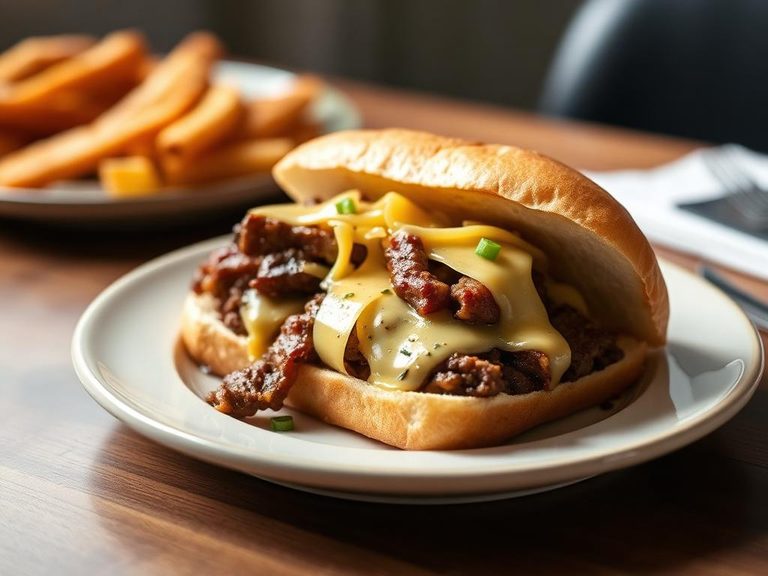
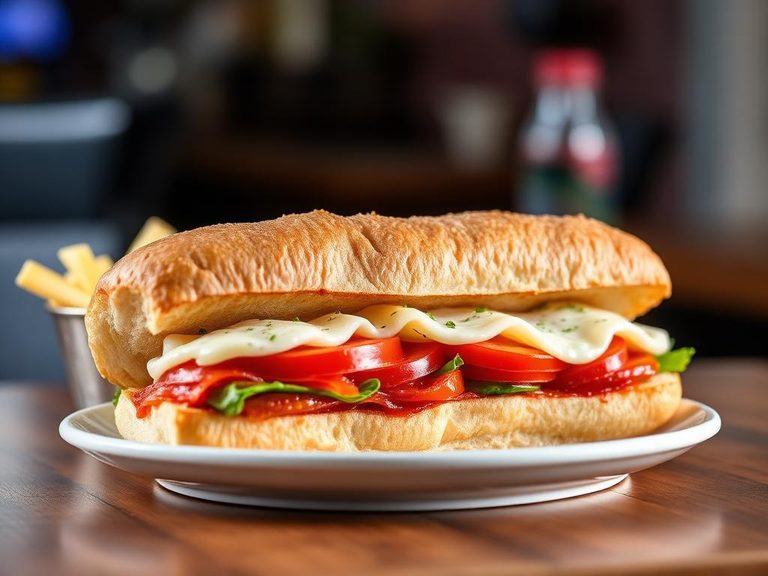
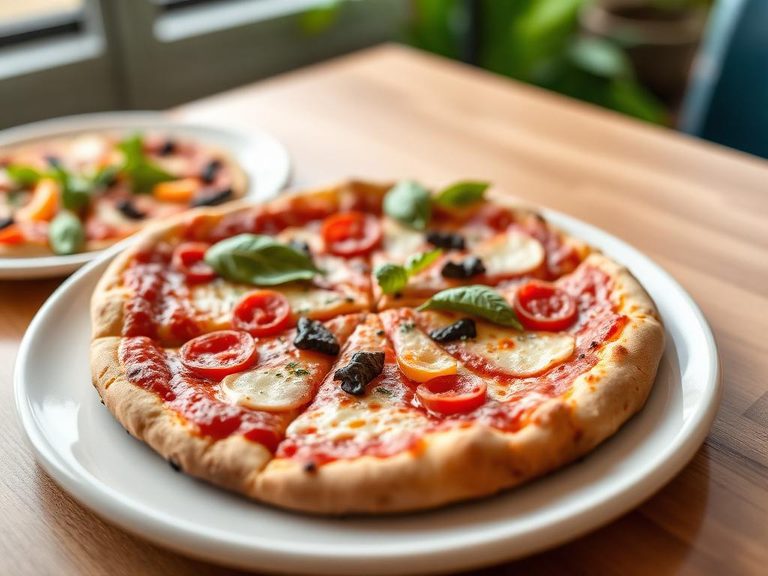
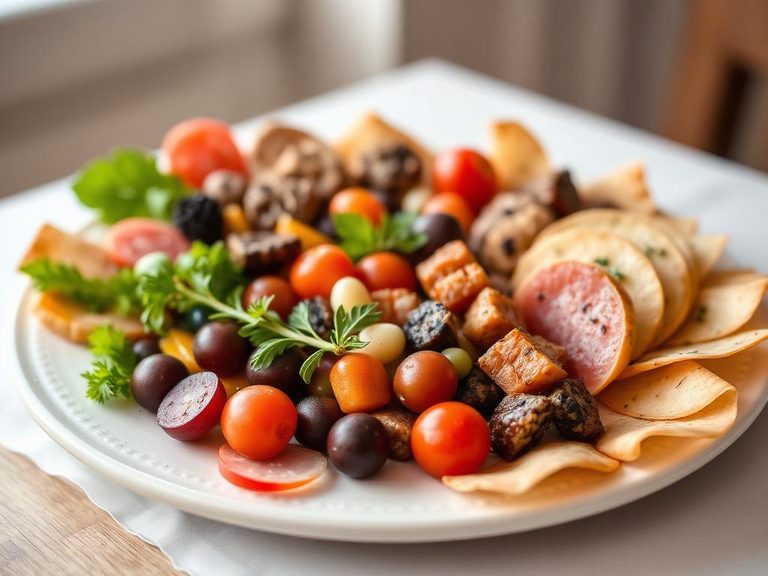
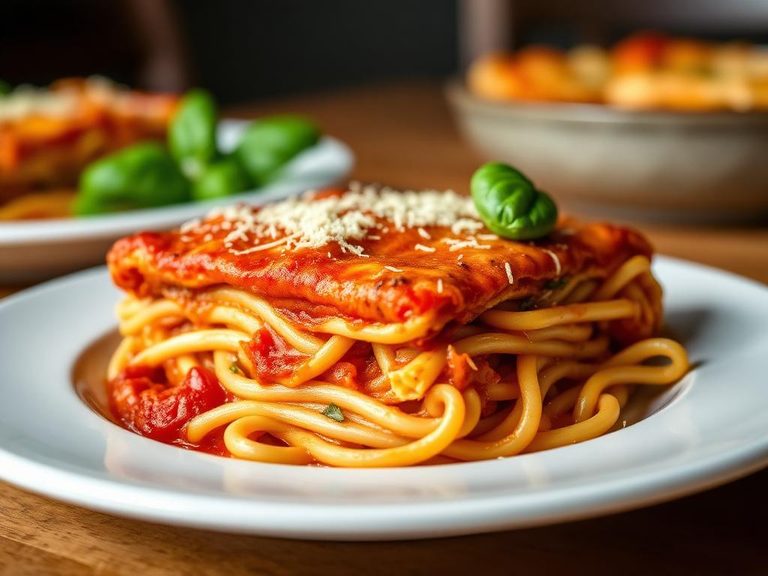
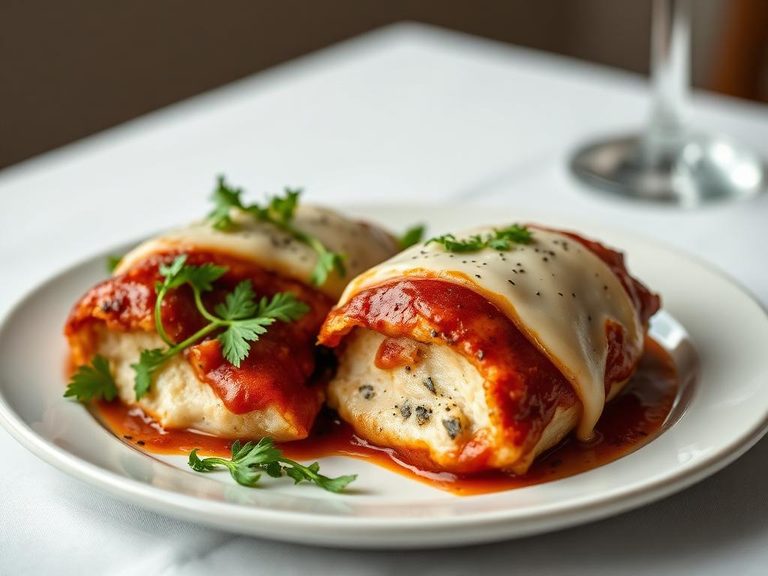
🌍 Where it's eaten
💡 Did you know?
Provolone is a 'pasta filata' cheese, meaning its curds are stretched in hot water, a technique that gives it its characteristic stringy melt and smooth texture, similar to mozzarella but aged longer.
Full nutrition (USDA data · scales with serving)
| Water | 42.3 g |
| Energy (Atwater General Factors) | 357 kcal |
| Energy (Atwater Specific Factors) | 357 kcal |
| Nitrogen | 3.7 g |
| Protein | 23.5 g |
| Total lipid (fat) | 28.1 g |
| Ash | 3.6 g |
| Carbohydrate, by difference | 2.5 g |
| Calcium, Ca | 749 mg |
| Iron, Fe | 0.00 mg |
| Magnesium, Mg | 29.5 mg |
| Phosphorus, P | 494 mg |
| Potassium, K | 94.8 mg |
| Sodium, Na | 601 mg |
| Zinc, Zn | 3.9 mg |
| Copper, Cu | 0.00 mg |
| Manganese, Mn | 0.03 mg |
| Iodine, I | 64.3 ug |
| Retinol | 200 ug |
| Vitamin D (D2 + D3), International Units | 0.00 iu |
| Vitamin D (D2 + D3) | 0.00 ug |
| Vitamin D2 (ergocalciferol) | 0.00 ug |
| Vitamin D3 (cholecalciferol) | 0.00 ug |
Fat & fatty acid profile (per 100g)
| Fatty acids, total saturated | 16.2 g |
| SFA 12:0 | 0.84 g |
| SFA 14:0 | 2.6 g |
| SFA 16:0 | 8.0 g |
| SFA 18:0 | 2.3 g |
| Fatty acids, total monounsaturated | 5.7 g |
| PUFA 18:2 | 0.57 g |
| Cholesterol | 85.4 mg |
Amino acid profile (per 100g)
Estimated from Cheese, cottage, with vegetables — USDA does not publish this profile for Cheese.
| Tryptophan | 0.13 g |
| Threonine | 0.53 g |
| Isoleucine | 0.70 g |
| Leucine | 1.2 g |
| Lysine | 0.97 g |
| Methionine | 0.36 g |
| Cystine | 0.11 g |
| Phenylalanine | 0.65 g |
| Tyrosine | 0.64 g |
| Valine | 0.74 g |
| Arginine | 0.55 g |
| Histidine | 0.40 g |
| Alanine | 0.62 g |
| Aspartic acid | 0.82 g |
| Glutamic acid | 2.6 g |
| Glycine | 0.27 g |
| Proline | 1.4 g |
| Serine | 0.67 g |
FAQ
What's the difference between provolone dolce and provolone piccante?
Provolone dolce (sweet) is aged for about 3 months, resulting in a mild, milky flavor. Provolone piccante (spicy) is aged for at least 12 months, often with a piquant note from the addition of lipase, giving it a sharper, more pungent taste.
How should I store provolone cheese?
Wrap it tightly in wax paper or cheese paper, then place it in a loosely sealed plastic bag in the refrigerator's crisper drawer. This allows it to breathe while preventing it from drying out. It can last for several weeks this way.
Can I freeze provolone?
Yes, but the texture will become crumbly and less ideal for slicing or eating fresh. It's best used for cooked dishes after freezing. Wrap it well in plastic wrap and foil, and use within 2-3 months.
Nutrient density (calculated · NRF9.3)
Nutrient Rich Foods index: beneficial nutrients (protein, fiber, vitamins, minerals) minus saturated fat, added sugar & sodium, per 100 kcal.
NRF9.3 index — Fulgoni, Keast & Drewnowski, 2009. Computed from USDA nutrients.
Weight-loss friendliness (composite index)
Energy density 3.57 kcal/g · 26% calories from protein · 0.0 g fiber · 0.0 g sugar per 100 g.
Composite of energy density (Rolls et al., 1999), protein & fiber satiety, minus sugar. A calculated heuristic — ranks satiety-per-calorie, not a clinical measure.
Dietary load (calculated from USDA values)
Potential renal acid load. Positive = acid-forming, negative = alkaline-forming.
Sodium-to-potassium ratio: 6.34 (lower is better — aim for ≤ 1)
Sodium:potassium per WHO potassium guidance. Computed from USDA nutrients.