

Cheese, cotija, solid
Whole food · Dairy and Egg Products

Photo: Wikipedia
Cotija is a hard, crumbly, aged Mexican cheese often called the 'Parmesan of Mexico.' It has a sharp, salty, and tangy flavor with a dry, granular texture that doesn't melt, but rather softens when heated. Nutritionally, it's a protein-dense, low-carb, high-fat cheese, providing a significant calorie boost in small amounts.
Calorie split: 27% protein · 3% carbs · 70% fat
↓ Full nutrition💚 Why it's loved
People love cotija for its powerful, salty punch that instantly elevates simple dishes like tacos, elotes, and beans. Its crumbly texture provides a perfect savory finish, and it's deeply embedded in Mexican culinary tradition as a finishing cheese.
⚠️ Watch-outs & how to enjoy it better
Its very high sodium content can be a concern for those monitoring salt intake, and it is a dairy product, making it unsuitable for lactose-intolerant individuals or those with a milk allergy. To mitigate sodium, use it sparingly as a garnish rather than a main ingredient, and pair it with potassium-rich foods like beans or avocado.
Key benefits
- Excellent source of complete protein (24g per 100g)
- Very low in carbohydrates and sugars
- Provides calcium and phosphorus for bone health
- High in fat-soluble vitamins like Vitamin A
- Adds intense flavor without needing large portions
🍽️ Popular dishes
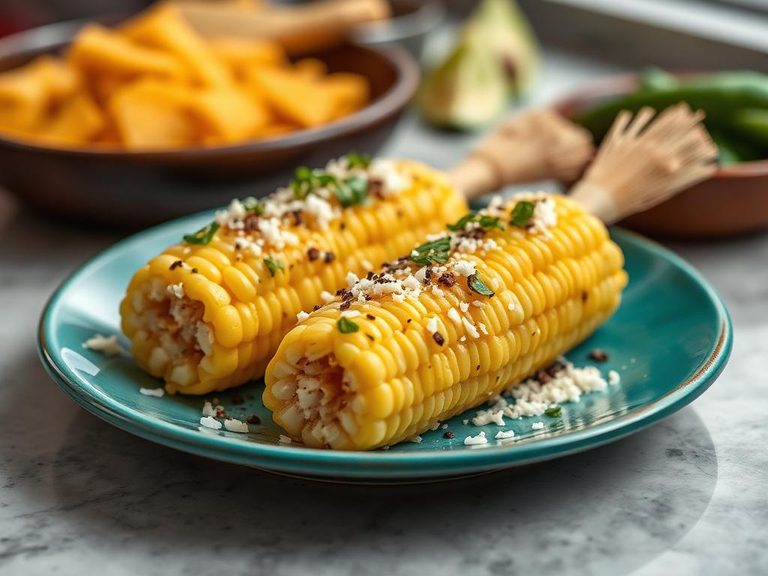
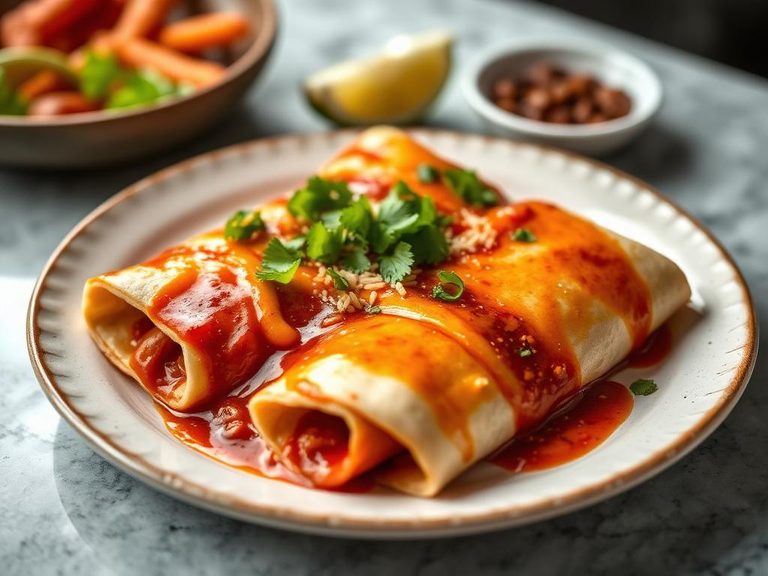
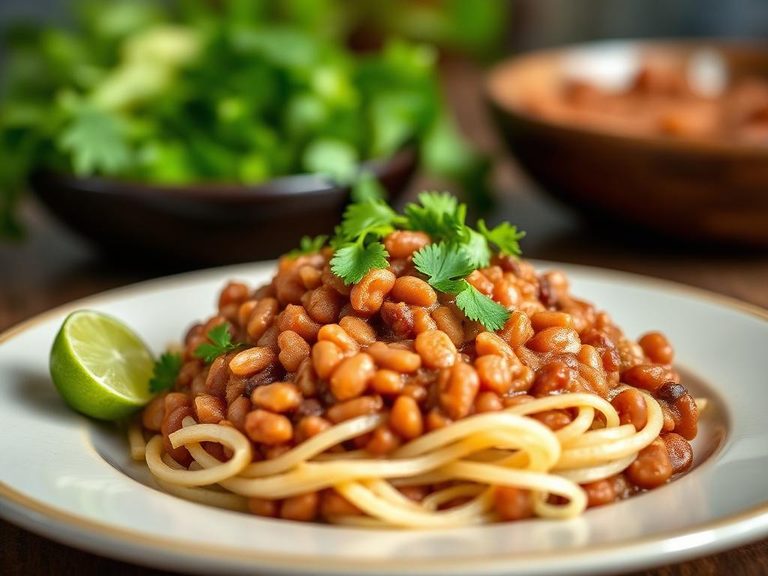
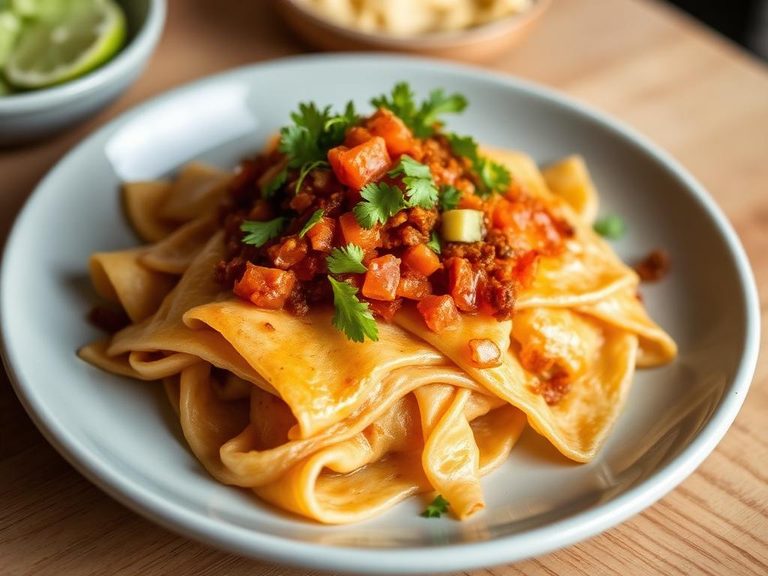
🌍 Where it's eaten
💡 Did you know?
Authentic cotija is traditionally made in the town of Cotija de la Paz in the state of Michoacán, Mexico, and its production is a point of regional pride.
Full nutrition (USDA data · scales with serving)
| Water | 40.0 g |
| Energy (Atwater General Factors) | 351 kcal |
| Energy (Atwater Specific Factors) | 352 kcal |
| Nitrogen | 3.7 g |
| Protein | 23.8 g |
| Total lipid (fat) | 27.2 g |
| Ash | 6.2 g |
| Carbohydrate, by difference | 2.7 g |
| Calcium, Ca | 700 mg |
| Iron, Fe | 0.00 mg |
| Magnesium, Mg | 29.9 mg |
| Phosphorus, P | 486 mg |
| Potassium, K | 117 mg |
| Sodium, Na | 1625 mg |
| Zinc, Zn | 3.6 mg |
| Copper, Cu | 0.00 mg |
| Manganese, Mn | 0.02 mg |
| Iodine, I | 64.8 ug |
| Retinol | 167 ug |
| Vitamin D (D2 + D3), International Units | 0.00 iu |
| Vitamin D (D2 + D3) | 0.00 ug |
| Vitamin D2 (ergocalciferol) | 0.00 ug |
| Vitamin D3 (cholecalciferol) | 0.00 ug |
Fat & fatty acid profile (per 100g)
| Fatty acids, total saturated | 15.9 g |
| SFA 12:0 | 0.84 g |
| SFA 14:0 | 2.6 g |
| SFA 16:0 | 7.4 g |
| SFA 18:0 | 2.6 g |
| Fatty acids, total monounsaturated | 5.9 g |
| PUFA 18:2 | 0.71 g |
| Cholesterol | 89.3 mg |
Amino acid profile (per 100g)
Estimated from Cheese, cottage, with vegetables — USDA does not publish this profile for Cheese.
| Tryptophan | 0.13 g |
| Threonine | 0.53 g |
| Isoleucine | 0.70 g |
| Leucine | 1.2 g |
| Lysine | 0.97 g |
| Methionine | 0.36 g |
| Cystine | 0.11 g |
| Phenylalanine | 0.65 g |
| Tyrosine | 0.64 g |
| Valine | 0.74 g |
| Arginine | 0.55 g |
| Histidine | 0.40 g |
| Alanine | 0.62 g |
| Aspartic acid | 0.82 g |
| Glutamic acid | 2.6 g |
| Glycine | 0.27 g |
| Proline | 1.4 g |
| Serine | 0.67 g |
FAQ
Can I melt cotija cheese?
No, cotija is an aged, low-moisture cheese that does not melt smoothly. When heated, it will soften and become slightly chewy but won't form a gooey layer. It's best used as a finishing cheese, sprinkled on after cooking.
What's a good substitute for cotija?
For a similar salty, crumbly texture, use Parmesan or Pecorino Romano. For a milder flavor, queso fresco can work, though it's softer and less salty. Feta is another option, but it has a distinct tang.
How should I store cotija cheese?
Wrap it tightly in plastic wrap or place it in an airtight container in the refrigerator. It can last for several weeks. For longer storage, you can freeze it, though the texture may become more crumbly upon thawing.
Nutrient density (calculated · NRF9.3)
Nutrient Rich Foods index: beneficial nutrients (protein, fiber, vitamins, minerals) minus saturated fat, added sugar & sodium, per 100 kcal.
NRF9.3 index — Fulgoni, Keast & Drewnowski, 2009. Computed from USDA nutrients.
Weight-loss friendliness (composite index)
Energy density 3.51 kcal/g · 27% calories from protein · 0.0 g fiber · 0.0 g sugar per 100 g.
Composite of energy density (Rolls et al., 1999), protein & fiber satiety, minus sugar. A calculated heuristic — ranks satiety-per-calorie, not a clinical measure.
Dietary load (calculated from USDA values)
Potential renal acid load. Positive = acid-forming, negative = alkaline-forming.
Sodium-to-potassium ratio: 13.92 (lower is better — aim for ≤ 1)
Sodium:potassium per WHO potassium guidance. Computed from USDA nutrients.