

Sweet potato leaves, raw
Whole food · Vegetables and Vegetable Products

Photo: Wikipedia
Sweet potato leaves are the tender, vibrant green shoots of the sweet potato plant, offering a delicate, slightly earthy flavor with a hint of spinach-like sweetness. Their texture is soft and succulent when cooked, making them a versatile leafy green. Nutritionally, they are a standout source of fiber and plant-based protein for a vegetable, with a very low calorie count.
Calorie split: 20% protein · 71% carbs · 9% fat
↓ Full nutrition💚 Why it's loved
People love sweet potato leaves for their mild, pleasant taste that readily absorbs the flavors of garlic, ginger, or savory sauces. They are cherished in many cuisines as a sustainable, nutritious green that can be harvested from the same plant that produces the tuber.
⚠️ Watch-outs & how to enjoy it better
The leaves contain oxalates, which can be a concern for individuals prone to kidney stones. To reduce oxalate content, blanch the leaves in boiling water for 1-2 minutes and discard the water before stir-frying or adding to soups. They should be consumed in moderation by those on blood-thinning medications due to their high vitamin K content.
Key benefits
- Excellent source of dietary fiber (5.3g per 100g)
- Good plant-based protein content (2.49g per 100g)
- Very low in fat and calories
- Rich in vitamins A, C, and K
- Contains antioxidants like lutein and zeaxanthin
🍽️ Popular dishes
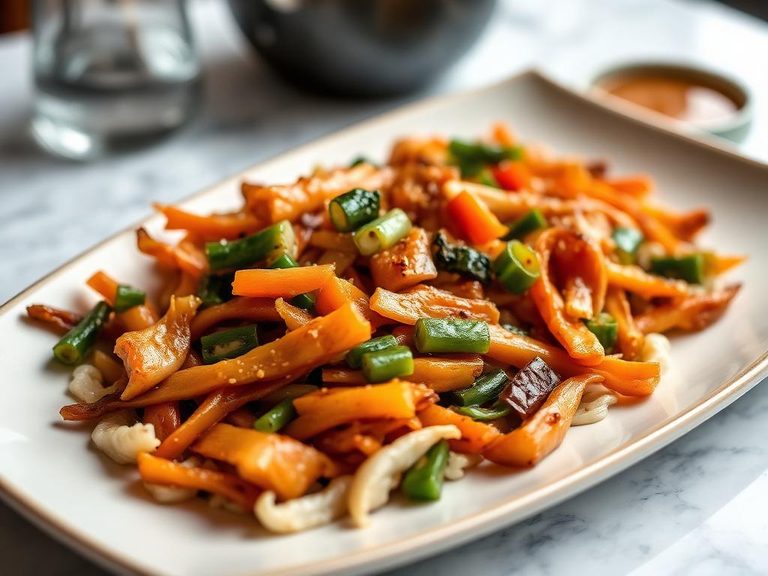
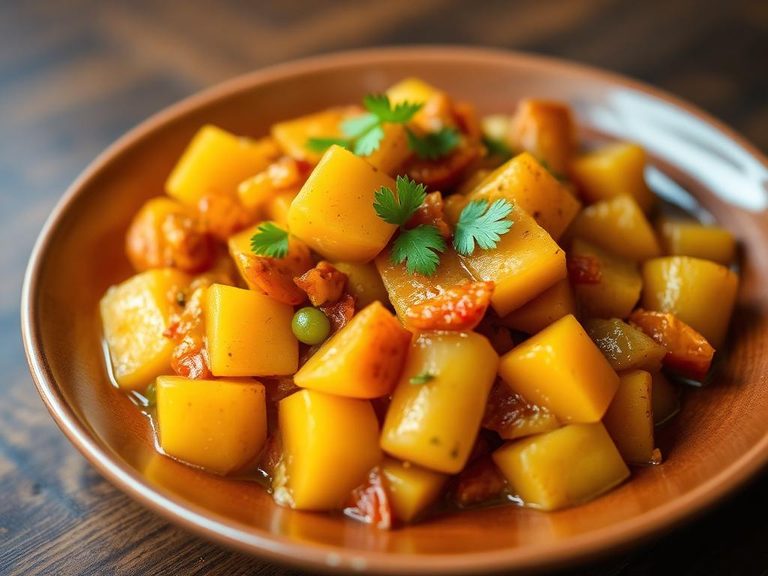
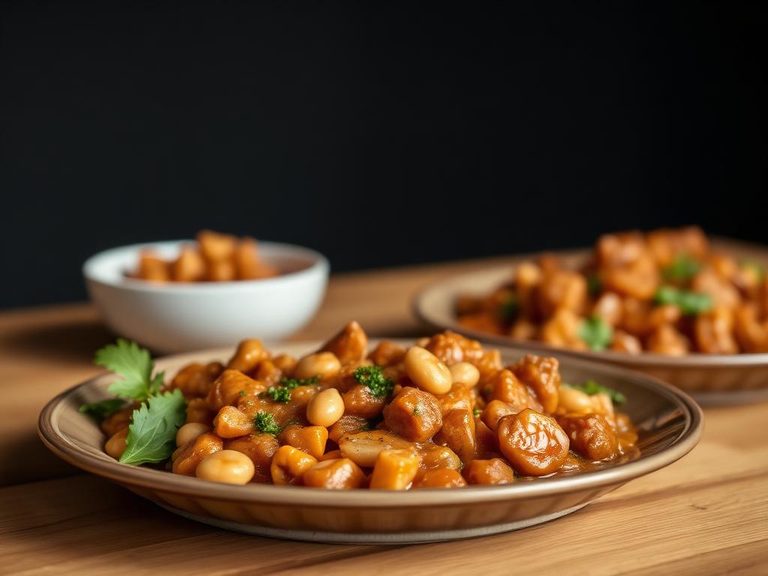
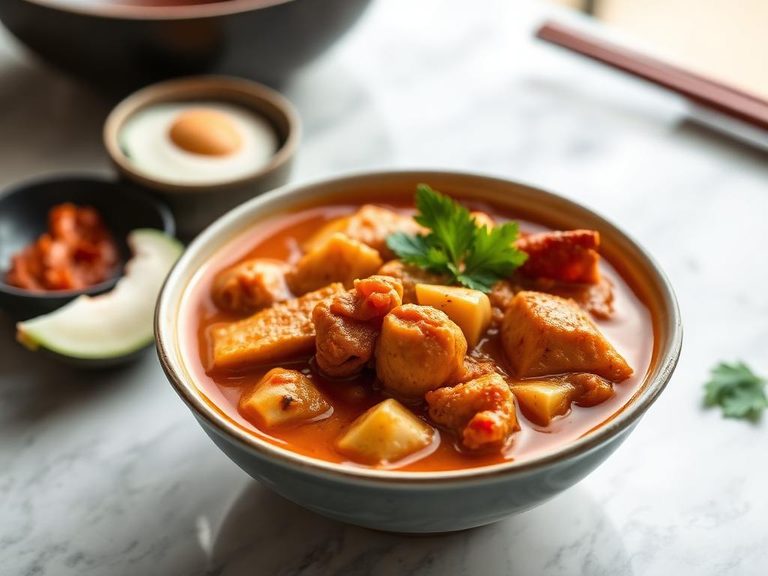
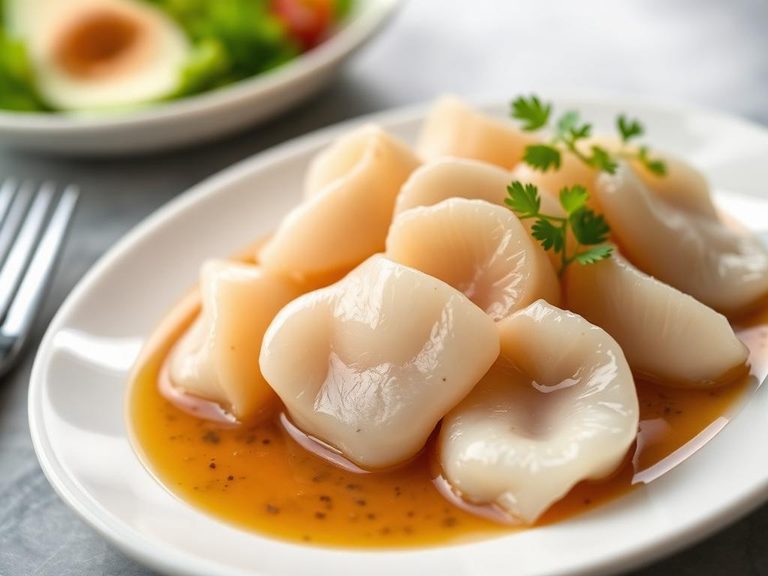
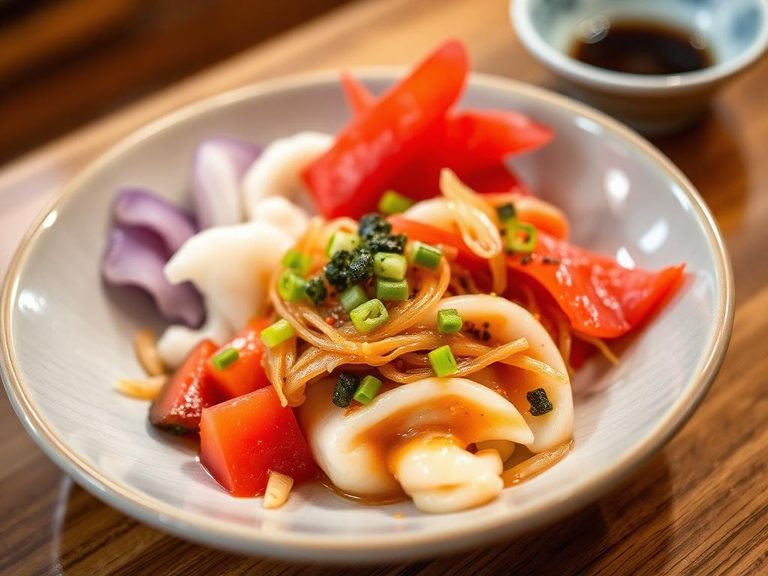
🌍 Where it's eaten
💡 Did you know?
Unlike most leafy greens, sweet potato leaves are a 'two-for-one' crop; they are actively cultivated and harvested in many regions specifically for their greens, not just as a byproduct of the root vegetable.
Full nutrition (USDA data · scales with serving)
| Water | 86.8 g |
| Energy | 42.0 kcal |
| Energy | 175 kj |
| Protein | 2.5 g |
| Total lipid (fat) | 0.51 g |
| Ash | 1.4 g |
| Carbohydrate, by difference | 8.8 g |
| Fiber, total dietary | 5.3 g |
| Calcium, Ca | 78.0 mg |
| Iron, Fe | 0.97 mg |
| Magnesium, Mg | 70.0 mg |
| Phosphorus, P | 81.0 mg |
| Potassium, K | 508 mg |
| Sodium, Na | 6.0 mg |
| Selenium, Se | 0.90 ug |
| Vitamin C, total ascorbic acid | 11.0 mg |
| Thiamin | 0.16 mg |
| Riboflavin | 0.34 mg |
| Niacin | 1.1 mg |
| Pantothenic acid | 0.23 mg |
| Vitamin B-6 | 0.19 mg |
| Folic acid | 0.00 ug |
| Folate, food | 1.0 ug |
| Folate, DFE | 1.0 ug |
| Vitamin B-12 | 0.00 ug |
| Vitamin A, RAE | 189 ug |
| Retinol | 0.00 ug |
| Carotene, beta | 2217 ug |
| Carotene, alpha | 42.0 ug |
| Cryptoxanthin, beta | 58.0 ug |
| Vitamin A, IU | 3778 iu |
| Lycopene | 0.00 ug |
| Lutein + zeaxanthin | 14720 ug |
| Vitamin D (D2 + D3), International Units | 0.00 iu |
| Vitamin D (D2 + D3) | 0.00 ug |
| Vitamin K (phylloquinone) | 302 ug |
Fat & fatty acid profile (per 100g)
| Fatty acids, total saturated | 0.11 g |
| SFA 16:0 | 0.10 g |
| SFA 18:0 | 0.01 g |
| Fatty acids, total monounsaturated | 0.02 g |
| MUFA 18:1 | 0.02 g |
| Fatty acids, total polyunsaturated | 0.23 g |
| PUFA 18:2 | 0.19 g |
| PUFA 18:3 | 0.04 g |
| Fatty acids, total trans | 0.00 g |
| Cholesterol | 0.00 mg |
Amino acid profile (per 100g)
| Tryptophan | 0.04 g |
| Lysine | 0.23 g |
| Methionine | 0.09 g |
| Cystine | 0.05 g |
FAQ
Are sweet potato leaves edible raw?
While they can be eaten raw in salads when very young and tender, they are almost always cooked. Cooking softens their texture, reduces oxalate levels, and makes nutrients more bioavailable.
How do I prepare them?
Wash thoroughly, then separate leaves from tougher stems. A quick blanch followed by a stir-fry with garlic and a splash of soy sauce is a simple, delicious method.
What do they taste like?
They have a mild, slightly sweet and earthy flavor, often compared to a cross between spinach and water spinach (kangkong), but with a more delicate taste.
Nutrient density (calculated · NRF9.3)
Nutrient Rich Foods index: beneficial nutrients (protein, fiber, vitamins, minerals) minus saturated fat, added sugar & sodium, per 100 kcal.
NRF9.3 index — Fulgoni, Keast & Drewnowski, 2009. Computed from USDA nutrients.
Weight-loss friendliness (composite index)
Energy density 0.42 kcal/g · 24% calories from protein · 5.3 g fiber · 0.0 g sugar per 100 g.
Composite of energy density (Rolls et al., 1999), protein & fiber satiety, minus sugar. A calculated heuristic — ranks satiety-per-calorie, not a clinical measure.
Dietary load (calculated from USDA values)
Potential renal acid load. Positive = acid-forming, negative = alkaline-forming.
Sodium-to-potassium ratio: 0.01 (lower is better — aim for ≤ 1)
Sodium:potassium per WHO potassium guidance. Computed from USDA nutrients.