Blanched and served with oyster sauce
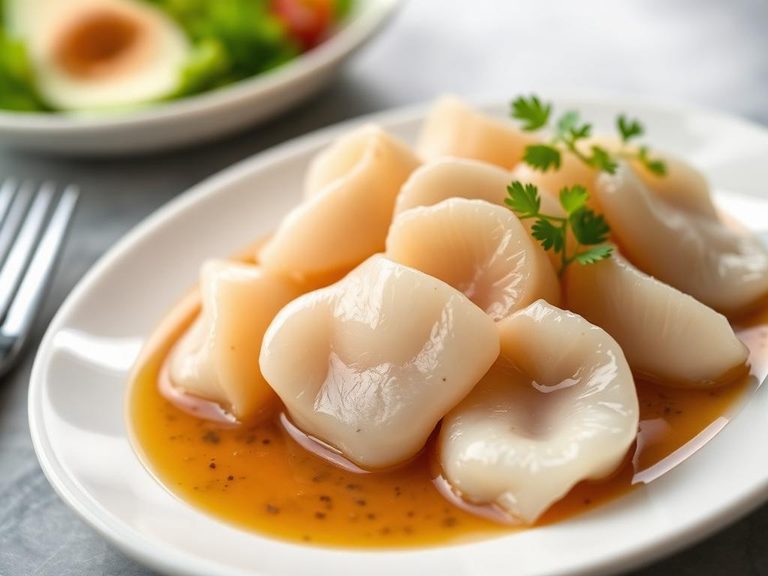
This classic Cantonese dish features crisp, vibrant green vegetables that have been briefly blanched in boiling water and then drizzled with a savory, umami-rich oyster sauce. It's a staple in Chinese cuisine, often made with vegetables like bok choy, gai lan (Chinese broccoli), or choy sum, prized for highlighting the fresh flavor and texture of the greens.
🍽️ Nutrition at a glance
This dish is very low in carbohydrates and fat, with a moderate amount of protein primarily from the oyster sauce. It's an excellent source of dietary fiber, vitamins A, C, and K, and provides key minerals like potassium and calcium, with a typical serving containing roughly 80-120 calories.
Nutrition breakdown
| Calories | 95 kcal |
| Protein | 5.5 g |
| Carbs | 8 g |
| Fat | 4.5 g |
| Fiber | 3.5 g |
| Sugar | 2.5 g |
| Sodium | 620 mg |
| Vitamin K | 180 mcg |
| Vitamin C | 45 mg |
| Vitamin A | 3500 IU |
| Potassium | 380 mg |
| Calcium | 120 mg |
| Iron | 1.8 mg |
| Folate | 60 mcg |
| Manganese | 0.4 mg |
Per 1 cup (180 g) of blanched gai lan with oyster sauce · estimated, varies by recipe
💡 What's interesting
Culturally, this dish embodies the Cantonese culinary philosophy of 'wok hei' (breath of the wok) and the importance of preserving the natural color, crunch, and nutrients of fresh ingredients through quick cooking. Nutritionally, blanching is a gentle cooking method that helps retain more water-soluble vitamins (like vitamin C) compared to prolonged boiling.
🍽️ Related dishes
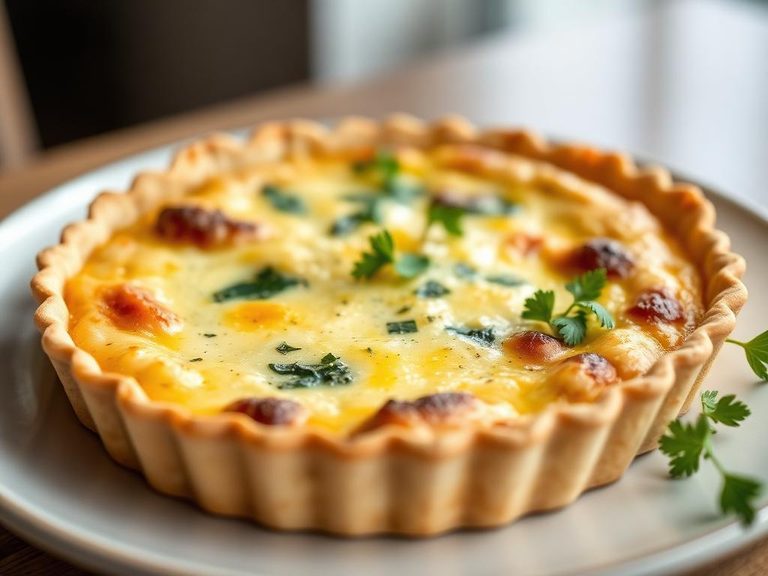 Blanched and used in Quiche
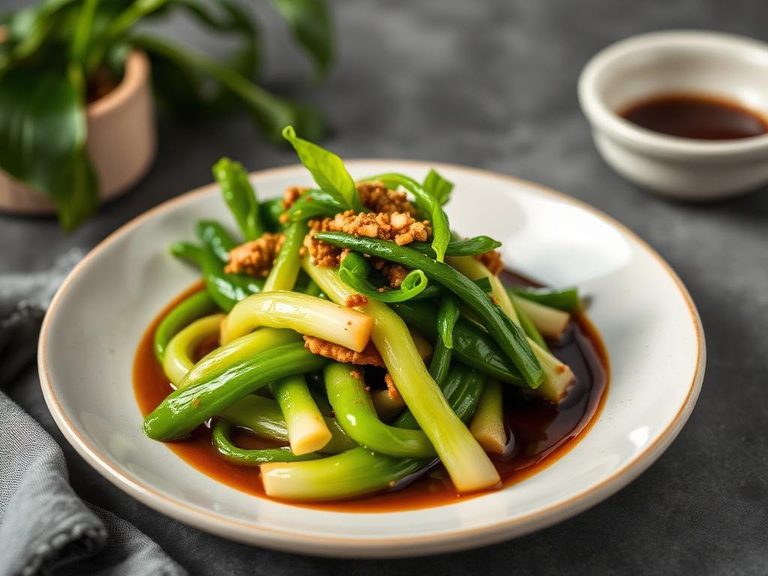 Blanched Gai Lan with Soy Sauce
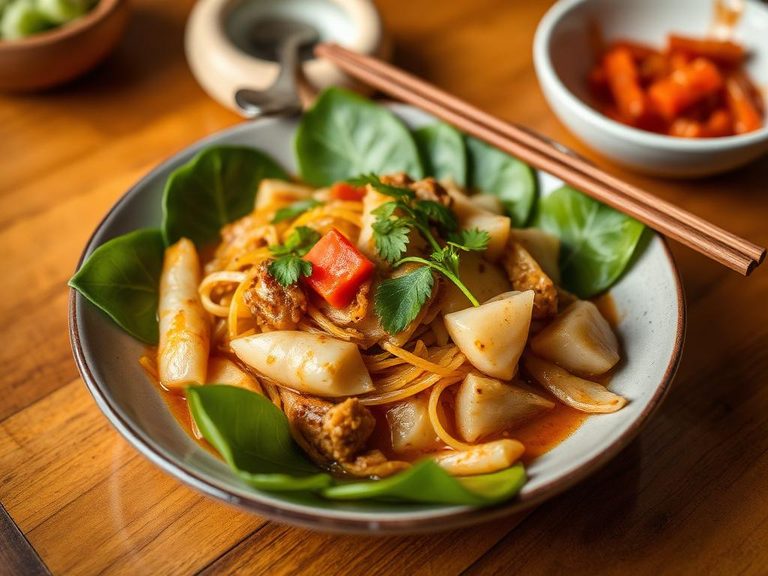 Nam Phrik Kapi with Blanched Bitter Gourd Leaves (Thai)
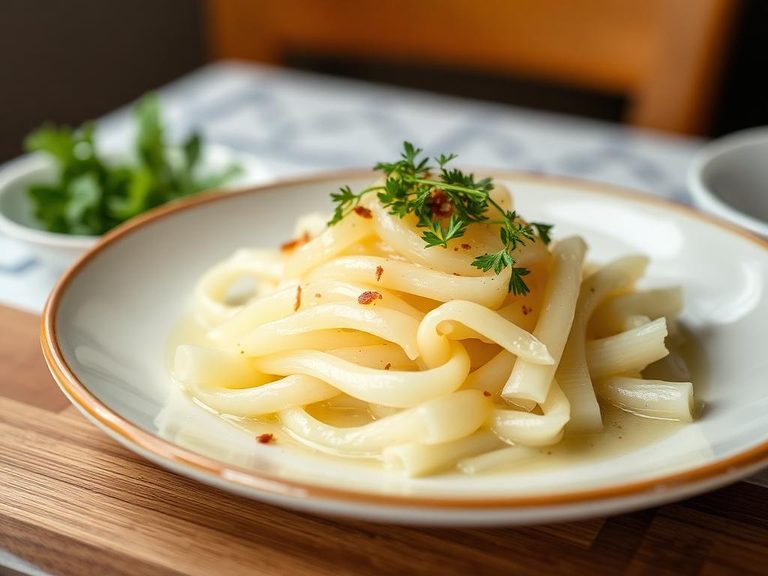 Blanched and Served as a Side
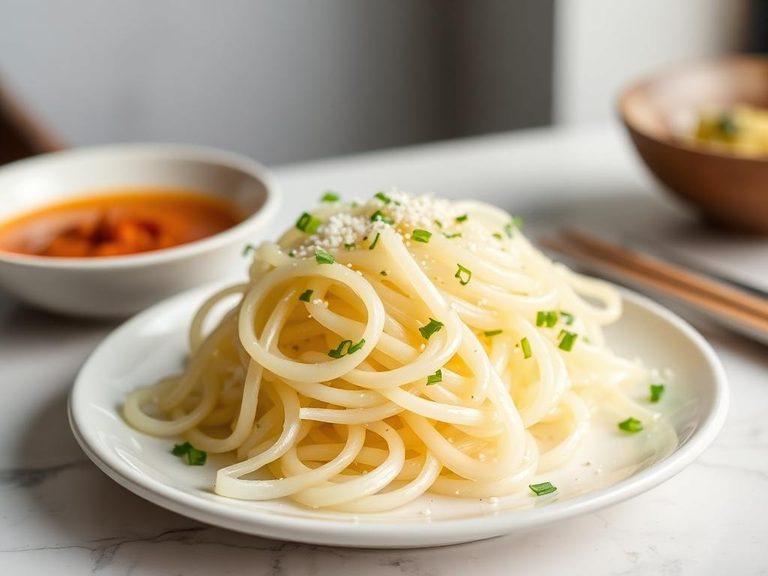 Blanched and dressed with sesame oil and salt
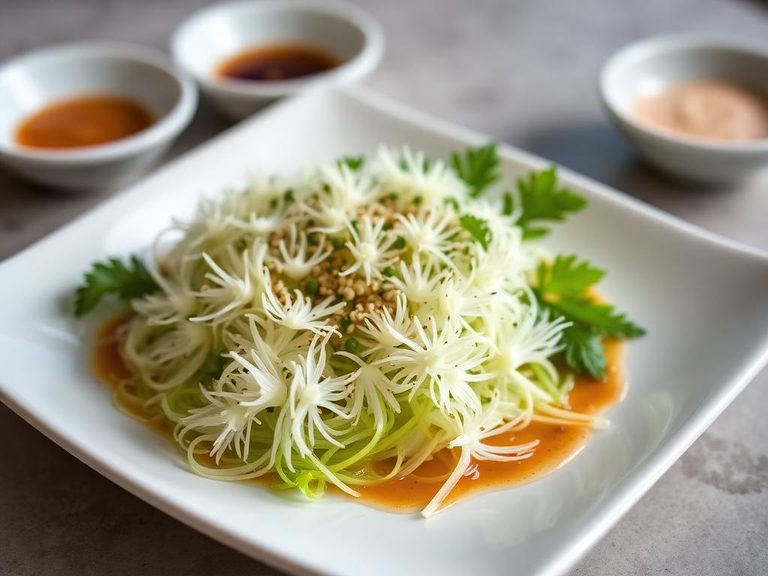 Blanched Chrysanthemum with Sesame Dressing
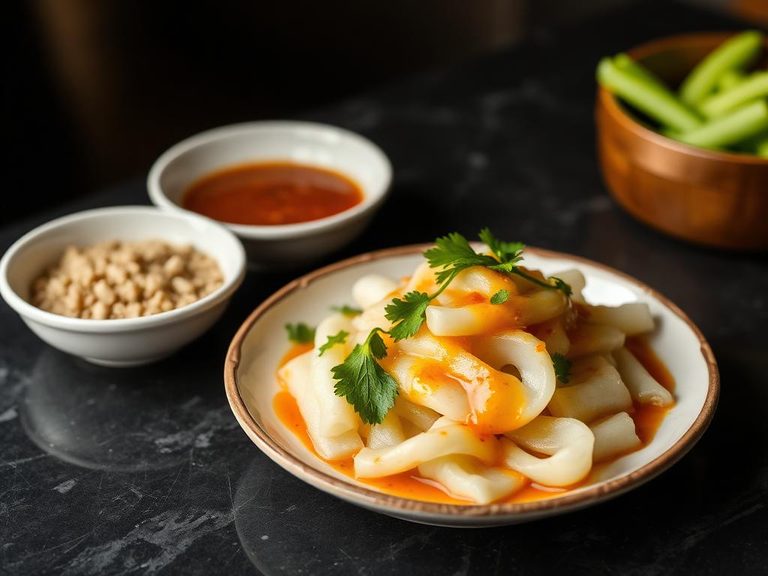 Blanched as a simple side dish with sambal
 Blanched and served as a simple side dish