

Stew, moose (Alaska Native)
Whole food · American Indian/Alaska Native Foods

Photo: Wikipedia
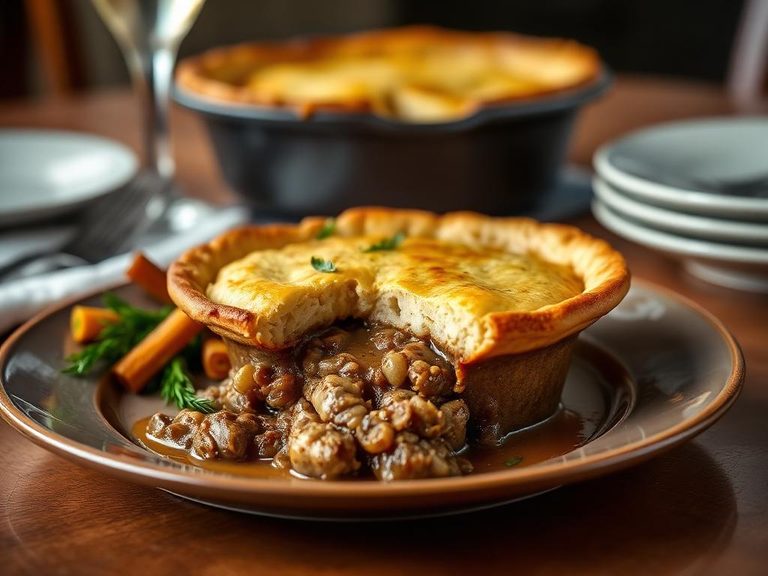
This is a traditional, hearty stew made from the lean, dark meat of moose, a staple in Alaskan Native and other northern indigenous cuisines. The meat is slow-cooked until tender, resulting in a rich, savory, and deeply meaty flavor with a firm yet yielding texture. Nutritionally, it is exceptionally lean, providing high-quality protein with minimal fat and calories.
Calorie split: 48% protein · 44% carbs · 8% fat
↓ Full nutrition💚 Why it's loved
People cherish it for its robust, gamey flavor that embodies the wilderness, and its role as a cultural touchstone connecting generations through shared meals and subsistence traditions.
⚠️ Watch-outs & how to enjoy it better
The strong, distinct game taste can be unfamiliar or off-putting to those accustomed to milder meats. To temper this, it's often simmered with aromatic vegetables and herbs, or marinated before cooking. Its leanness means it can become dry if overcooked, so slow, moist cooking methods are essential.
Key benefits
- Excellent source of lean, complete protein
- Very low in fat and calories
- Naturally free of carbohydrates and sugars
- Rich in iron and B vitamins from red meat
- A sustainable, wild-harvested protein source
🍽️ Popular dishes
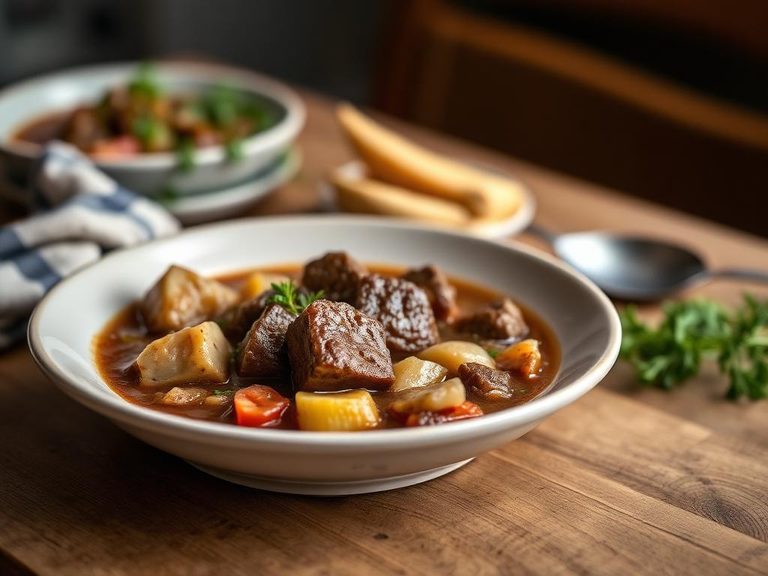
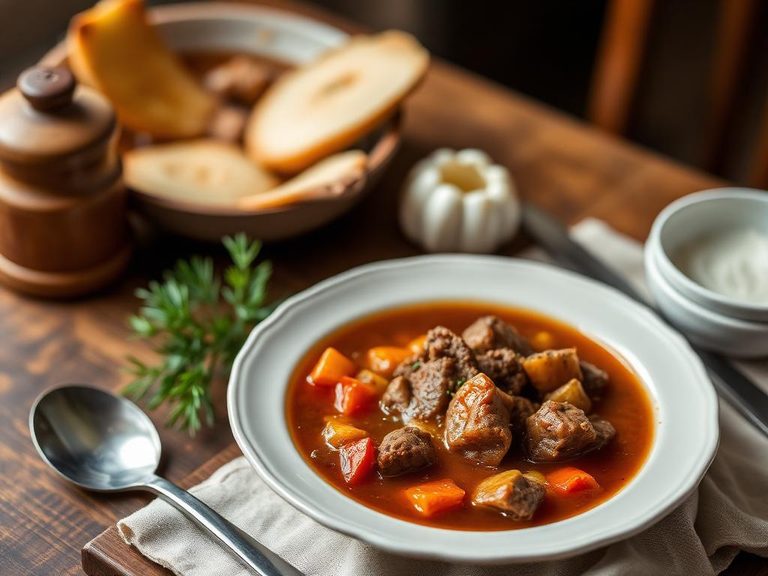
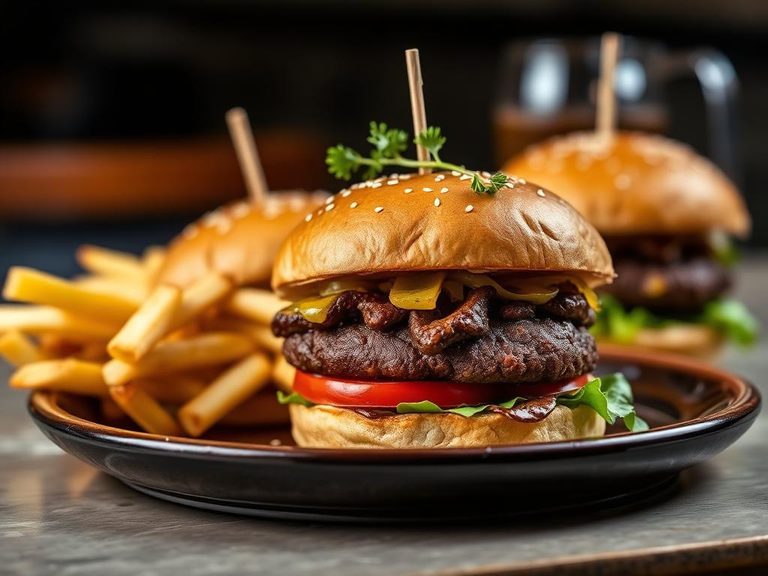
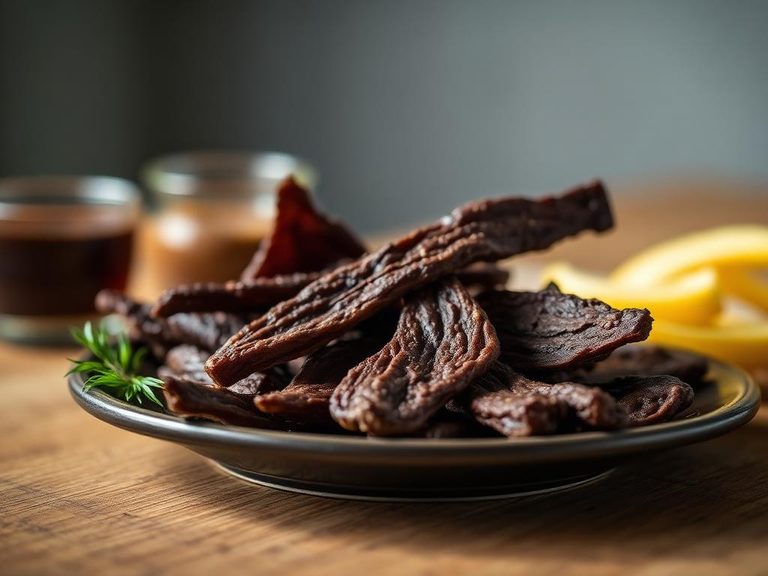
🌍 Where it's eaten
💡 Did you know?
A single adult bull moose can yield over 300 pounds of boneless meat, making it one of the most significant wild game harvests for a family or community.
Full nutrition (USDA data · scales with serving)
| Water | 86.1 g |
| Energy | 55.0 kcal |
| Energy | 230 kj |
| Protein | 6.6 g |
| Total lipid (fat) | 0.50 g |
| Ash | 0.80 g |
| Carbohydrate, by difference | 6.0 g |
| Fiber, total dietary | 0.50 g |
| Calcium, Ca | 12.0 mg |
| Iron, Fe | 1.5 mg |
| Magnesium, Mg | 6.0 mg |
| Phosphorus, P | 16.0 mg |
| Potassium, K | 100 mg |
| Sodium, Na | 222 mg |
| Zinc, Zn | 0.12 mg |
| Copper, Cu | 0.02 mg |
| Manganese, Mn | 0.09 mg |
| Vitamin C, total ascorbic acid | 1.0 mg |
| Thiamin | 0.06 mg |
| Riboflavin | 0.08 mg |
| Niacin | 1.5 mg |
| Pantothenic acid | 0.04 mg |
| Vitamin B-6 | 0.03 mg |
| Folate, total | 5.0 ug |
| Folate, food | 5.0 ug |
| Vitamin A, IU | 1043 iu |
Fat & fatty acid profile (per 100g)
| Fatty acids, total saturated | 0.01 g |
| Fatty acids, total monounsaturated | 0.01 g |
| Fatty acids, total polyunsaturated | 0.02 g |
| PUFA 18:2 | 0.01 g |
| PUFA 18:3 | 0.02 g |
Amino acid profile (per 100g)
Estimated from Stew, hominy with mutton (Navajo) — USDA does not publish this profile for Stew.
| Tryptophan | 0.04 g |
| Threonine | 0.24 g |
| Isoleucine | 0.25 g |
| Leucine | 0.54 g |
| Lysine | 0.43 g |
| Methionine | 0.16 g |
| Cystine | 0.07 g |
| Phenylalanine | 0.26 g |
| Tyrosine | 0.18 g |
| Valine | 0.29 g |
| Arginine | 0.39 g |
| Histidine | 0.16 g |
| Alanine | 0.42 g |
| Aspartic acid | 0.53 g |
| Glutamic acid | 0.99 g |
| Glycine | 0.45 g |
| Proline | 0.39 g |
| Serine | 0.25 g |
FAQ
How does moose meat taste compared to beef?
Moose meat has a stronger, more pronounced 'gamey' or earthy flavor than beef. It's often described as richer and more mineral-like, with a leaner, denser texture due to the animal's wild diet and active lifestyle.
Is moose stew healthy?
Yes, it is very healthy. It's an extremely lean source of high-quality protein, low in fat and calories, and free of carbs and sugar. It's also a good source of iron and B vitamins.
How do you cook moose stew to make it tender?
The key is low and slow cooking. Moose is very lean, so high heat will make it tough and dry. Braise it in liquid (like broth) for several hours, or use a slow cooker or pressure cooker to break down the connective tissue and ensure tenderness.
Nutrient density (calculated · NRF9.3)
Nutrient Rich Foods index: beneficial nutrients (protein, fiber, vitamins, minerals) minus saturated fat, added sugar & sodium, per 100 kcal.
NRF9.3 index — Fulgoni, Keast & Drewnowski, 2009. Computed from USDA nutrients.
Weight-loss friendliness (composite index)
Energy density 0.55 kcal/g · 48% calories from protein · 0.5 g fiber · 0.0 g sugar per 100 g.
Composite of energy density (Rolls et al., 1999), protein & fiber satiety, minus sugar. A calculated heuristic — ranks satiety-per-calorie, not a clinical measure.
Dietary load (calculated from USDA values)
Potential renal acid load. Positive = acid-forming, negative = alkaline-forming.
Sodium-to-potassium ratio: 2.22 (lower is better — aim for ≤ 1)
Sodium:potassium per WHO potassium guidance. Computed from USDA nutrients.