

Soybeans, mature seeds, sprouted, cooked, stir-fried, with salt
Whole food · Vegetables and Vegetable Products

Photo: Wikipedia
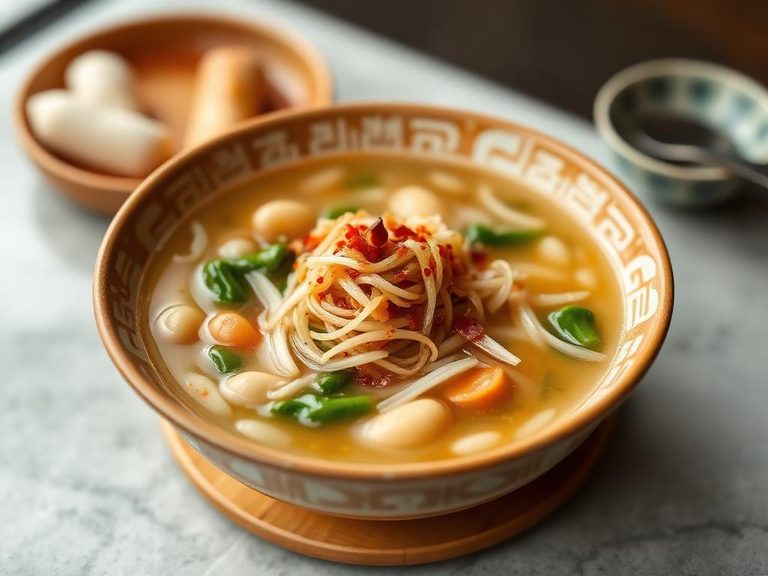
Mature soybeans, sprouted and stir-fried with salt, transform into a savory, slightly crunchy morsel with a deep, nutty umami flavor. The sprouting process softens the bean's texture and enhances its natural savory notes, while the quick stir-fry adds a satisfying sear. This preparation packs a potent punch of plant-based protein and healthy fats in a compact, flavorful package.
Calorie split: 34% protein · 24% carbs · 42% fat
↓ Full nutrition💚 Why it's loved
People love it for its satisfying, meaty chew and savory depth that serves as a fantastic vehicle for sauces and spices. It's a beloved, protein-rich staple in many Asian cuisines, valued for its versatility in both simple home cooking and complex restaurant dishes.
⚠️ Watch-outs & how to enjoy it better
The added salt makes it a high-sodium option, which can be a concern for those monitoring blood pressure. As a soy product, it is a common allergen. To counteract sodium, rinse the beans after sprouting and before cooking, or use less salt and boost flavor with garlic, ginger, or chili. Pair with plenty of non-starchy vegetables to balance the meal.
Key benefits
- Excellent source of complete plant-based protein.
- Provides healthy unsaturated fats and essential minerals.
- Sprouting may enhance nutrient bioavailability.
- A low-sugar, high-satiety food option.
🍽️ Popular dishes
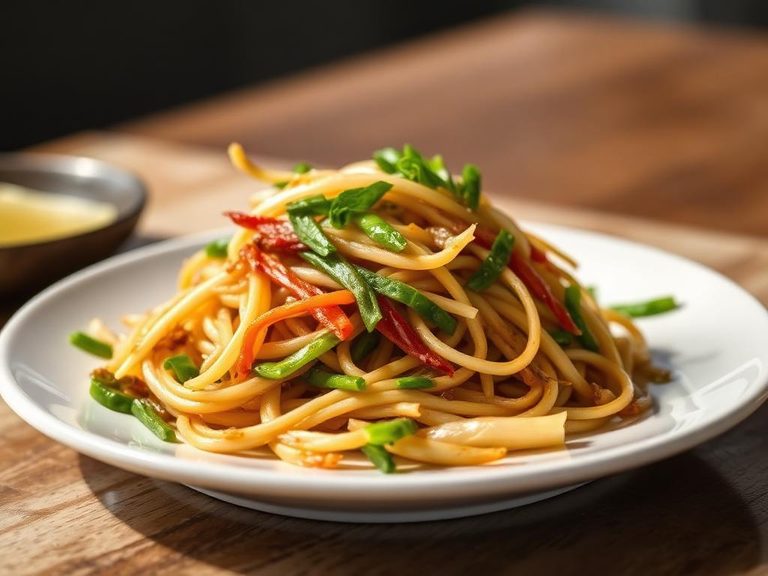
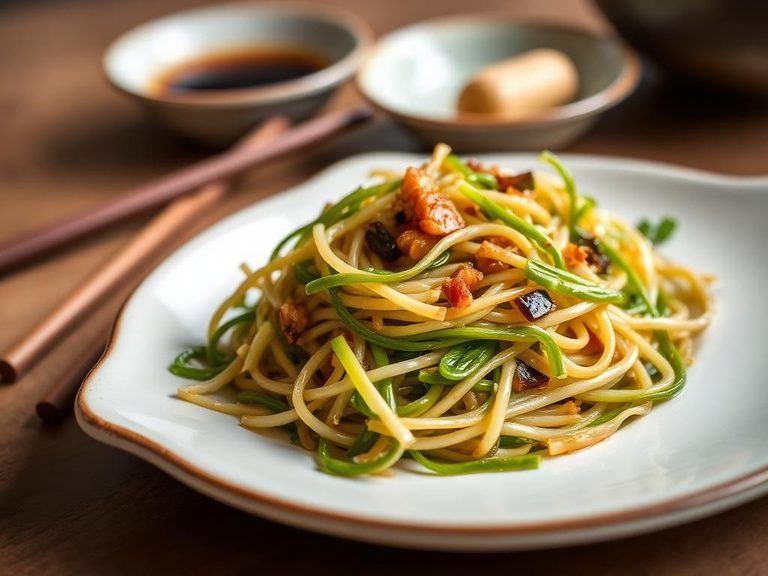
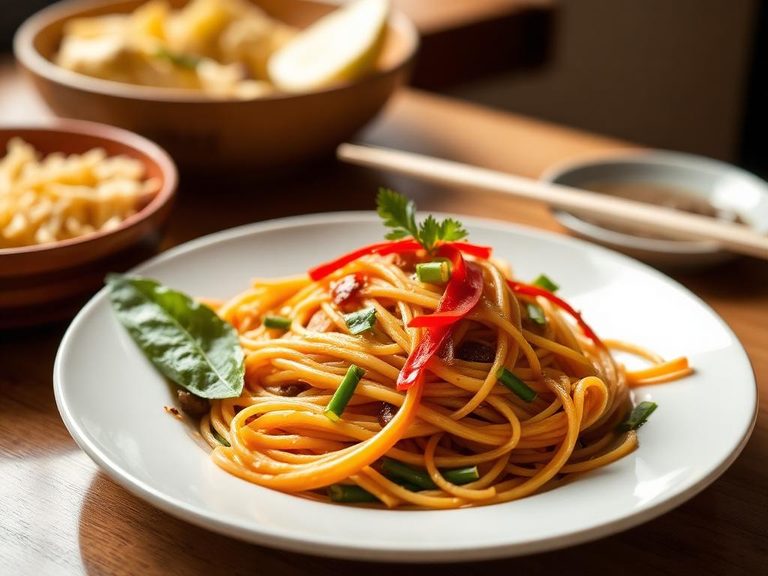
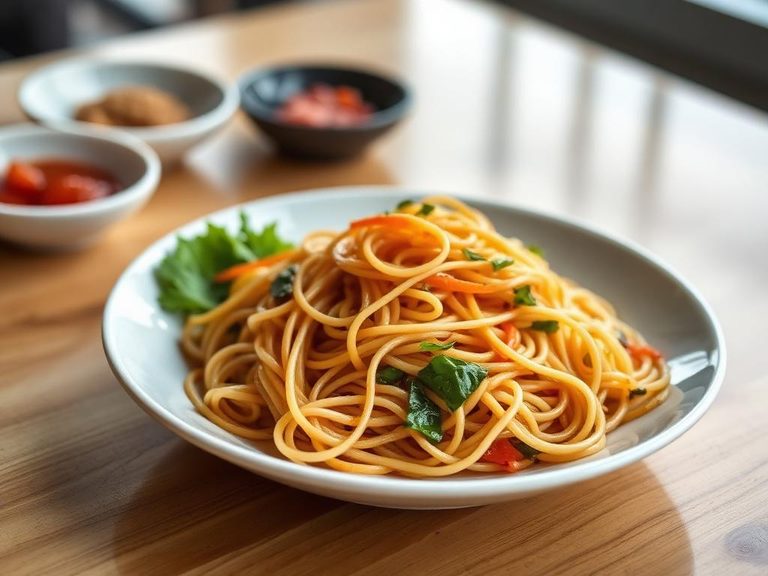
🌍 Where it's eaten
💡 Did you know?
Sprouting soybeans significantly reduces their oligosaccharides, the sugars that can cause gas and bloating, making them easier to digest than unsprouted mature beans.
Full nutrition (USDA data · scales with serving)
| Water | 67.2 g |
| Energy | 125 kcal |
| Energy | 523 kj |
| Protein | 13.1 g |
| Total lipid (fat) | 7.1 g |
| Ash | 3.2 g |
| Carbohydrate, by difference | 9.4 g |
| Fiber, total dietary | 0.80 g |
| Calcium, Ca | 82.0 mg |
| Iron, Fe | 0.40 mg |
| Magnesium, Mg | 96.0 mg |
| Phosphorus, P | 216 mg |
| Potassium, K | 567 mg |
| Sodium, Na | 250 mg |
| Zinc, Zn | 2.1 mg |
| Copper, Cu | 0.53 mg |
| Manganese, Mn | 1.1 mg |
| Selenium, Se | 0.60 ug |
| Vitamin C, total ascorbic acid | 12.0 mg |
| Thiamin | 0.42 mg |
| Riboflavin | 0.19 mg |
| Niacin | 1.1 mg |
| Pantothenic acid | 1.2 mg |
| Vitamin B-6 | 0.17 mg |
| Folate, total | 127 ug |
| Folic acid | 0.00 ug |
| Folate, food | 127 ug |
| Folate, DFE | 127 ug |
| Vitamin B-12 | 0.00 ug |
| Vitamin A, RAE | 1.0 ug |
| Retinol | 0.00 ug |
| Vitamin A, IU | 17.0 iu |
| Vitamin D (D2 + D3), International Units | 0.00 iu |
| Vitamin D (D2 + D3) | 0.00 ug |
Fat & fatty acid profile (per 100g)
| Cholesterol | 0.00 mg |
Amino acid profile (per 100g)
| Tryptophan | 0.30 g |
| Threonine | 0.76 g |
| Isoleucine | 0.65 g |
| Leucine | 1.1 g |
| Lysine | 0.92 g |
| Methionine | 0.15 g |
| Cystine | 0.07 g |
| Phenylalanine | 0.52 g |
| Tyrosine | 0.43 g |
| Valine | 0.73 g |
| Arginine | 0.63 g |
| Histidine | 0.35 g |
| Alanine | 0.61 g |
| Aspartic acid | 1.9 g |
| Glutamic acid | 1.9 g |
| Glycine | 0.51 g |
| Serine | 0.98 g |
FAQ
How is this different from regular soybean sprouts?
The key difference is the starting bean. These are made from mature, dried soybeans that are sprouted, resulting in a larger, chewier, and more protein-dense sprout compared to those from smaller green soybeans.
Is it healthy to eat the sprout and the bean together?
Yes, the entire sprouted bean is edible and nutritious. The sprouting process makes the bean's nutrients more accessible and can improve digestibility.
Can I use this in place of tofu or tempeh?
Absolutely. It offers a different, more distinct texture—firm and slightly crunchy—making it a great substitute in stir-fries, salads, or grain bowls where you want more bite.
Nutrient density (calculated · NRF9.3)
Nutrient Rich Foods index: beneficial nutrients (protein, fiber, vitamins, minerals) minus saturated fat, added sugar & sodium, per 100 kcal.
NRF9.3 index — Fulgoni, Keast & Drewnowski, 2009. Computed from USDA nutrients.
Weight-loss friendliness (composite index)
Energy density 1.25 kcal/g · 42% calories from protein · 0.8 g fiber · 0.0 g sugar per 100 g.
Composite of energy density (Rolls et al., 1999), protein & fiber satiety, minus sugar. A calculated heuristic — ranks satiety-per-calorie, not a clinical measure.
Dietary load (calculated from USDA values)
Potential renal acid load. Positive = acid-forming, negative = alkaline-forming.
Sodium-to-potassium ratio: 0.44 (lower is better — aim for ≤ 1)
Sodium:potassium per WHO potassium guidance. Computed from USDA nutrients.