Peanut butter, creamy
Whole food · Legumes and Legume Products
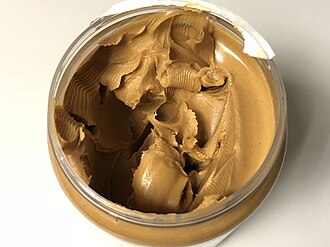
Photo: Wikipedia
Creamy peanut butter is a rich, velvety paste made from finely ground roasted peanuts, offering a deeply savory, nutty flavor with a smooth, spreadable texture. It is a calorie-dense powerhouse, delivering nearly 50 grams of healthy fats and 24 grams of protein per 100 grams, making it a staple for sustained energy. Its signature taste comes from the natural oils of the peanut, often enhanced with a touch of salt or a hint of sweetness.
💚 Why it's loved
People adore it for its comforting, nostalgic flavor and incredible versatility, transforming simple snacks like apples or celery into satisfying meals. It is a cultural cornerstone in American cuisine, from classic sandwiches to global fusion dishes, symbolizing both simplicity and indulgence.
⚠️ Watch-outs & how to enjoy it better
Its high fat and calorie content can lead to weight gain if consumed in excess, and it is a common allergen that triggers severe reactions in some individuals. To counteract this, practice portion control by sticking to a 2-tablespoon serving, and pair it with fiber-rich foods like whole-grain bread or fruit to balance blood sugar levels. For those with allergies, always check labels for cross-contamination and consider alternative nut butters.
Key benefits
- Excellent source of plant-based protein for muscle repair and satiety
- Rich in monounsaturated fats that support heart health
- High in fiber to aid digestion and promote fullness
- Provides essential minerals like magnesium, potassium, and vitamin E
🍽️ Popular dishes
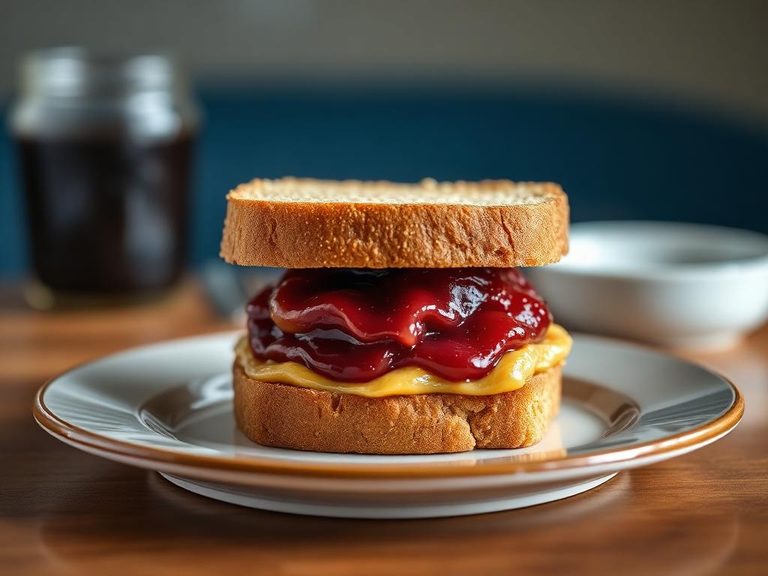
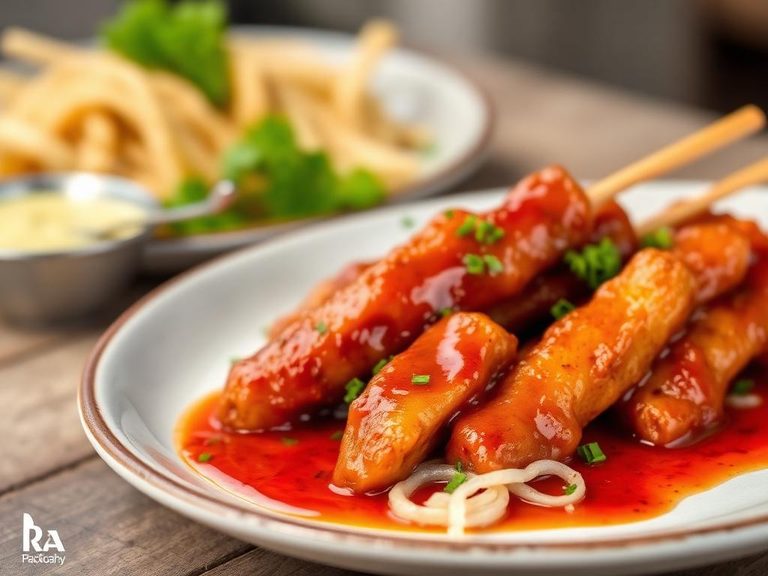
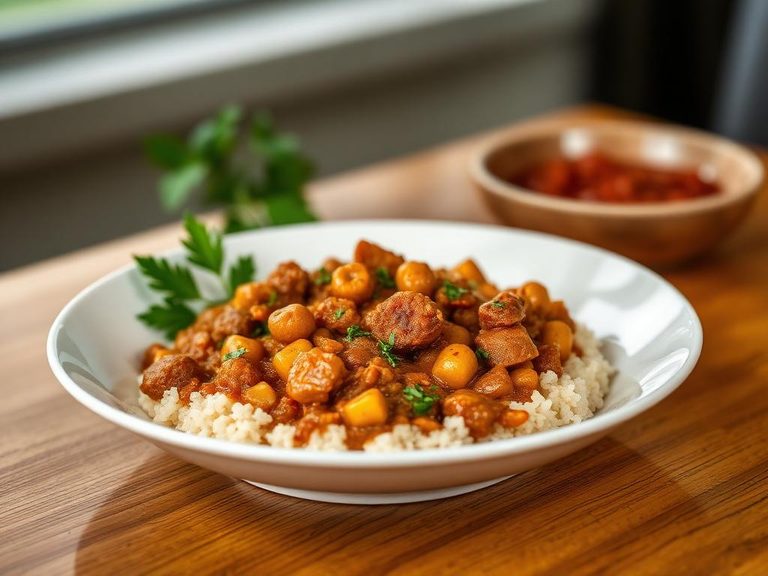
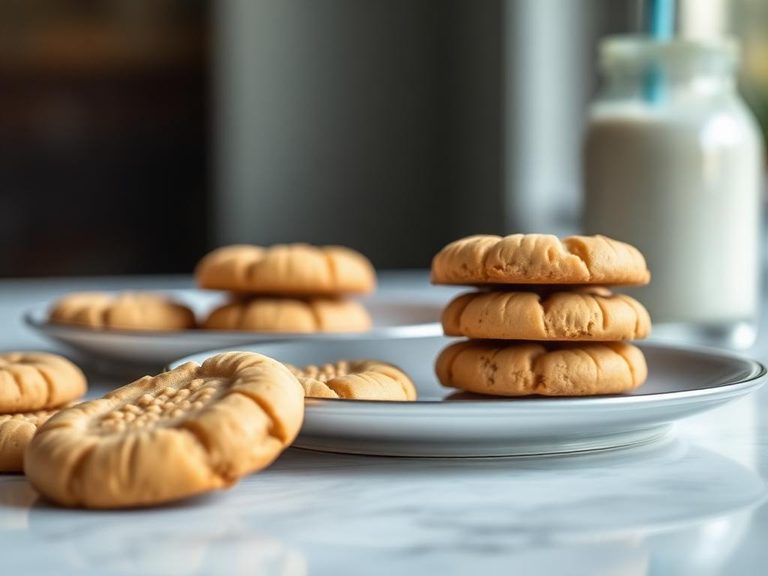
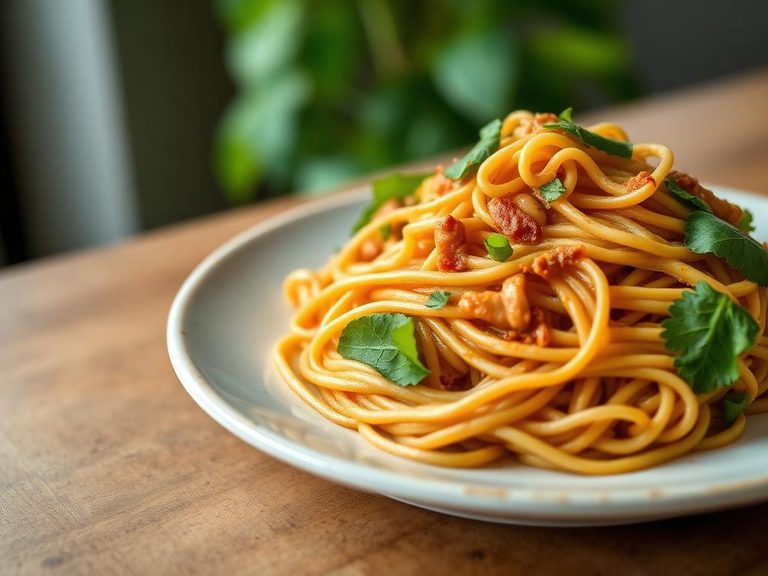
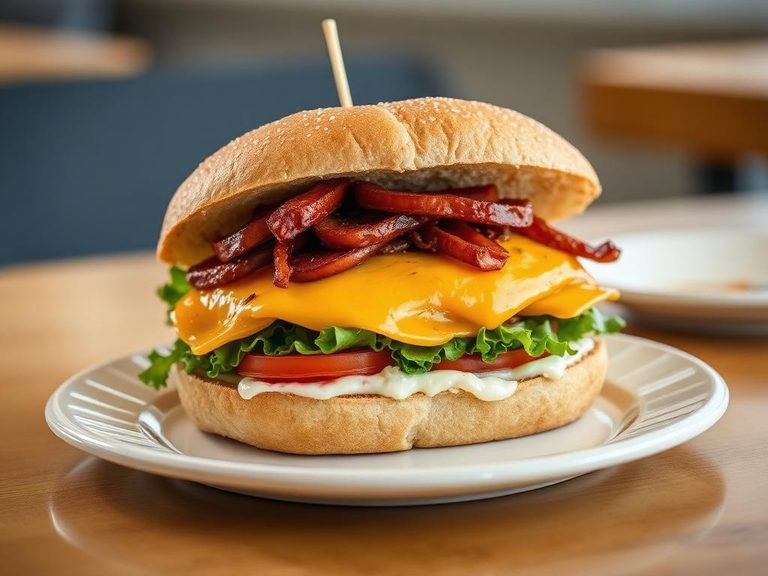
🌍 Where it's eaten
💡 Did you know?
It takes about 540 peanuts to make one 12-ounce jar of peanut butter.
Full nutrition (scales with serving)
| Water | 1.1 g |
| Energy (Atwater General Factors) | 632 kcal |
| Energy (Atwater Specific Factors) | 589 kcal |
| Nitrogen | 4.4 g |
| Protein | 24.0 g |
| Total lipid (fat) | 49.4 g |
| Ash | 2.8 g |
| Carbohydrate, by difference | 22.7 g |
| Fiber, total dietary | 6.3 g |
| Calcium, Ca | 49.9 mg |
| Iron, Fe | 1.9 mg |
| Magnesium, Mg | 193 mg |
| Phosphorus, P | 393 mg |
| Potassium, K | 654 mg |
| Sodium, Na | 221 mg |
| Zinc, Zn | 3.1 mg |
| Copper, Cu | 0.54 mg |
| Manganese, Mn | 1.7 mg |
| Selenium, Se | 20.2 ug |
| Thiamin | 0.12 mg |
| Niacin | 17.2 mg |
| Vitamin B-6 | 0.38 mg |
| Biotin | 87.8 ug |
| Folate, total | 97.3 ug |
| Vitamin E (alpha-tocopherol) | 5.4 mg |
| Vitamin K (phylloquinone) | 0.00 ug |
| Fatty acids, total saturated | 8.4 g |
| SFA 16:0 | 4.1 g |
| SFA 18:0 | 1.3 g |
| SFA 20:0 | 0.68 g |
| SFA 22:0 | 1.4 g |
| SFA 24:0 | 0.82 g |
| Fatty acids, total monounsaturated | 30.7 g |
| MUFA 18:1 c | 29.8 g |
| MUFA 20:1 c | 0.80 g |
| MUFA 22:1 n-9 | 0.13 g |
| Fatty acids, total polyunsaturated | 9.8 g |
| PUFA 18:2 n-6 c,c | 9.7 g |
| Tryptophan | 0.23 g |
| Threonine | 0.81 g |
| Isoleucine | 0.92 g |
| Leucine | 1.9 g |
| Lysine | 0.95 g |
| Methionine | 0.29 g |
| Phenylalanine | 1.5 g |
| Tyrosine | 1.1 g |
| Valine | 1.1 g |
| Arginine | 3.3 g |
| Histidine | 0.68 g |
| Alanine | 1.2 g |
| Aspartic acid | 3.4 g |
| Glutamic acid | 5.8 g |
| Glycine | 1.7 g |
| Proline | 1.2 g |
| Serine | 1.4 g |
| Hydroxyproline | 0.16 g |
| Cysteine | 0.51 g |
| Daidzein | 11.5 mg |
| Genistein | 0.00 mg |
| Daidzin | 0.65 mg |
| Genistin | 1.9 mg |
| Glycitin | 0.41 mg |
FAQ
Is creamy peanut butter healthier than crunchy?
Nutritionally, they are nearly identical, as both are made from the same peanuts. The main difference is texture, with crunchy containing peanut pieces that add a bit more fiber and crunch.
Why does the oil separate in natural peanut butter?
Natural peanut butter lacks stabilizers, so the peanut oil naturally rises to the top. Stir it well before use, or store it upside down to redistribute the oil.
Can peanut butter be part of a weight loss diet?
Yes, in moderation. Its high protein and fiber content promote satiety, helping you feel full longer. Stick to a 2-tablespoon serving and choose varieties with no added sugar or hydrogenated oils.