Oranges, raw, navels (Includes foods for USDA's Food Distribution Program)
Whole food · Fruits and Fruit Juices
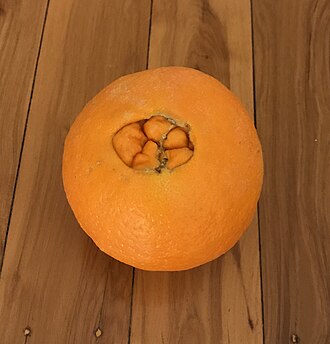
Photo: Wikipedia
A navel orange is a seedless, easy-to-peel citrus fruit with a bright, sweet-tart flavor and juicy, segmented flesh. Its vibrant color and refreshing taste make it a nutritional powerhouse, offering a significant dose of vitamin C and fiber in a low-calorie package.
💚 Why it's loved
People adore navel oranges for their perfect balance of sweetness and acidity, their satisfyingly juicy texture, and the convenience of their easy-to-remove peel. They are a universal symbol of freshness and are deeply embedded in holiday traditions and everyday snacking cultures worldwide.
⚠️ Watch-outs & how to enjoy it better
The high natural sugar and acidic content can aggravate acid reflux or heartburn in sensitive individuals. The peel contains oils that may irritate skin, and the fruit's acidity can erode tooth enamel. To counteract, consume with a meal to buffer acidity, rinse your mouth with water afterward, and avoid aggressive scrubbing with the peel on skin.
Key benefits
- Excellent source of immune-supporting vitamin C
- Good source of dietary fiber for digestive health
- Low in calories and naturally hydrating
- Contains antioxidants like flavonoids
- Provides potassium for heart function
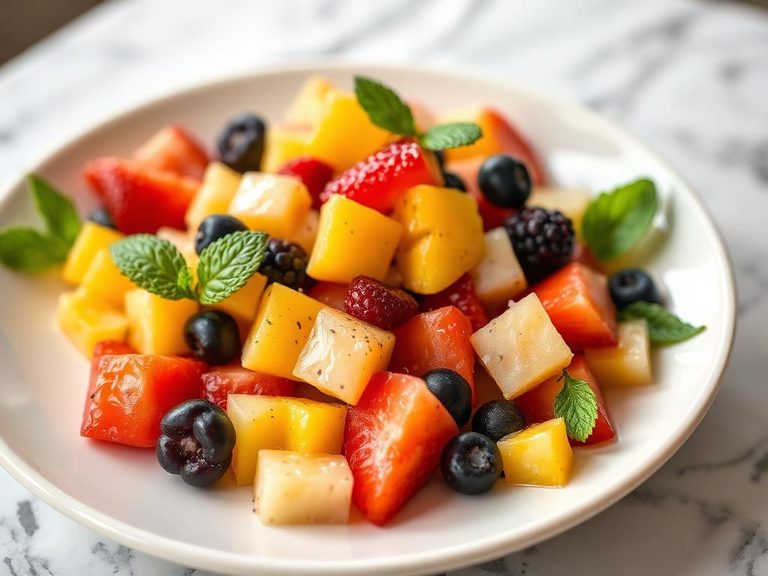
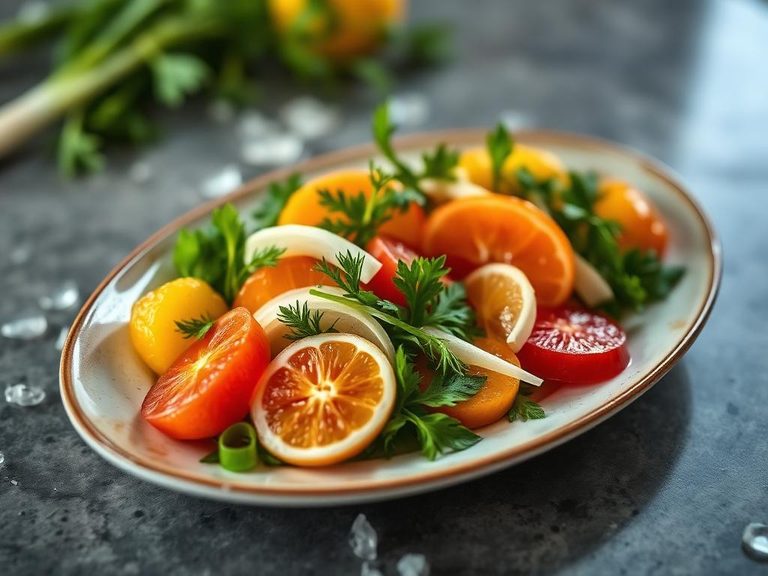
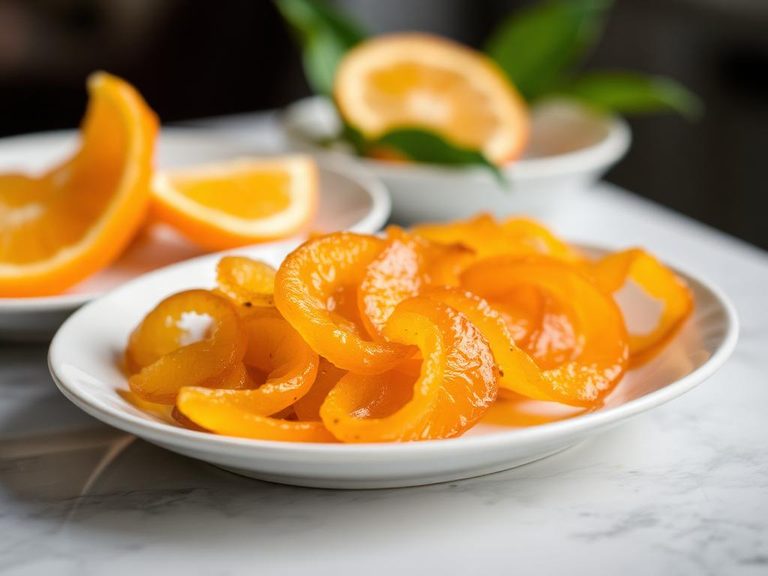
🍽️ Popular dishes



🌍 Where it's eaten
💡 Did you know?
The navel orange is a natural mutation discovered in Brazil in the early 19th century; every single navel orange grown today is a genetic clone of that original tree, propagated through grafting.
Full nutrition (scales with serving)
| Water | 86.7 g |
| Energy | 47.0 kcal |
| Energy | 196 kj |
| Nitrogen | 0.14 g |
| Protein | 0.91 g |
| Total lipid (fat) | 0.15 g |
| Ash | 0.43 g |
| Carbohydrate, by difference | 11.8 g |
| Carbohydrate, by summation | 10.6 g |
| Fiber, total dietary | 2.0 g |
| Fiber, soluble | 0.20 g |
| Fiber, insoluble | 1.8 g |
| Sugars, Total | 8.6 g |
| Sucrose | 4.2 g |
| Glucose | 2.0 g |
| Fructose | 2.4 g |
| Lactose | 0.00 g |
| Maltose | 0.00 g |
| Galactose | 0.00 g |
| Starch | 0.00 g |
| Calcium, Ca | 43.0 mg |
| Iron, Fe | 0.33 mg |
| Magnesium, Mg | 10.7 mg |
| Phosphorus, P | 23.0 mg |
| Potassium, K | 166 mg |
| Sodium, Na | 9.0 mg |
| Zinc, Zn | 0.11 mg |
| Copper, Cu | 0.06 mg |
| Manganese, Mn | 0.03 mg |
| Selenium, Se | 0.00 ug |
| Vitamin C, total ascorbic acid | 59.1 mg |
| Thiamin | 0.07 mg |
| Riboflavin | 0.05 mg |
| Niacin | 0.42 mg |
| Pantothenic acid | 0.26 mg |
| Vitamin B-6 | 0.08 mg |
| Folate, total | 25.0 ug |
| Vitamin K (phylloquinone) | 0.00 ug |
| Vitamin K (Dihydrophylloquinone) | 0.00 ug |
| Tryptophan | 0.01 g |
| Threonine | 0.02 g |
| Isoleucine | 0.01 g |
| Leucine | 0.03 g |
| Lysine | 0.03 g |
| Methionine | 0.01 g |
| Cystine | 0.01 g |
| Phenylalanine | 0.05 g |
| Tyrosine | 0.01 g |
| Valine | 0.02 g |
| Arginine | 0.10 g |
| Histidine | 0.01 g |
| Alanine | 0.03 g |
| Aspartic acid | 0.12 g |
| Glutamic acid | 0.24 g |
| Glycine | 0.02 g |
| Proline | 0.15 g |
| Serine | 0.03 g |
FAQ
Why are navel oranges seedless?
Navel oranges are a natural mutation. Their flowers are sterile and do not produce seeds, which is why they must be propagated by planting cuttings (grafting) from existing trees.
What is the 'navel' on a navel orange?
The 'navel' is a small, undeveloped second fruit that forms at the blossom end, resembling a human navel. It's a hallmark of this variety and a result of the same mutation that makes them seedless.
Is the white pith edible?
Yes, the white pith (albedo) is edible and actually a good source of fiber and antioxidants. While it can be slightly bitter, many people eat it along with the segments for maximum nutritional benefit.