

Eggs, Grade A, Large, egg white
Whole food · Dairy and Egg Products

Photo: Wikipedia
Egg white is the clear, viscous liquid that surrounds the yolk within an egg's shell. When raw, it's slightly gelatinous and odorless; when cooked, it transforms into a tender, opaque white solid with a mild, clean taste and a uniquely springy texture. It's a nutritional powerhouse, delivering over 10 grams of high-quality protein for just 55 calories, with virtually no fat, carbs, or sugar.
Calorie split: 82% protein · 18% carbs · 0% fat
↓ Full nutrition💚 Why it's loved
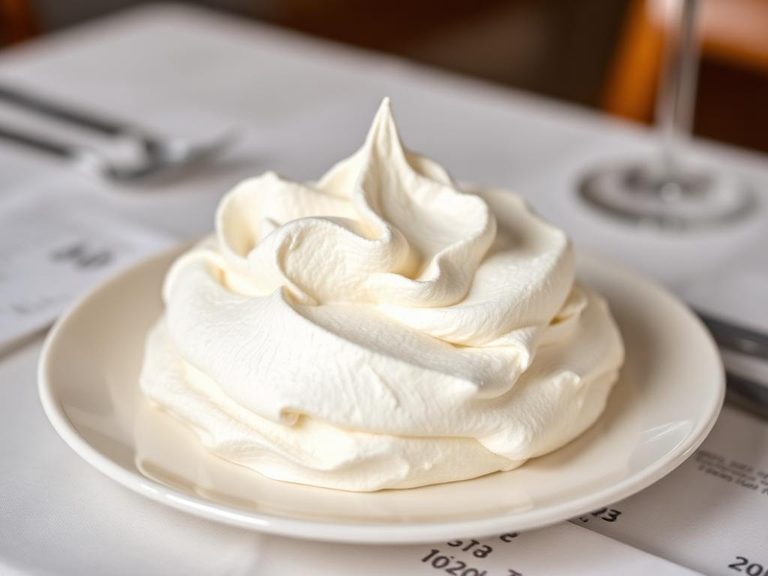
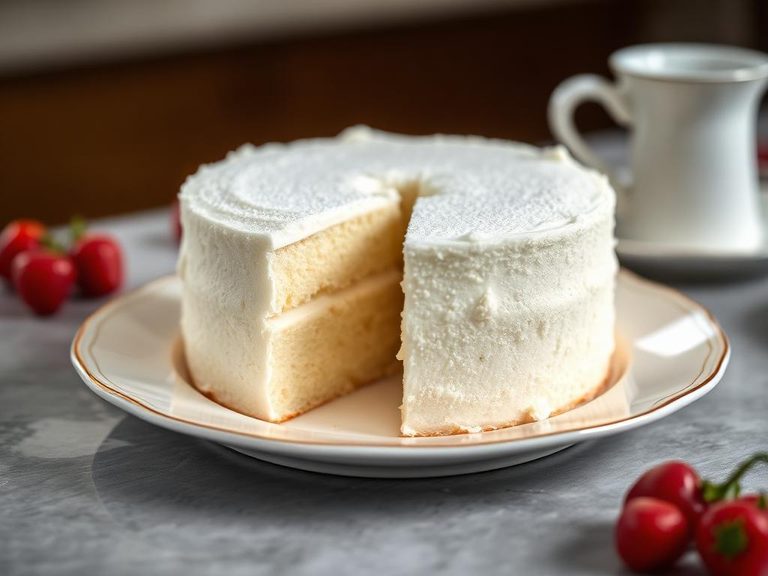
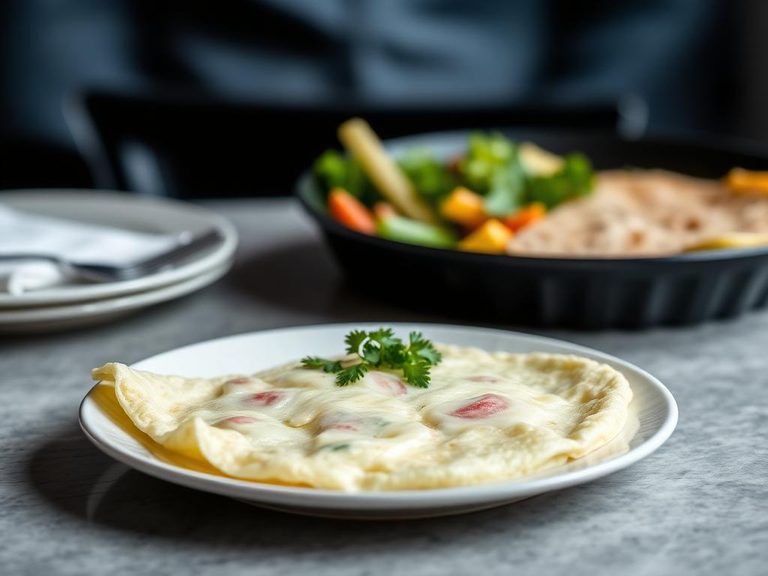
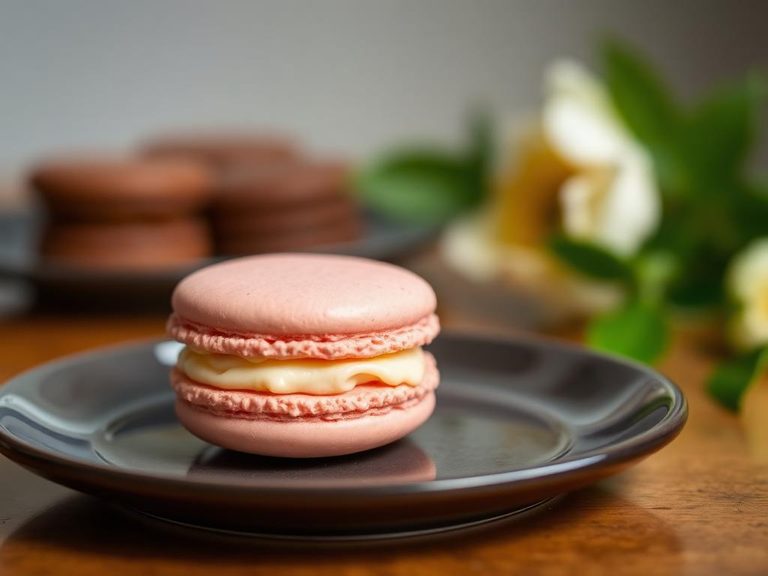
People love egg whites for their incredible versatility and role as a pure protein canvas. They're the foundation of fluffy meringues, light-as-air omelets, and protein-rich smoothies, prized for adding structure and nutrition without adding fat or a strong flavor.
⚠️ Watch-outs & how to enjoy it better
Some find the taste bland and the cooked texture rubbery if overcooked. A small percentage of people have an allergy specifically to egg white proteins (like ovalbumin). To counteract blandness, season well and cook gently; for allergies, avoidance is necessary, but many can tolerate the yolk.
Key benefits
- Excellent source of complete, lean protein
- Very low in calories and fat-free
- Rich in selenium, an important antioxidant mineral
- Contains riboflavin (vitamin B2) for energy metabolism
- Provides potassium for fluid balance
🍽️ Popular dishes
🌍 Where it's eaten
💡 Did you know?
The foam created by whipping egg whites can trap air so effectively that a single large egg white can increase in volume by up to 8 times, which is the secret behind the towering height of a perfect pavlova.
Full nutrition (USDA data · scales with serving)
| Water | 86.3 g |
| Energy (Atwater General Factors) | 52.0 kcal |
| Energy (Atwater Specific Factors) | 55.0 kcal |
| Energy | 55.0 kcal |
| Energy | 231 kj |
| Nitrogen | 1.7 g |
| Protein | 10.7 g |
| Total lipid (fat) | 0.00 g |
| Ash | 0.65 g |
| Carbohydrate, by difference | 2.4 g |
| Selenium, Se | 17.9 ug |
| Riboflavin | 0.39 mg |
Fat & fatty acid profile (per 100g)
Estimated from Eggs, Grade A, Large, egg whole — USDA does not publish this profile for Eggs.
| Fatty acids, total saturated | 3.2 g |
| SFA 14:0 | 0.03 g |
| SFA 16:0 | 2.3 g |
| SFA 18:0 | 0.81 g |
| Fatty acids, total monounsaturated | 3.6 g |
| MUFA 16:1 c | 0.24 g |
| MUFA 18:1 c | 3.4 g |
| Fatty acids, total polyunsaturated | 1.8 g |
| PUFA 18:2 c | 1.5 g |
| PUFA 18:2 n-6 c,c | 1.5 g |
| PUFA 18:3 c | 0.01 g |
| PUFA 18:3 n-6 c,c,c | 0.01 g |
| PUFA 20:3 c | 0.02 g |
| PUFA 20:3 n-6 | 0.02 g |
| Cholesterol | 411 mg |
Amino acid profile (per 100g)
| Tryptophan | 0.19 g |
| Threonine | 0.57 g |
| Isoleucine | 0.61 g |
| Leucine | 1.0 g |
| Lysine | 0.82 g |
| Methionine | 0.49 g |
| Phenylalanine | 0.73 g |
| Tyrosine | 0.47 g |
| Valine | 0.78 g |
| Arginine | 0.69 g |
| Histidine | 0.26 g |
| Alanine | 0.71 g |
| Aspartic acid | 1.3 g |
| Glutamic acid | 1.8 g |
| Glycine | 0.42 g |
| Proline | 0.49 g |
| Serine | 0.86 g |
| Hydroxyproline | 0.00 g |
| Cysteine | 0.41 g |
FAQ
Why are my scrambled egg whites watery?
This often happens from overcooking or using too high heat, which causes the proteins to squeeze out moisture. Cook them gently over medium-low heat, stirring constantly, and remove them from the pan just before they look fully set.
Can I substitute egg whites for whole eggs in baking?
Yes, but with adjustments. A common rule is 2 tablespoons of egg white per whole egg. Since you're removing the fat and emulsifiers from the yolk, the result may be drier and less rich. Adding a small amount of fat like oil or butter can help.
What is the white stringy part in a fresh egg?
That's called the chalaza (plural: chalazae). It's a rope-like strand of egg white protein that anchors the yolk in the center of the egg. It's perfectly edible and a sign of freshness.
Weight-loss friendliness (composite index)
Energy density 0.55 kcal/g · 78% calories from protein · 0.0 g fiber · 0.0 g sugar per 100 g.
Composite of energy density (Rolls et al., 1999), protein & fiber satiety, minus sugar. A calculated heuristic — ranks satiety-per-calorie, not a clinical measure.