

Dock, raw
Whole food · Vegetables and Vegetable Products

Photo: Wikipedia
Dock, or wild sorrel, is a leafy green with a distinctively tart, lemony flavor and a tender, slightly chewy texture. It is exceptionally low in calories (22 kcal per 100g) while providing a notable amount of fiber (2.9g) and a modest protein boost (2g). Its sharp, acidic taste makes it a unique ingredient for adding brightness to dishes without added citrus.
Calorie split: 30% protein · 47% carbs · 23% fat
↓ Full nutrition💚 Why it's loved
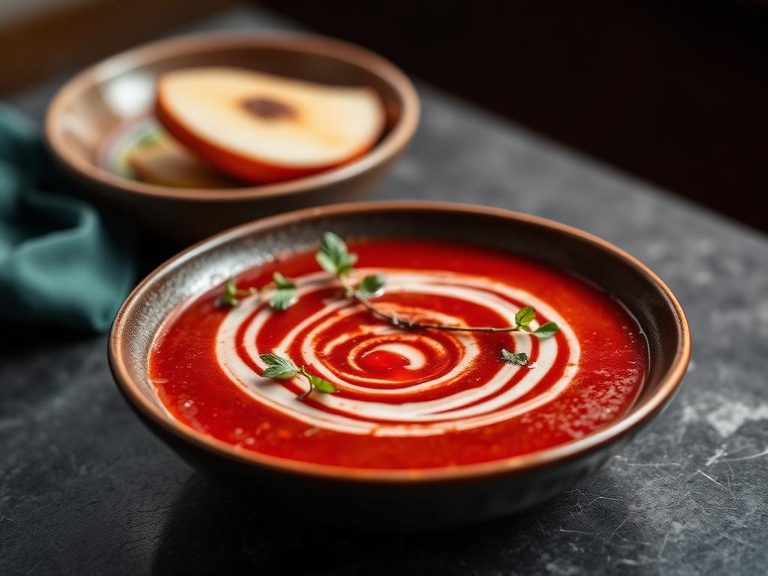
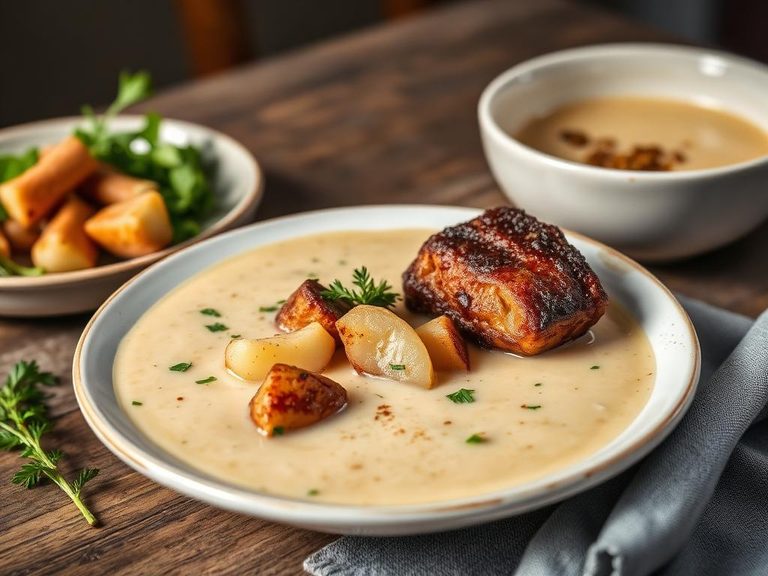
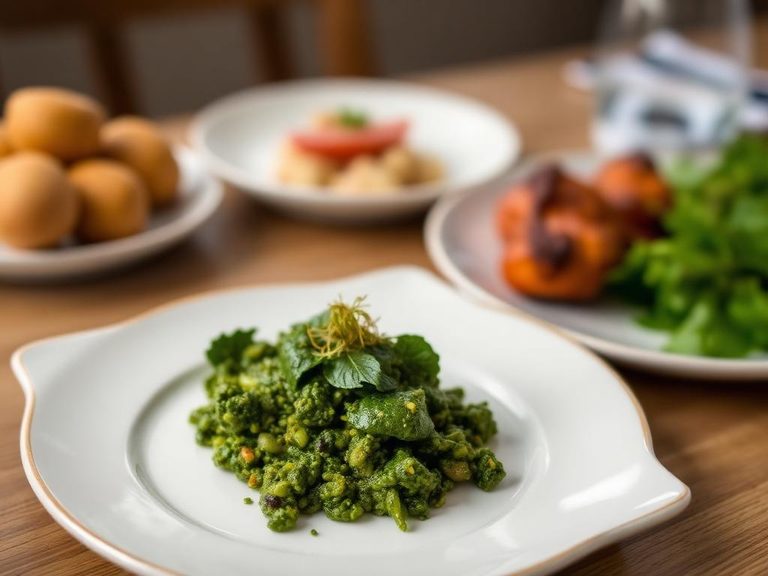
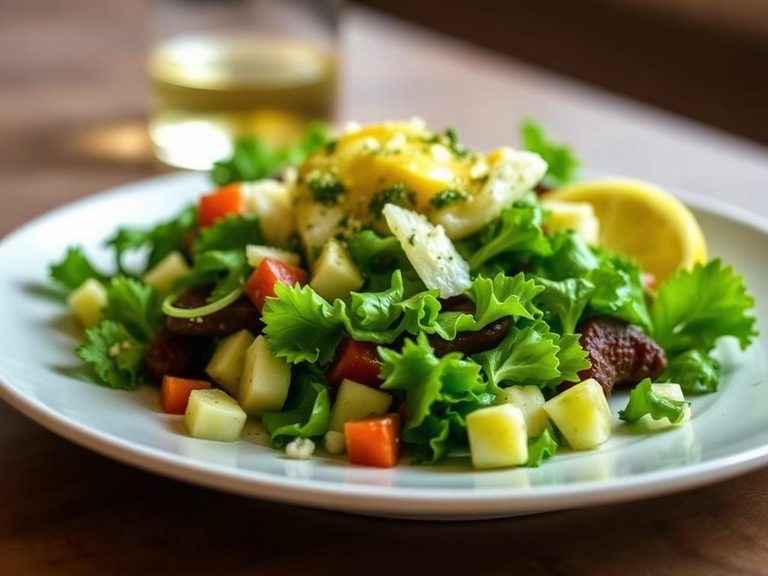
People love dock for its vibrant, lemony punch that can brighten soups, salads, and sauces. It is a versatile foraged green that connects eaters to traditional, seasonal cooking and wild food culture.
⚠️ Watch-outs & how to enjoy it better
Dock contains oxalic acid, which can contribute to kidney stones in susceptible individuals and may interfere with mineral absorption. To mitigate this, blanch the leaves briefly before cooking, pair with calcium-rich foods like dairy or tofu, and consume in moderation as part of a varied diet.
Key benefits
- Very low calorie density (22 kcal/100g)
- Good source of dietary fiber (2.9g/100g)
- Provides a modest amount of plant-based protein (2g/100g)
- Contains vitamin C and other antioxidants
- Naturally low in fat (0.7g/100g)
🍽️ Popular dishes

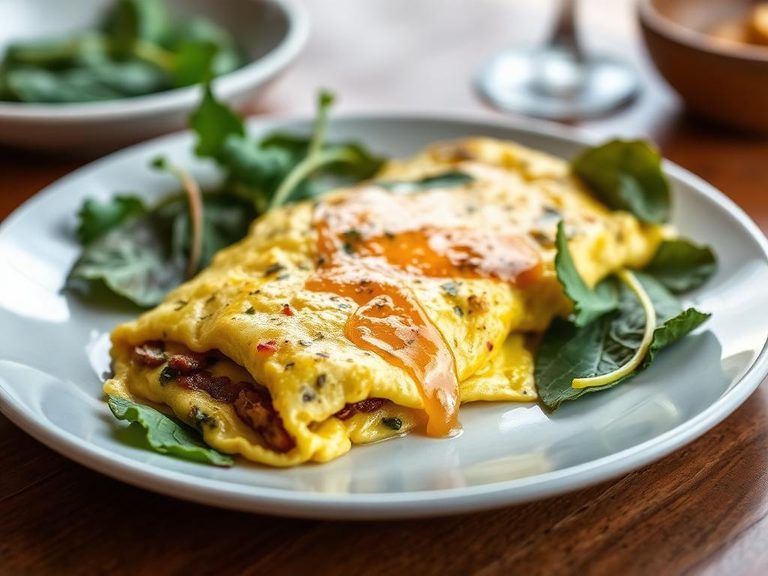
🌍 Where it's eaten
💡 Did you know?
The name 'dock' comes from the Old English 'docce,' meaning a plant with broad leaves, and the plant has been used for centuries as a natural remedy for stinging nettle burns—simply rub a fresh leaf on the affected area.
Full nutrition (USDA data · scales with serving)
| Water | 93.0 g |
| Energy | 22.0 kcal |
| Energy | 92.0 kj |
| Protein | 2.0 g |
| Total lipid (fat) | 0.70 g |
| Ash | 1.1 g |
| Carbohydrate, by difference | 3.2 g |
| Fiber, total dietary | 2.9 g |
| Calcium, Ca | 44.0 mg |
| Iron, Fe | 2.4 mg |
| Magnesium, Mg | 103 mg |
| Phosphorus, P | 63.0 mg |
| Potassium, K | 390 mg |
| Sodium, Na | 4.0 mg |
| Zinc, Zn | 0.20 mg |
| Copper, Cu | 0.13 mg |
| Manganese, Mn | 0.35 mg |
| Selenium, Se | 0.90 ug |
| Vitamin C, total ascorbic acid | 48.0 mg |
| Thiamin | 0.04 mg |
| Riboflavin | 0.10 mg |
| Niacin | 0.50 mg |
| Pantothenic acid | 0.04 mg |
| Vitamin B-6 | 0.12 mg |
| Folate, total | 13.0 ug |
| Folic acid | 0.00 ug |
| Folate, food | 13.0 ug |
| Folate, DFE | 13.0 ug |
| Vitamin B-12 | 0.00 ug |
| Vitamin A, RAE | 200 ug |
| Retinol | 0.00 ug |
| Vitamin A, IU | 4000 iu |
| Vitamin D (D2 + D3), International Units | 0.00 iu |
| Vitamin D (D2 + D3) | 0.00 ug |
Fat & fatty acid profile (per 100g)
| Fatty acids, total trans | 0.00 g |
| Cholesterol | 0.00 mg |
Amino acid profile (per 100g)
| Threonine | 0.09 g |
| Isoleucine | 0.10 g |
| Leucine | 0.17 g |
| Lysine | 0.12 g |
| Methionine | 0.04 g |
| Phenylalanine | 0.11 g |
| Tyrosine | 0.08 g |
| Valine | 0.13 g |
| Arginine | 0.11 g |
| Histidine | 0.05 g |
| Alanine | 0.13 g |
| Aspartic acid | 0.18 g |
| Glutamic acid | 0.22 g |
| Glycine | 0.11 g |
| Proline | 0.12 g |
| Serine | 0.08 g |
FAQ
Is dock the same as sorrel?
Yes, in culinary contexts, 'dock' often refers to wild sorrel (Rumex acetosa) or its relatives, which share the characteristic tart, lemony flavor.
Can I eat dock raw?
Yes, young, tender dock leaves can be eaten raw in salads, but their strong tartness is best balanced with other ingredients.
How do I reduce the oxalic acid in dock?
Blanch the leaves in boiling water for 1-2 minutes and discard the water, or cook them in soups and sauces where the acid can be diluted.
What does dock taste like?
Dock has a sharp, lemony, and slightly tangy flavor, similar to sorrel, with a green, grassy undertone.
Nutrient density (calculated · NRF9.3)
Nutrient Rich Foods index: beneficial nutrients (protein, fiber, vitamins, minerals) minus saturated fat, added sugar & sodium, per 100 kcal.
NRF9.3 index — Fulgoni, Keast & Drewnowski, 2009. Computed from USDA nutrients.
Weight-loss friendliness (composite index)
Energy density 0.22 kcal/g · 36% calories from protein · 2.9 g fiber · 0.0 g sugar per 100 g.
Composite of energy density (Rolls et al., 1999), protein & fiber satiety, minus sugar. A calculated heuristic — ranks satiety-per-calorie, not a clinical measure.
Dietary load (calculated from USDA values)
Potential renal acid load. Positive = acid-forming, negative = alkaline-forming.
Sodium-to-potassium ratio: 0.01 (lower is better — aim for ≤ 1)
Sodium:potassium per WHO potassium guidance. Computed from USDA nutrients.