

Caribou, eye, raw (Alaska Native)
Whole food · American Indian/Alaska Native Foods

Photo: Wikipedia
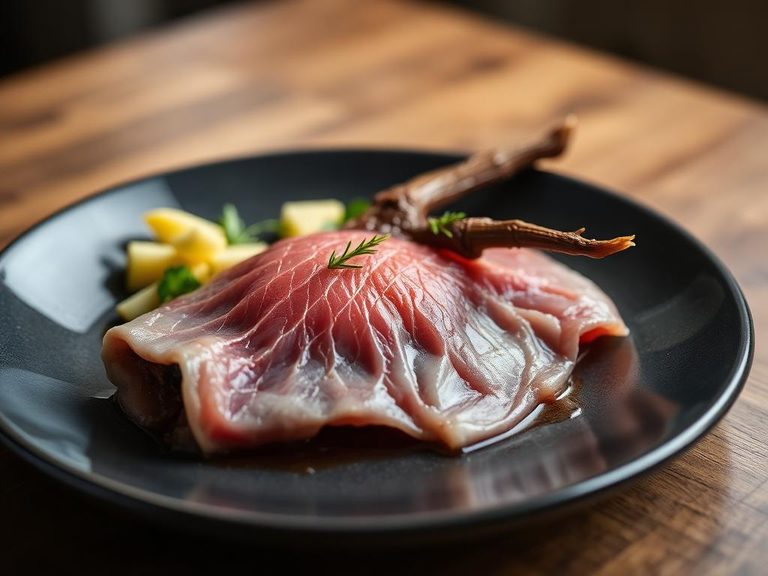
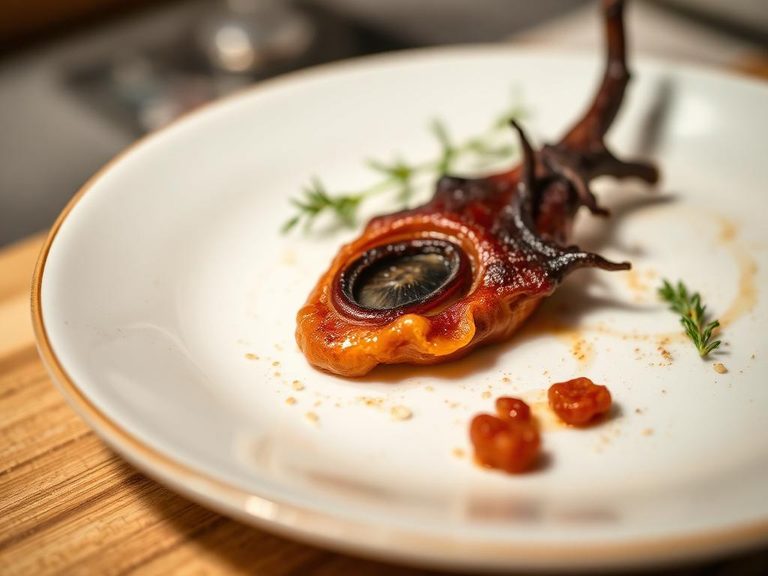
Caribou eye is a traditional Alaska Native food, prized for its rich, gamey flavor and a unique texture that combines a firm, chewy outer layer with a softer, gelatinous center. It is exceptionally high in fat, providing a dense source of energy crucial for survival in cold climates, while offering a moderate amount of protein. This delicacy is often consumed raw or lightly cooked, reflecting deep cultural practices and a connection to the land.
Calorie split: 13% protein · 0% carbs · 87% fat
↓ Full nutrition💚 Why it's loved
People love caribou eye for its intense, savory flavor and the unique textural experience it offers, which is deeply tied to cultural heritage and the tradition of nose-to-tail eating. Its high fat content makes it a prized, energy-dense food, especially valued during long, harsh winters.
⚠️ Watch-outs & how to enjoy it better
The strong, gamey taste and gelatinous texture can be challenging for those unfamiliar with traditional or organ meats. It is extremely high in fat, so individuals monitoring their fat intake or with specific dietary restrictions should consume it in moderation. To balance its richness, pair it with lean proteins or fiber-rich vegetables, and consider portion control to manage calorie intake.
Key benefits
- High in healthy fats for sustained energy in cold environments
- Provides a good source of protein for muscle maintenance
- Rich in fat-soluble vitamins like Vitamin A and D
- Culturally significant, connecting to traditional subsistence practices
- A nutrient-dense, whole-food source with minimal processing
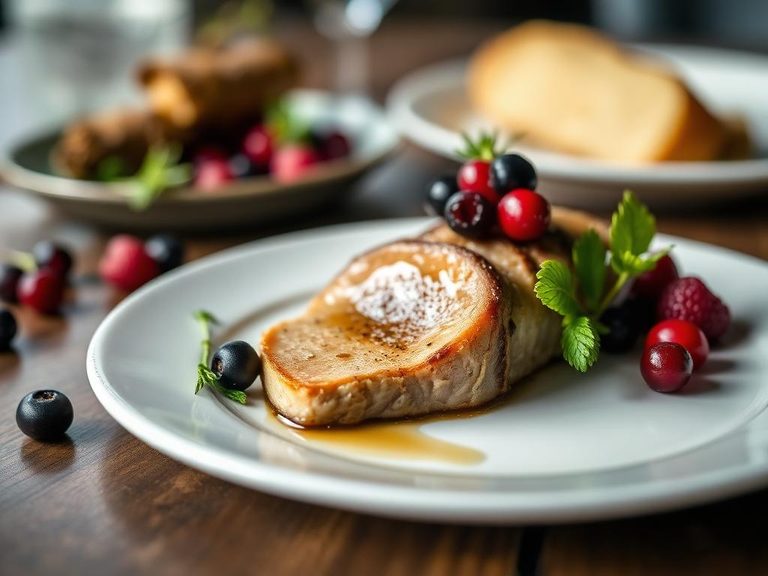
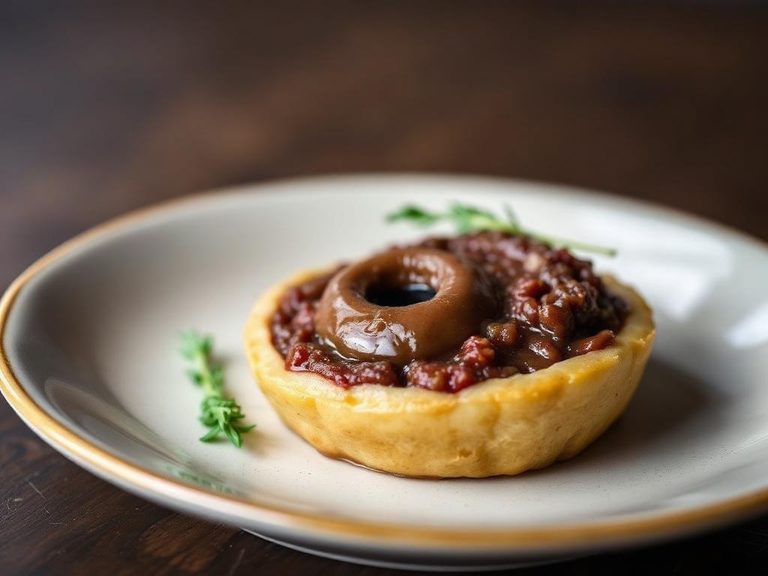
🍽️ Popular dishes
🌍 Where it's eaten
💡 Did you know?
Caribou eyes are often eaten raw or barely cooked by Alaska Native peoples, as the practice is believed to provide the consumer with the animal's keen eyesight and connection to the environment.
Full nutrition (USDA data · scales with serving)
| Water | 57.1 g |
| Energy | 326 kcal |
| Energy | 1365 kj |
| Protein | 10.8 g |
| Total lipid (fat) | 31.4 g |
| Ash | 0.60 g |
| Carbohydrate, by difference | 0.00 g |
| Calcium, Ca | 19.0 mg |
| Iron, Fe | 4.7 mg |
| Phosphorus, P | 58.0 mg |
| Thiamin | 0.01 mg |
| Riboflavin | 0.05 mg |
| Niacin | 0.20 mg |
| Vitamin A, IU | 400 iu |
Fat & fatty acid profile (per 100g)
Estimated from Game meat, caribou, raw — USDA does not publish this profile for Caribou.
| Fatty acids, total saturated | 1.3 g |
| SFA 14:0 | 0.09 g |
| SFA 16:0 | 0.68 g |
| SFA 18:0 | 0.45 g |
| Fatty acids, total monounsaturated | 1.0 g |
| MUFA 16:1 | 0.08 g |
| MUFA 18:1 | 0.93 g |
| Fatty acids, total polyunsaturated | 0.47 g |
| PUFA 18:2 | 0.23 g |
| PUFA 18:3 | 0.03 g |
| PUFA 20:4 | 0.14 g |
| PUFA 22:5 n-3 (DPA) | 0.02 g |
| PUFA 22:6 n-3 (DHA) | 0.05 g |
| Cholesterol | 83.0 mg |
Amino acid profile (per 100g)
Estimated from Game meat, caribou, raw — USDA does not publish this profile for Caribou.
| Tryptophan | 0.35 g |
| Threonine | 0.97 g |
| Isoleucine | 1.0 g |
| Leucine | 1.9 g |
| Lysine | 2.0 g |
| Methionine | 0.51 g |
| Cystine | 0.16 g |
| Phenylalanine | 1.0 g |
| Tyrosine | 0.74 g |
| Valine | 1.1 g |
| Arginine | 1.3 g |
| Histidine | 0.90 g |
| Alanine | 1.2 g |
| Aspartic acid | 2.0 g |
| Glutamic acid | 3.6 g |
| Glycine | 0.95 g |
| Proline | 0.70 g |
| Serine | 0.80 g |
FAQ
What does caribou eye taste like?
Caribou eye has a strong, gamey flavor with a rich, fatty taste, and a texture that can be chewy or gelatinous depending on preparation.
Is caribou eye safe to eat raw?
In traditional Alaska Native practices, caribou eye is often consumed raw, but it should be sourced from healthy animals and handled with proper hygiene to minimize risks.
How is caribou eye typically prepared?
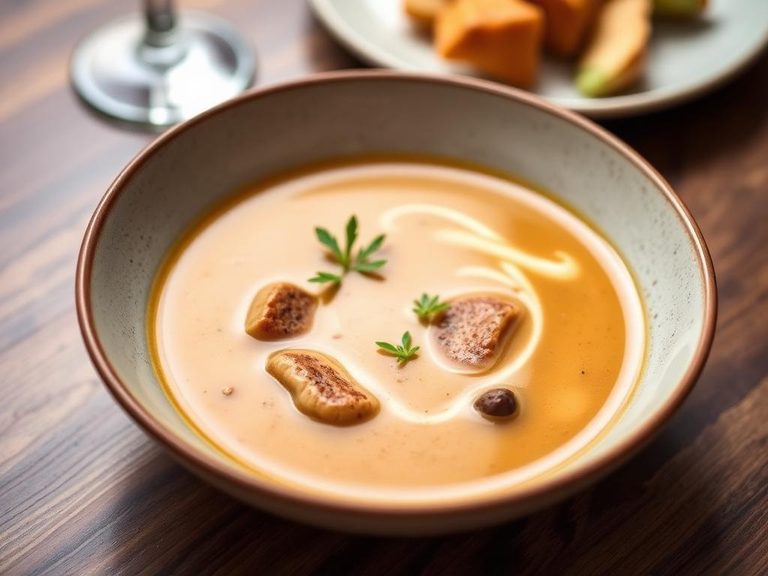
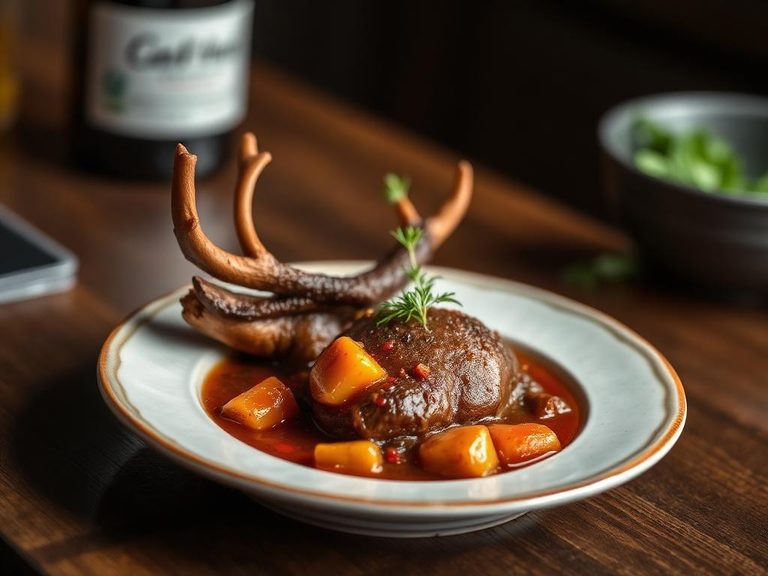
It can be eaten raw, boiled, or added to stews and soups, often paired with other traditional ingredients like berries or root vegetables.
What nutrients are in caribou eye?
Caribou eye is high in fat (31.4g per 100g) and protein (10.8g per 100g), with zero carbs, making it a dense source of energy and nutrients.
Weight-loss friendliness (composite index)
Energy density 3.26 kcal/g · 13% calories from protein · 0.0 g fiber · 0.0 g sugar per 100 g.
Composite of energy density (Rolls et al., 1999), protein & fiber satiety, minus sugar. A calculated heuristic — ranks satiety-per-calorie, not a clinical measure.