

Beans, cannellini, dry
Whole food · Legumes and Legume Products

Photo: Wikipedia
Cannellini beans are large, creamy-white kidney beans prized for their smooth, velvety texture and mild, nutty flavor that absorbs surrounding seasonings beautifully. Nutritionally, they are a protein-packed powerhouse, delivering over 21 grams per 100g dry, with a substantial carbohydrate base for sustained energy. Their classic appearance is a staple in hearty, comforting dishes.
Calorie split: 25% protein · 69% carbs · 6% fat
↓ Full nutrition💚 Why it's loved
People love cannellini beans for their incredibly satisfying, creamy texture that becomes silky when cooked, and their ability to act as a blank canvas for bold flavors like garlic, rosemary, and tomato. They are the heart of beloved comfort foods across multiple cuisines, from Italian soups to hearty stews.
⚠️ Watch-outs & how to enjoy it better
As a dried legume, they require planning (soaking and long cooking) which can be a deterrent for quick meals. Their high carbohydrate content means portion control is important for those monitoring blood sugar levels. To counteract this, pair them with non-starchy vegetables and a source of healthy fat or protein to slow digestion, and ensure they are thoroughly cooked to improve digestibility.
Key benefits
- Excellent source of plant-based protein
- Rich in complex carbohydrates for energy
- Very low in fat
- Good source of minerals like iron and magnesium
- Versatile base for both hot and cold dishes
🍽️ Popular dishes
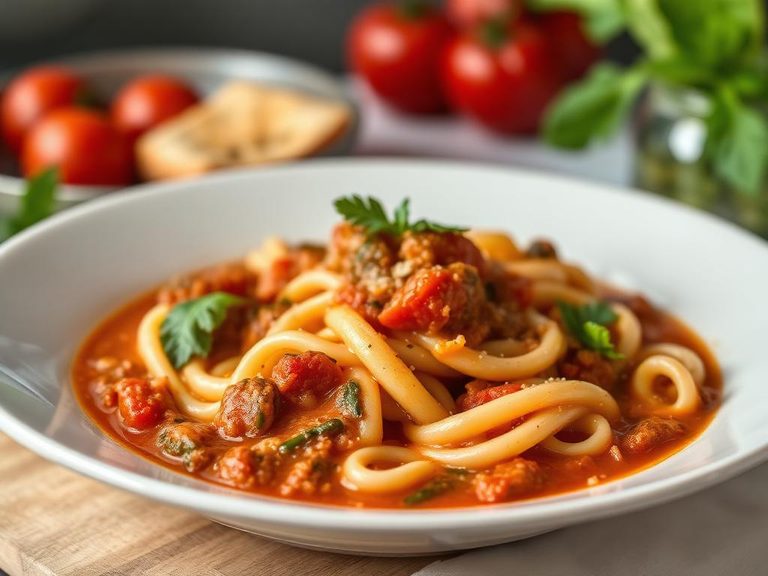
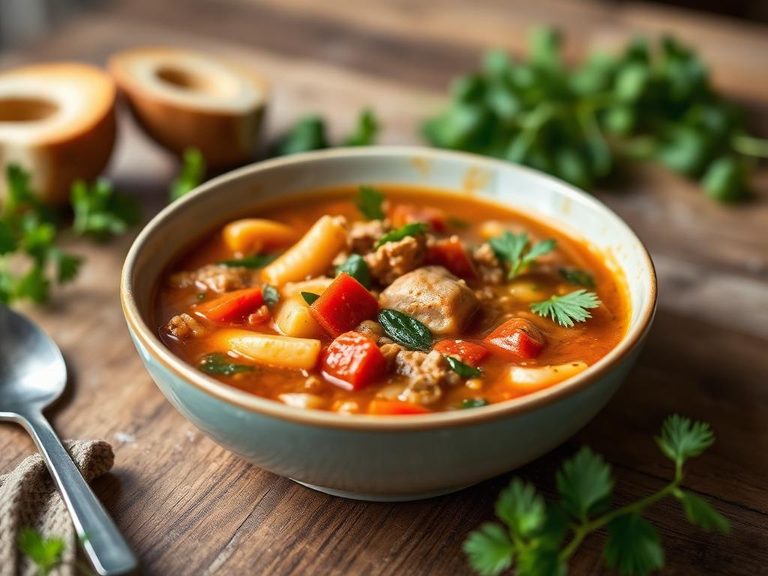
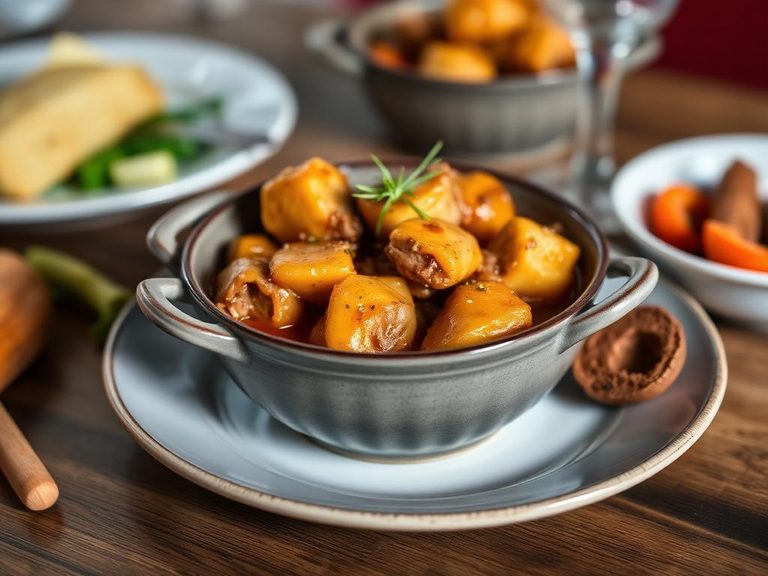
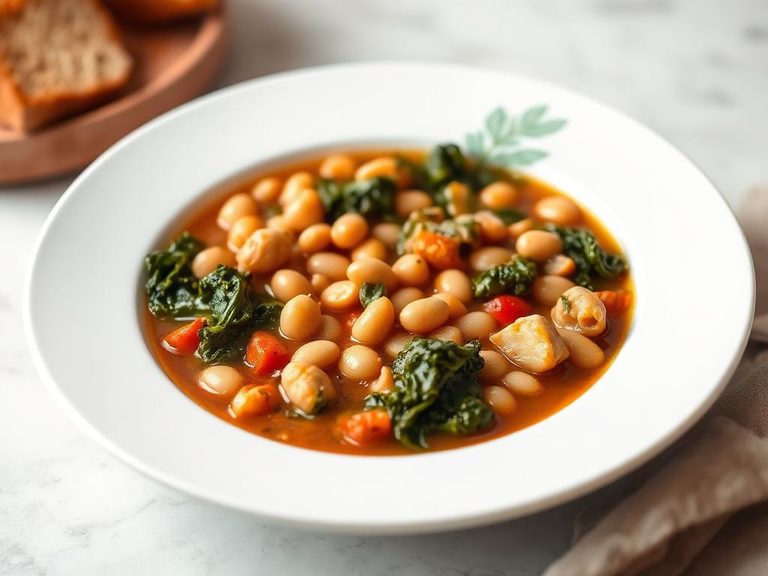
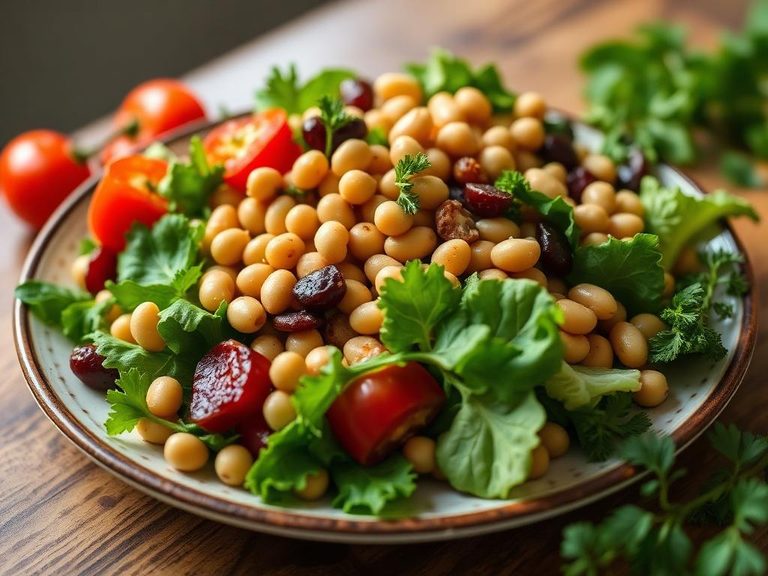
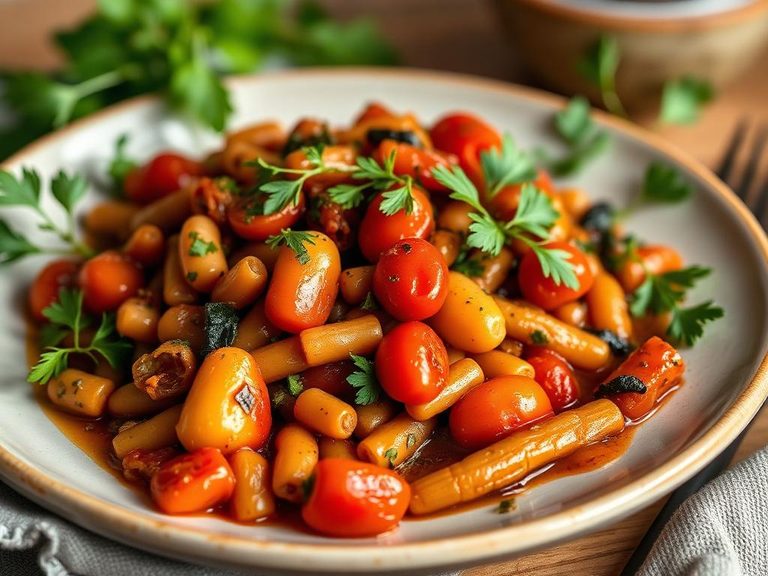
🌍 Where it's eaten
💡 Did you know?
The name 'cannellini' comes from the Italian word 'cannella,' meaning 'little tube,' which perfectly describes their distinct, slightly curved, kidney-like shape.
Full nutrition (USDA data · scales with serving)
| Water | 12.3 g |
| Energy (Atwater General Factors) | 345 kcal |
| Energy (Atwater Specific Factors) | 337 kcal |
| Nitrogen | 3.5 g |
| Protein | 21.6 g |
| Total lipid (fat) | 2.2 g |
| Ash | 4.1 g |
| Carbohydrate, by difference | 59.8 g |
| Starch | 29.9 g |
| Resistant starch | 33.0 g |
| Calcium, Ca | 143 mg |
| Iron, Fe | 6.7 mg |
| Magnesium, Mg | 154 mg |
| Phosphorus, P | 412 mg |
| Potassium, K | 1424 mg |
| Sodium, Na | 0.00 mg |
| Zinc, Zn | 2.7 mg |
| Copper, Cu | 0.74 mg |
| Manganese, Mn | 1.8 mg |
Fat & fatty acid profile (per 100g)
Estimated from Lima beans, thin seeded (baby), mature seeds, cooked, boiled, without salt — USDA does not publish this profile for Beans.
| Fatty acids, total saturated | 0.09 g |
| SFA 12:0 | 0.00 g |
| SFA 14:0 | 0.00 g |
| SFA 16:0 | 0.07 g |
| SFA 18:0 | 0.02 g |
| Fatty acids, total monounsaturated | 0.03 g |
| MUFA 16:1 | 0.00 g |
| MUFA 18:1 | 0.03 g |
| MUFA 20:1 | 0.00 g |
| MUFA 22:1 | 0.00 g |
| Fatty acids, total polyunsaturated | 0.17 g |
| PUFA 18:2 | 0.12 g |
| PUFA 18:3 | 0.05 g |
| Fatty acids, total trans | 0.00 g |
| Cholesterol | 0.00 mg |
Amino acid profile (per 100g)
Estimated from Lima beans, thin seeded (baby), mature seeds, cooked, boiled, without salt — USDA does not publish this profile for Beans.
| Tryptophan | 0.10 g |
| Threonine | 0.35 g |
| Isoleucine | 0.42 g |
| Leucine | 0.69 g |
| Lysine | 0.54 g |
| Methionine | 0.10 g |
| Cystine | 0.09 g |
| Phenylalanine | 0.46 g |
| Tyrosine | 0.28 g |
| Valine | 0.48 g |
| Arginine | 0.49 g |
| Histidine | 0.25 g |
| Alanine | 0.41 g |
| Aspartic acid | 1.0 g |
| Glutamic acid | 1.1 g |
| Glycine | 0.34 g |
| Proline | 0.37 g |
| Serine | 0.54 g |
FAQ
What's the difference between cannellini beans and other white beans?
Cannellini beans are the largest of the common white beans, with a distinctive kidney shape and a very smooth, creamy texture when cooked. They are often preferred for soups and salads where a bean that holds its shape well is desired.
Do I need to soak dried cannellini beans?
Yes, soaking dried beans overnight (or using a quick-soak method) is highly recommended. It reduces cooking time, helps ensure even cooking, and can make the beans easier to digest by breaking down some complex sugars.
Are canned cannellini beans a good substitute for dried?
Canned beans are a convenient and nutritious substitute. They are pre-cooked, so you can add them directly to dishes. Rinse them well under water to remove excess sodium from the canning liquid.
Nutrient density (calculated · NRF9.3)
Nutrient Rich Foods index: beneficial nutrients (protein, fiber, vitamins, minerals) minus saturated fat, added sugar & sodium, per 100 kcal.
NRF9.3 index — Fulgoni, Keast & Drewnowski, 2009. Computed from USDA nutrients.
Weight-loss friendliness (composite index)
Energy density 3.45 kcal/g · 25% calories from protein · 0.0 g fiber · 0.0 g sugar per 100 g.
Composite of energy density (Rolls et al., 1999), protein & fiber satiety, minus sugar. A calculated heuristic — ranks satiety-per-calorie, not a clinical measure.
Dietary load (calculated from USDA values)
Potential renal acid load. Positive = acid-forming, negative = alkaline-forming.
Sodium-to-potassium ratio: 0.00 (lower is better — aim for ≤ 1)
Sodium:potassium per WHO potassium guidance. Computed from USDA nutrients.