

Beans, cannellini, canned, sodium added, drained and rinsed
Whole food · Legumes and Legume Products

Photo: Wikipedia
Cannellini beans are large, kidney-shaped white beans with a creamy, velvety texture and a mild, nutty flavor that becomes buttery when cooked. Canned and rinsed, they offer a convenient, protein-rich staple that absorbs surrounding flavors beautifully. With 7.4g of protein and 18.8g of carbs per 100g, they provide a satisfying, energy-dense base for countless dishes.
Calorie split: 26% protein · 65% carbs · 9% fat
↓ Full nutrition💚 Why it's loved
People love cannellini beans for their creamy, almost meaty texture that holds up in hearty dishes while absorbing herbs and spices. They're a cornerstone of Italian and Mediterranean cooking, beloved for their ability to transform simple meals into comforting, satisfying fare.
⚠️ Watch-outs & how to enjoy it better
Canned versions can be high in sodium (rinsing reduces this by about 40%), and their high carb content may cause blood sugar spikes if eaten alone. Pair them with healthy fats like olive oil or lean protein to slow digestion, and always rinse thoroughly to lower sodium. Those with legume sensitivities should start with small portions.
Key benefits
- Excellent plant-based protein source (7.4g per 100g)
- Low in fat (1.2g per 100g) and naturally cholesterol-free
- Rich in complex carbohydrates for sustained energy
- Convenient and shelf-stable when canned
- Versatile base for soups, salads, and stews
🍽️ Popular dishes
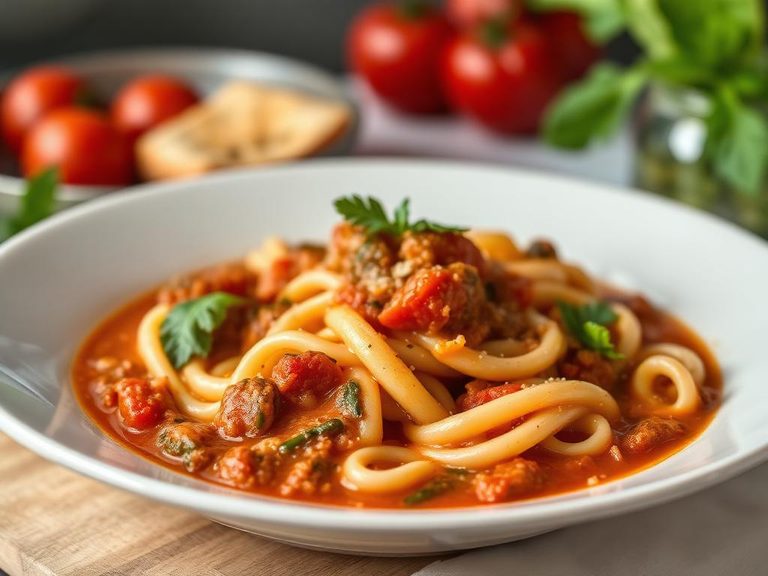
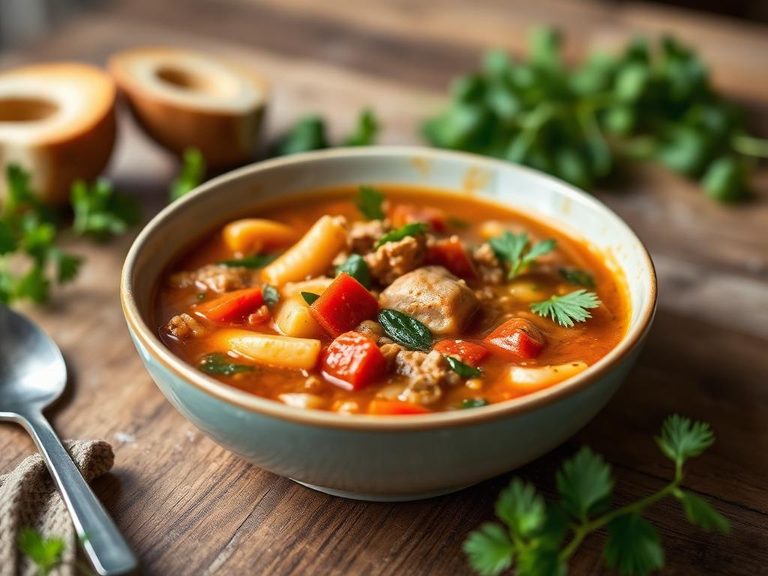
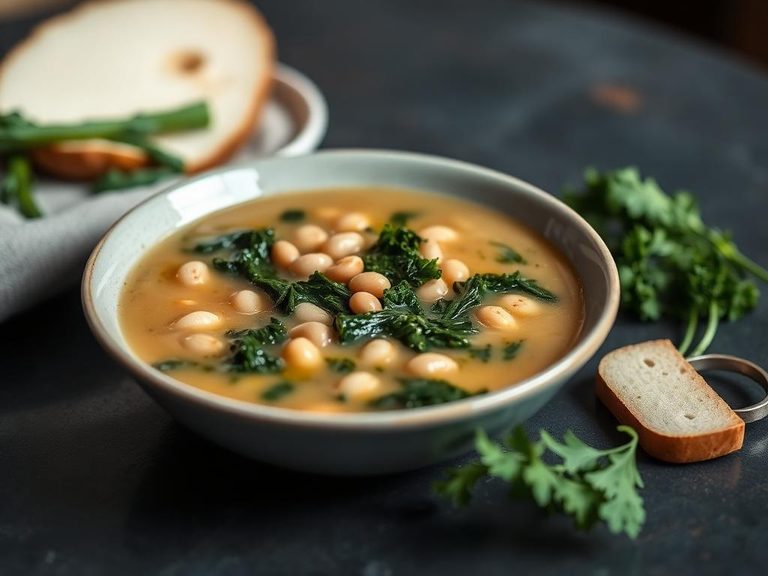
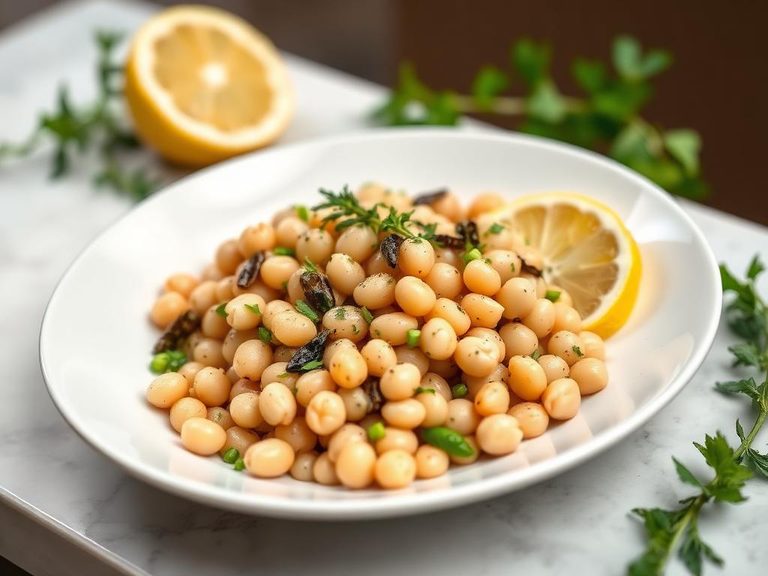
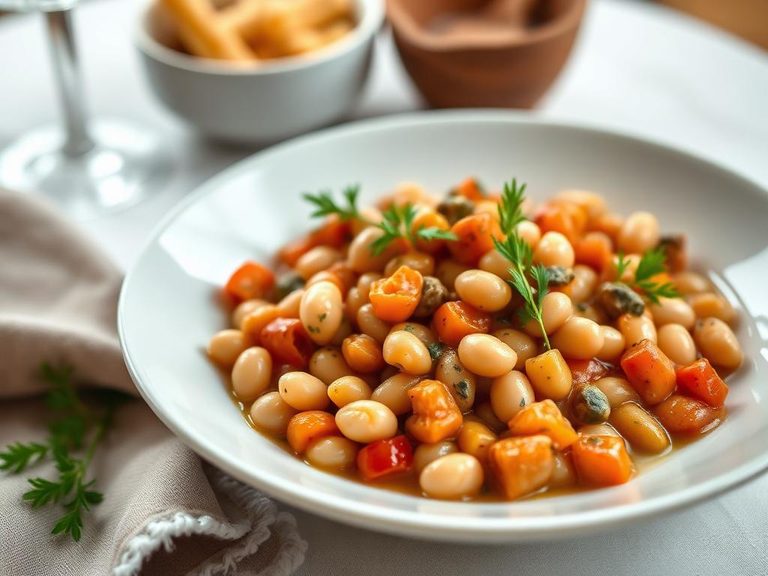
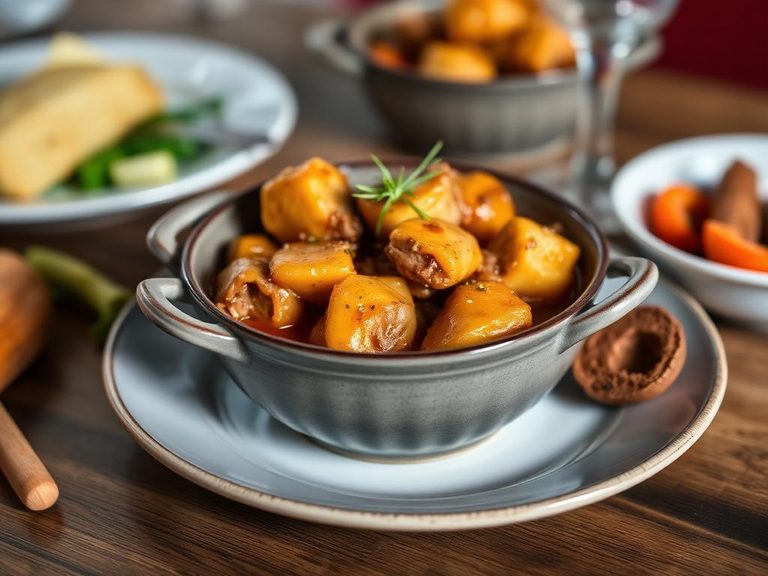
🌍 Where it's eaten
💡 Did you know?
Cannellini beans are often called 'white kidney beans' and were originally cultivated in South America before becoming a staple in Italian cuisine, particularly in Tuscany where they're known as 'fagioli cannellini'.
Full nutrition (USDA data · scales with serving)
| Water | 71.5 g |
| Energy (Atwater General Factors) | 115 kcal |
| Energy (Atwater Specific Factors) | 112 kcal |
| Nitrogen | 1.2 g |
| Protein | 7.4 g |
| Total lipid (fat) | 1.2 g |
| Ash | 1.1 g |
| Carbohydrate, by difference | 18.8 g |
| Total dietary fiber (AOAC 2011.25) | 6.8 g |
| Starch | 11.3 g |
| Resistant starch | 2.0 g |
| Calcium, Ca | 69.2 mg |
| Iron, Fe | 1.4 mg |
| Magnesium, Mg | 29.3 mg |
| Phosphorus, P | 94.7 mg |
| Potassium, K | 203 mg |
| Sodium, Na | 164 mg |
| Zinc, Zn | 0.52 mg |
| Copper, Cu | 0.22 mg |
| Manganese, Mn | 0.37 mg |
Fat & fatty acid profile (per 100g)
Estimated from Lima beans, thin seeded (baby), mature seeds, cooked, boiled, without salt — USDA does not publish this profile for Beans.
| Fatty acids, total saturated | 0.09 g |
| SFA 12:0 | 0.00 g |
| SFA 14:0 | 0.00 g |
| SFA 16:0 | 0.07 g |
| SFA 18:0 | 0.02 g |
| Fatty acids, total monounsaturated | 0.03 g |
| MUFA 16:1 | 0.00 g |
| MUFA 18:1 | 0.03 g |
| MUFA 20:1 | 0.00 g |
| MUFA 22:1 | 0.00 g |
| Fatty acids, total polyunsaturated | 0.17 g |
| PUFA 18:2 | 0.12 g |
| PUFA 18:3 | 0.05 g |
| Fatty acids, total trans | 0.00 g |
| Cholesterol | 0.00 mg |
Amino acid profile (per 100g)
Estimated from Lima beans, thin seeded (baby), mature seeds, cooked, boiled, without salt — USDA does not publish this profile for Beans.
| Tryptophan | 0.10 g |
| Threonine | 0.35 g |
| Isoleucine | 0.42 g |
| Leucine | 0.69 g |
| Lysine | 0.54 g |
| Methionine | 0.10 g |
| Cystine | 0.09 g |
| Phenylalanine | 0.46 g |
| Tyrosine | 0.28 g |
| Valine | 0.48 g |
| Arginine | 0.49 g |
| Histidine | 0.25 g |
| Alanine | 0.41 g |
| Aspartic acid | 1.0 g |
| Glutamic acid | 1.1 g |
| Glycine | 0.34 g |
| Proline | 0.37 g |
| Serine | 0.54 g |
FAQ
How do I reduce sodium in canned cannellini beans?
Rinse them thoroughly under cold running water for 30-60 seconds, which can reduce sodium by up to 40%. You can also look for 'no salt added' varieties.
Are cannellini beans good for blood sugar management?
They have a moderate glycemic index, but pairing them with protein or fat (like olive oil or chicken) can help slow glucose absorption and prevent spikes.
Can I substitute cannellini beans in recipes?
Yes, great substitutes include Great Northern beans, navy beans, or chickpeas, though texture and flavor will vary slightly.
Nutrient density (calculated · NRF9.3)
Nutrient Rich Foods index: beneficial nutrients (protein, fiber, vitamins, minerals) minus saturated fat, added sugar & sodium, per 100 kcal.
NRF9.3 index — Fulgoni, Keast & Drewnowski, 2009. Computed from USDA nutrients.
Weight-loss friendliness (composite index)
Energy density 1.15 kcal/g · 26% calories from protein · 0.0 g fiber · 0.0 g sugar per 100 g.
Composite of energy density (Rolls et al., 1999), protein & fiber satiety, minus sugar. A calculated heuristic — ranks satiety-per-calorie, not a clinical measure.
Dietary load (calculated from USDA values)
Potential renal acid load. Positive = acid-forming, negative = alkaline-forming.
Sodium-to-potassium ratio: 0.81 (lower is better — aim for ≤ 1)
Sodium:potassium per WHO potassium guidance. Computed from USDA nutrients.