

Wheat, khorasan, cooked
Whole food · Cereal Grains and Pasta

Photo: Wikipedia
Khorasan wheat, often sold under the trademark Kamut, is an ancient grain with large, golden kernels. When cooked, it offers a satisfyingly chewy texture and a distinctively rich, nutty, and slightly buttery flavor. Its standout nutritional feature is its high protein content, providing over 5 grams per 100 grams cooked, along with a good dose of fiber.
Calorie split: 16% protein · 78% carbs · 5% fat
↓ Full nutrition💚 Why it's loved
People cherish it for its robust, almost savory flavor that elevates simple grain bowls and salads. Its hearty chew and ability to absorb dressings make it a versatile and satisfying base for countless dishes.
⚠️ Watch-outs & how to enjoy it better
As a form of wheat, it contains gluten and is unsuitable for those with celiac disease or gluten sensitivity. Its high carbohydrate content can impact blood sugar, so pairing it with protein and healthy fats is advisable for better glycemic control.
Key benefits
- High in plant-based protein
- Good source of dietary fiber
- Rich in minerals like selenium and magnesium
- Contains more antioxidants than modern wheat
- Provides sustained energy from complex carbs
🍽️ Popular dishes
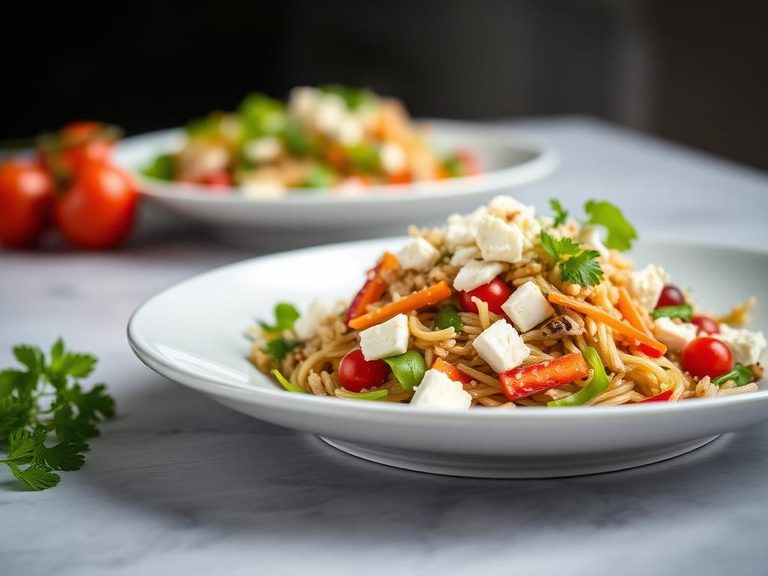
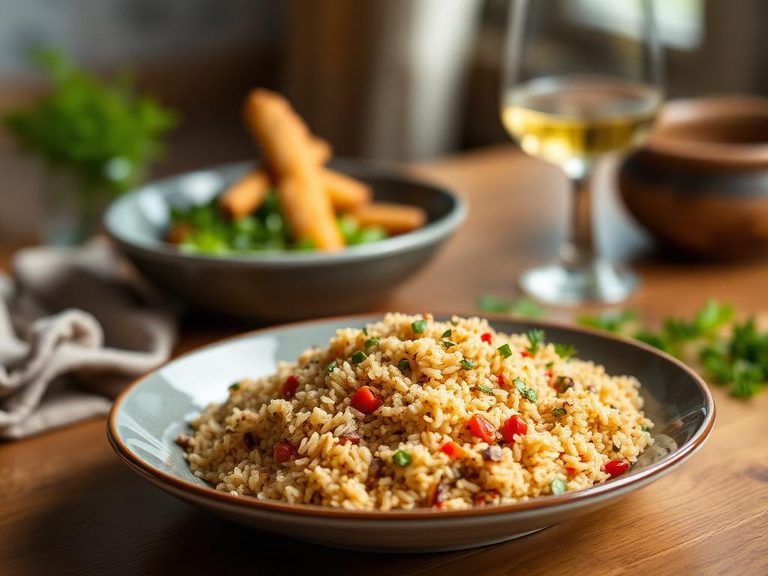

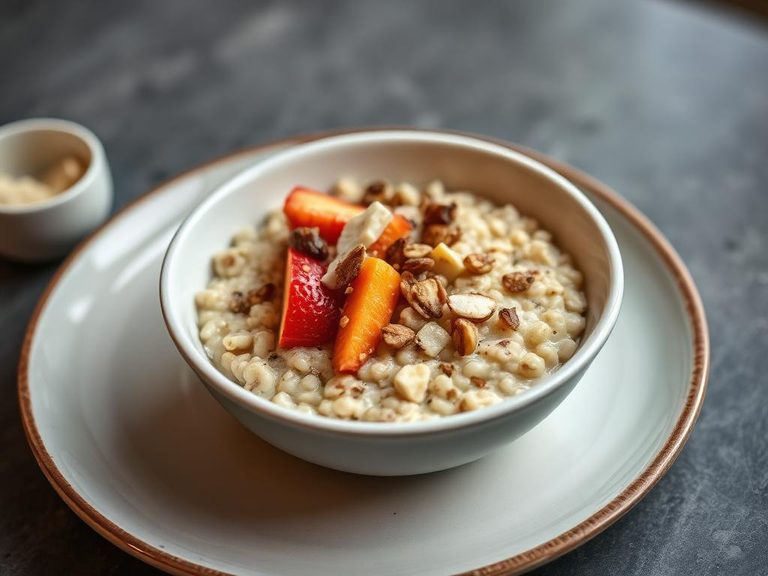

🌍 Where it's eaten
💡 Did you know?
The name 'Kamut' is a registered trademark of a specific brand of khorasan wheat, which is why you often see it labeled as such in stores.
Full nutrition (USDA data · scales with serving)
| Water | 65.2 g |
| Energy | 132 kcal |
| Energy | 552 kj |
| Protein | 5.7 g |
| Total lipid (fat) | 0.83 g |
| Ash | 0.67 g |
| Carbohydrate, by difference | 27.6 g |
| Fiber, total dietary | 4.3 g |
| Total Sugars | 3.1 g |
| Calcium, Ca | 9.0 mg |
| Iron, Fe | 1.8 mg |
| Magnesium, Mg | 48.0 mg |
| Phosphorus, P | 147 mg |
| Potassium, K | 164 mg |
| Sodium, Na | 8.0 mg |
| Zinc, Zn | 1.8 mg |
| Copper, Cu | 0.21 mg |
| Manganese, Mn | 1.0 mg |
| Selenium, Se | 31.9 ug |
| Thiamin | 0.10 mg |
| Riboflavin | 0.03 mg |
| Niacin | 2.3 mg |
| Vitamin B-6 | 0.07 mg |
| Folate, total | 11.0 ug |
| Folic acid | 0.00 ug |
| Folate, food | 11.0 ug |
| Folate, DFE | 11.0 ug |
| Vitamin B-12 | 0.00 ug |
| Retinol | 0.00 ug |
| Vitamin A, IU | 4.0 iu |
| Vitamin E (alpha-tocopherol) | 0.24 mg |
Fat & fatty acid profile (per 100g)
| Fatty acids, total saturated | 0.08 g |
| Fatty acids, total monounsaturated | 0.08 g |
| Fatty acids, total polyunsaturated | 0.24 g |
| Fatty acids, total trans | 0.00 g |
| Cholesterol | 0.00 mg |
Amino acid profile (per 100g)
| Tryptophan | 0.05 g |
| Threonine | 0.17 g |
| Isoleucine | 0.22 g |
| Leucine | 0.43 g |
| Lysine | 0.16 g |
| Methionine | 0.10 g |
| Cystine | 0.12 g |
| Phenylalanine | 0.30 g |
| Tyrosine | 0.14 g |
| Valine | 0.27 g |
| Arginine | 0.27 g |
| Histidine | 0.15 g |
| Alanine | 0.21 g |
| Aspartic acid | 0.31 g |
| Glutamic acid | 1.9 g |
| Glycine | 0.23 g |
| Proline | 0.62 g |
| Serine | 0.29 g |
FAQ
What is the difference between khorasan wheat and Kamut?
Kamut is a brand name for a specific variety of khorasan wheat that is grown under strict organic standards. All Kamut is khorasan wheat, but not all khorasan wheat is Kamut.
Is khorasan wheat gluten-free?
No, khorasan wheat is a type of wheat and contains gluten. It is not safe for individuals with celiac disease or non-celiac gluten sensitivity.
How does its nutrition compare to brown rice?
Khorasan wheat has significantly more protein (about 5.7g vs. 2.6g per 100g cooked) and fiber than brown rice, but also more carbohydrates.
Nutrient density (calculated · NRF9.3)
Nutrient Rich Foods index: beneficial nutrients (protein, fiber, vitamins, minerals) minus saturated fat, added sugar & sodium, per 100 kcal.
NRF9.3 index — Fulgoni, Keast & Drewnowski, 2009. Computed from USDA nutrients.
Weight-loss friendliness (composite index)
Energy density 1.32 kcal/g · 17% calories from protein · 4.3 g fiber · 3.1 g sugar per 100 g.
Composite of energy density (Rolls et al., 1999), protein & fiber satiety, minus sugar. A calculated heuristic — ranks satiety-per-calorie, not a clinical measure.
Dietary load (calculated from USDA values)
Potential renal acid load. Positive = acid-forming, negative = alkaline-forming.
Sodium-to-potassium ratio: 0.05 (lower is better — aim for ≤ 1)
Sodium:potassium per WHO potassium guidance. Computed from USDA nutrients.