Ancient grain pilaf
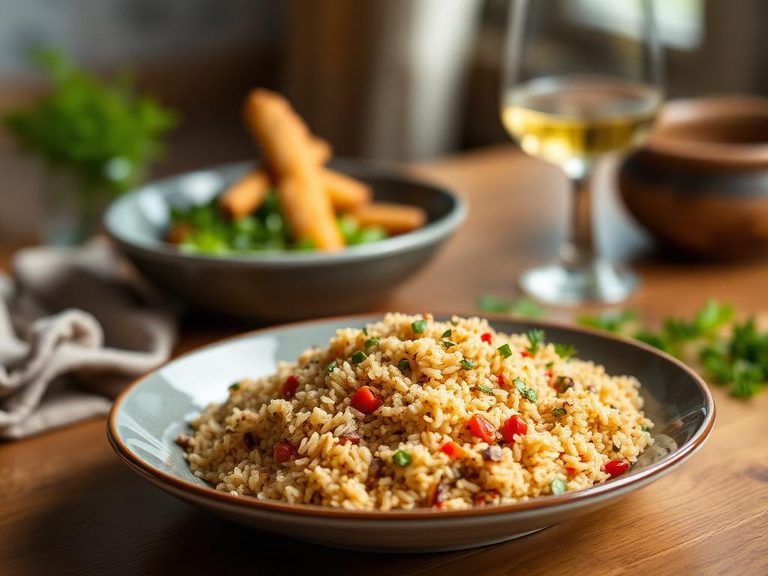
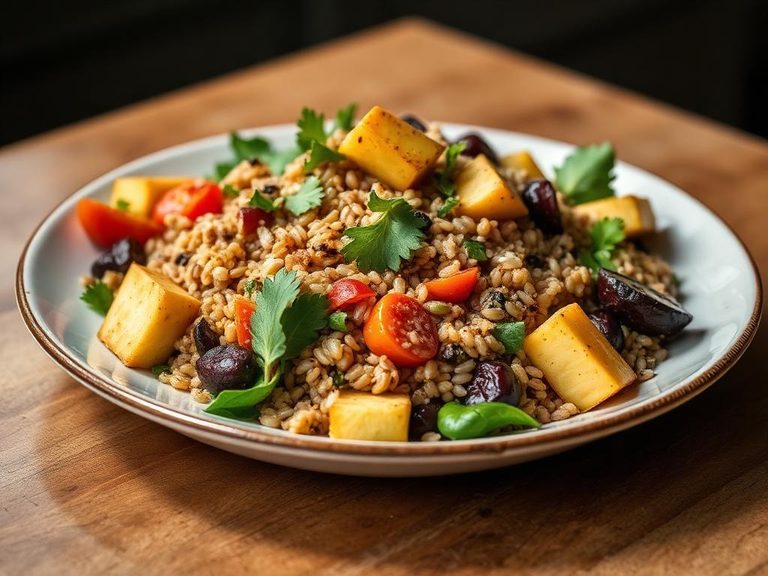
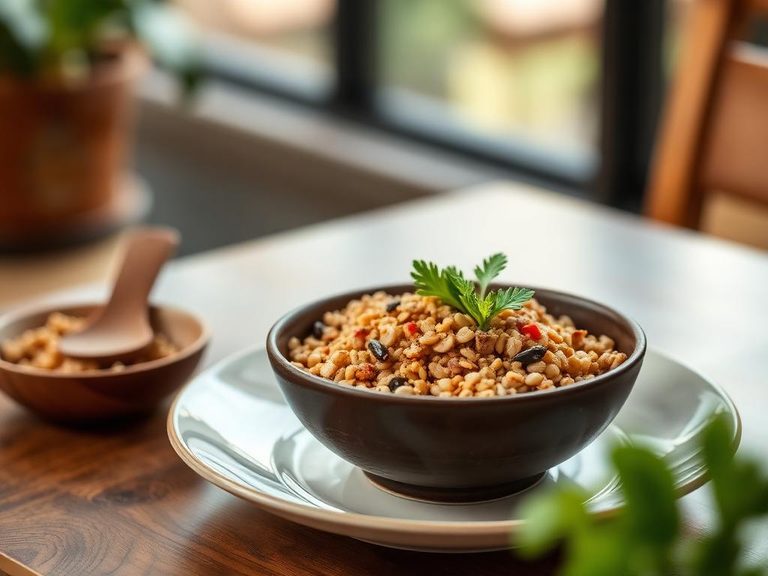
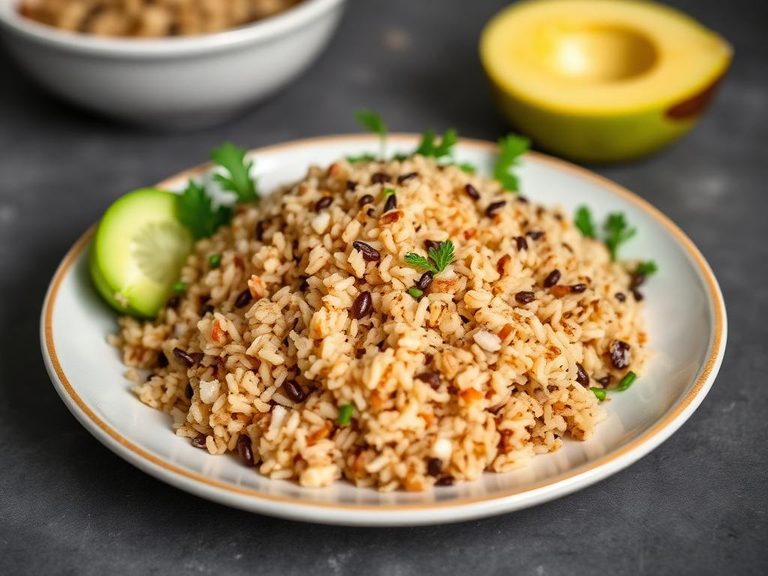
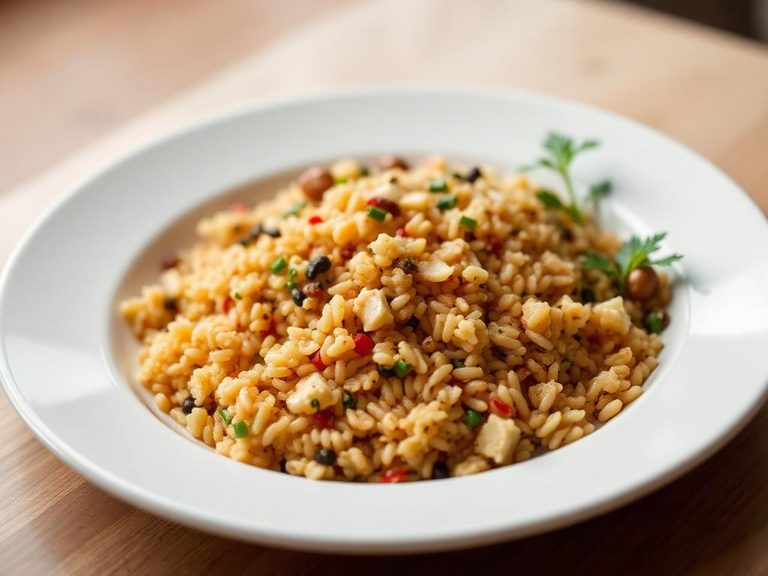
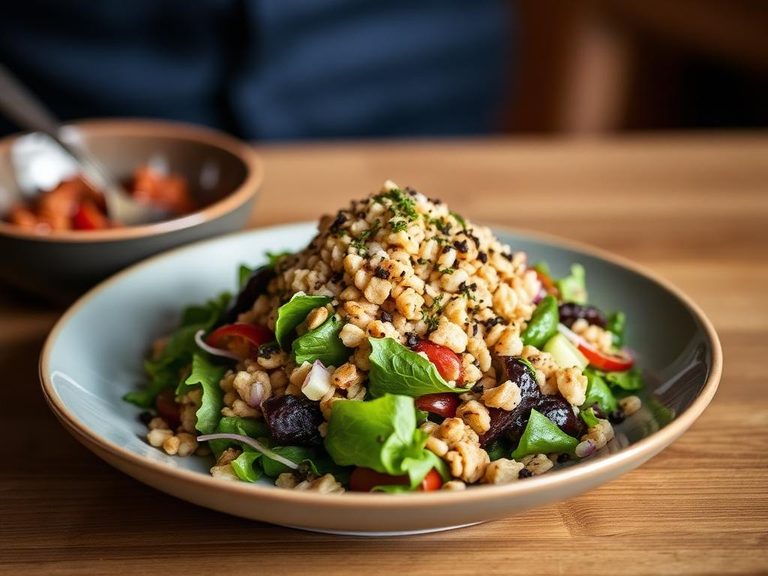
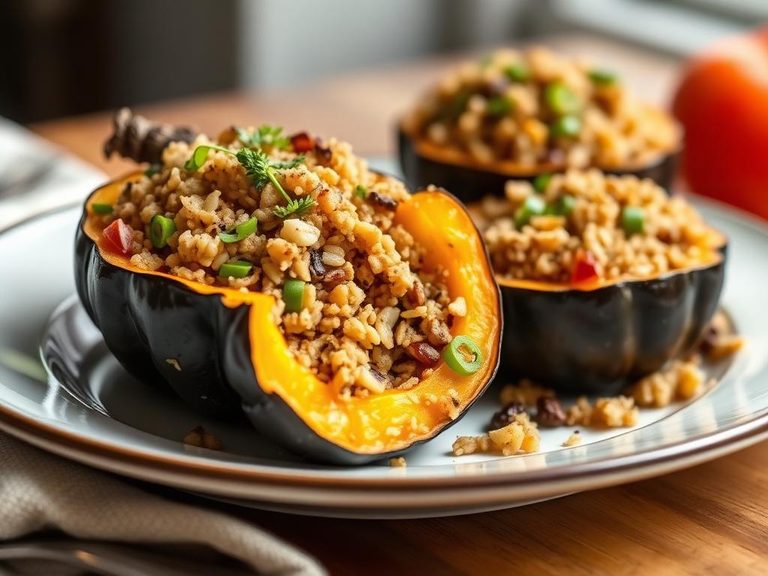
Ancient grain pilaf is a hearty, aromatic dish made by cooking a blend of heritage grains like farro, spelt, or freekeh in seasoned broth with vegetables and herbs. Originating from various cultures across the Middle East, Mediterranean, and Central Asia, it serves as a nutritious and flavorful side or main course. The dish is celebrated for its nutty texture and ability to absorb the rich flavors of spices and aromatics.
🍽️ Nutrition at a glance
This dish is a balanced source of complex carbohydrates and plant-based protein, with a moderate amount of healthy fats from added oils or nuts. It provides essential nutrients like fiber, iron, and magnesium, with a typical serving ranging from 250 to 350 calories.
Nutrition breakdown
| Calories | 280 kcal |
| Protein | 8 g |
| Carbs | 45 g |
| Fat | 8 g |
| Fiber | 6 g |
| Sugar | 3 g |
| Sodium | 350 mg |
| Iron | 3.5 mg |
| Magnesium | 80 mg |
| Phosphorus | 200 mg |
| Zinc | 2.5 mg |
| Thiamine (B1) | 0.3 mg |
| Niacin (B3) | 4.5 mg |
| Potassium | 300 mg |
| Selenium | 15 mcg |
Per 1 cup (240 g) · estimated, varies by recipe
💡 What's interesting
Ancient grains like farro and freekeh have been cultivated for thousands of years, offering a connection to historical agricultural practices and traditional diets. Nutritionally, these grains often have a lower glycemic index than modern wheat, making them a sustained energy source and beneficial for blood sugar management.