Ancient Grain Bowl
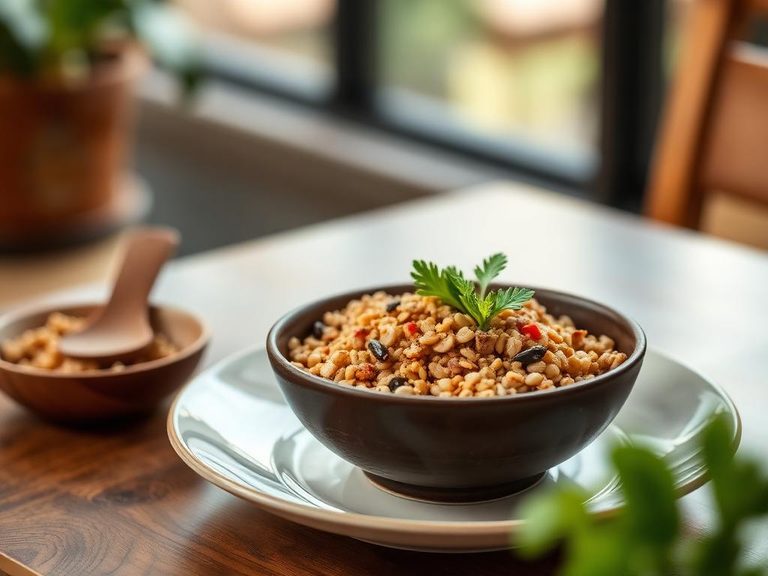
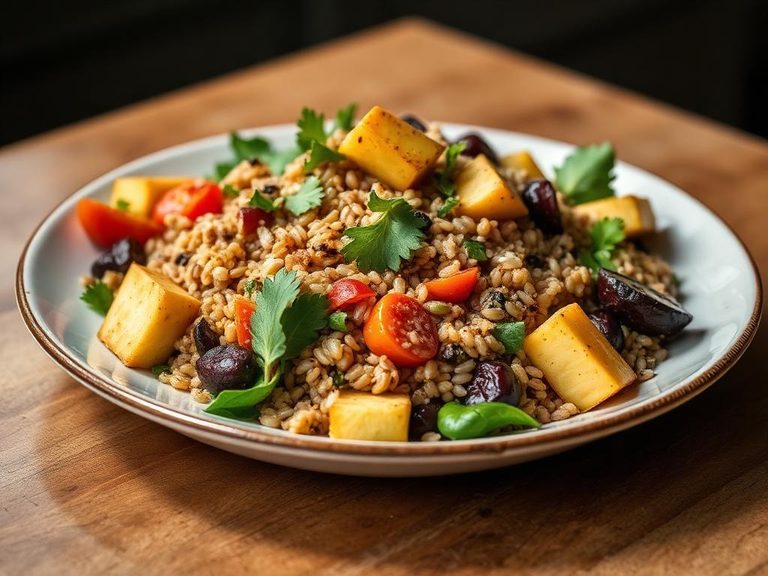
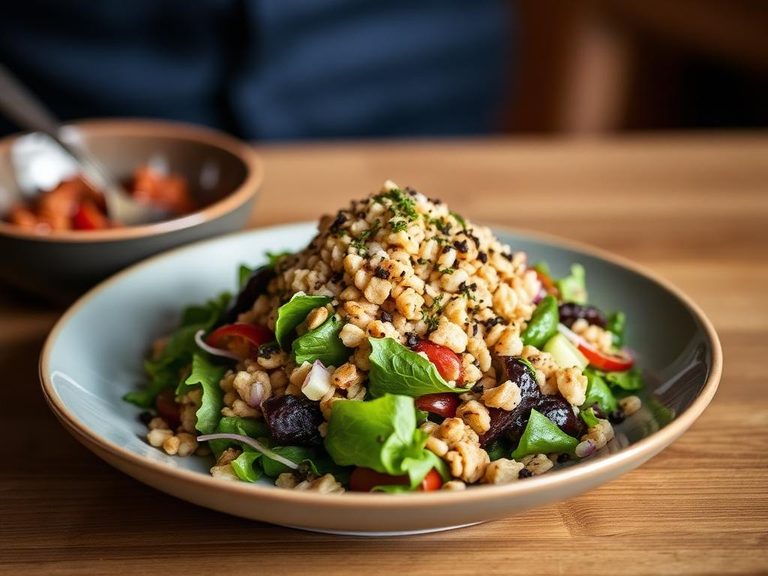
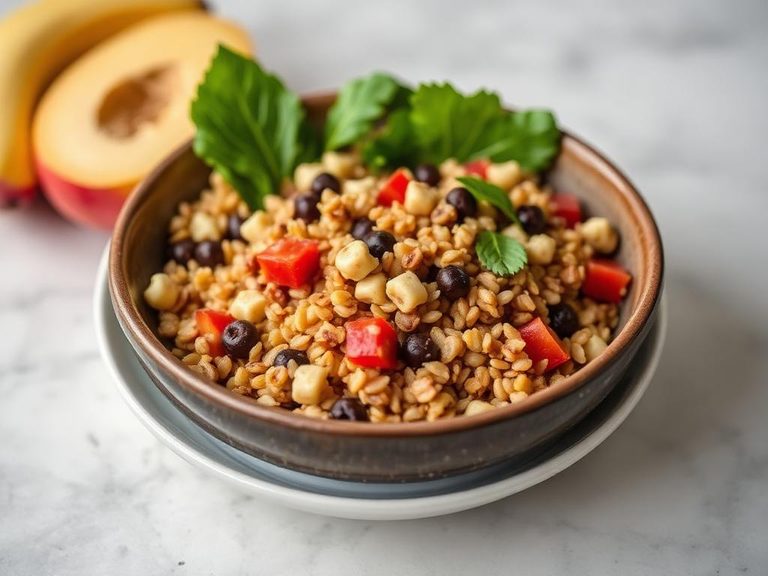
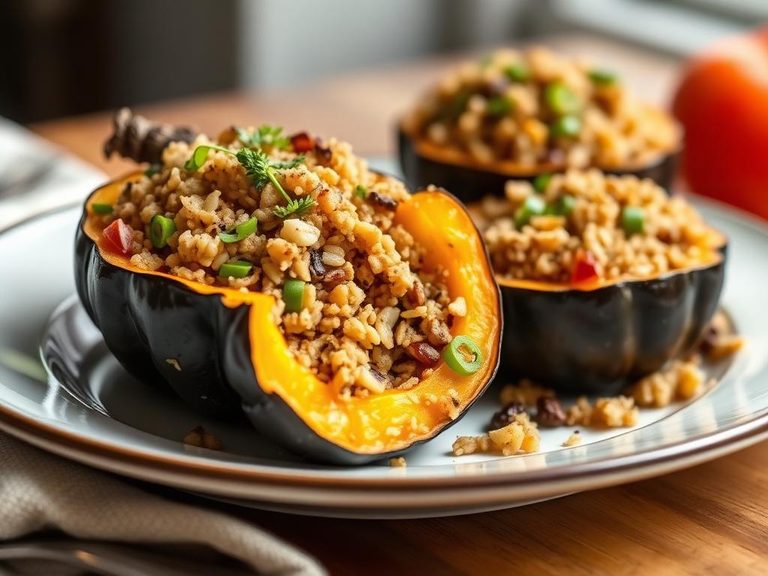
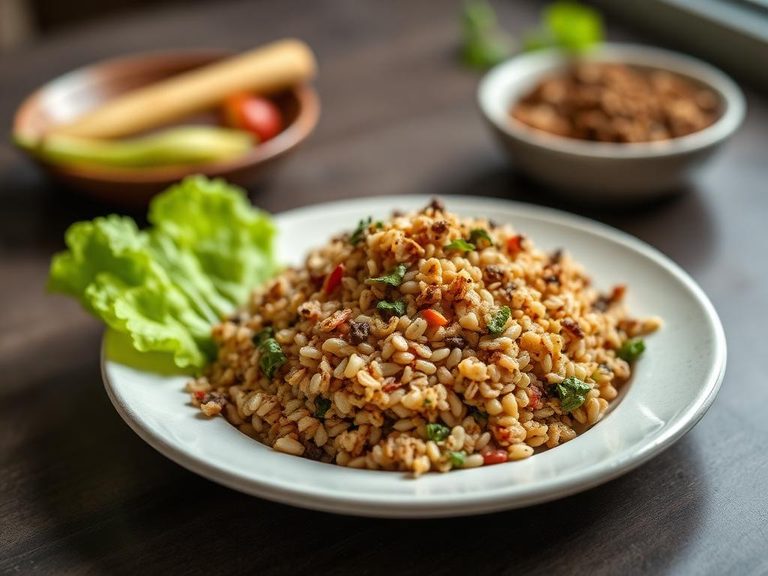
An Ancient Grain Bowl is a modern, customizable dish centered on cooked ancient grains like quinoa, farro, or millet, typically topped with a variety of vegetables, proteins, and a flavorful dressing. It draws inspiration from global health-food trends but often incorporates ingredients with historical roots from regions like the Andes, the Mediterranean, and Africa. The bowl is celebrated for its versatility and nutrient-dense composition.
🍽️ Nutrition at a glance
This dish is generally balanced, offering complex carbohydrates for sustained energy, plant-based protein, and healthy fats depending on toppings. It is a good source of fiber, B vitamins, and minerals like magnesium and iron, with a typical serving ranging from 400 to 600 calories.
Nutrition breakdown
| Calories | 520 kcal |
| Protein | 18 g |
| Carbs | 68 g |
| Fat | 20 g |
| Fiber | 12 g |
| Sugar | 6 g |
| Sodium | 380 mg |
| Iron | 4.5 mg |
| Magnesium | 120 mg |
| Phosphorus | 310 mg |
| Folate | 180 mcg |
| Vitamin B6 | 0.5 mg |
| Zinc | 3.2 mg |
| Manganese | 2.1 mg |
| Potassium | 480 mg |
Per 1 bowl (approx. 450 g) · estimated, varies by recipe
💡 What's interesting
Ancient grains themselves are nutritionally unique as they are often less processed than modern wheat, retaining more of their natural fiber, protein, and micronutrients. Culturally, the bowl format reflects a contemporary fusion of traditional ingredients from various civilizations into a single, convenient meal.