

Salad dressing, mayonnaise, soybean oil, without salt
Whole food · Fats and Oils

Photo: Wikipedia
This is a classic, oil-rich mayonnaise made from soybean oil, delivering a thick, creamy, and luxuriously smooth texture with a mild, tangy flavor profile. Nutritionally, it is almost pure fat, packing a high caloric density of 717 kcal per 100g, with negligible protein or carbohydrates. It's a foundational condiment for emulsifying and enriching dishes.
Calorie split: 1% protein · 1% carbs · 98% fat
↓ Full nutrition💚 Why it's loved
People love it for its unparalleled ability to add rich creaminess and a subtle tang to sandwiches, salads, and dips. Its neutral flavor profile makes it an incredibly versatile canvas for herbs, spices, and other seasonings in global cuisines.
⚠️ Watch-outs & how to enjoy it better
Its primary downside is its very high fat and calorie content, which can contribute to excess calorie intake if not portion-controlled. Those monitoring fat intake or managing conditions like pancreatitis should be cautious. Tip: Use it sparingly as a flavor enhancer or a thin spread rather than a primary ingredient, and pair it with fiber-rich vegetables or lean proteins to create a more balanced meal.
Key benefits
- Excellent source of vitamin E (tocopherols) from soybean oil
- Provides essential fatty acids, including omega-6 linoleic acid
- Acts as a key emulsifier to create stable, creamy sauces and dressings
- Offers a high-energy, calorie-dense option for palatability
- A versatile base for countless flavored mayonnaise variations
🍽️ Popular dishes
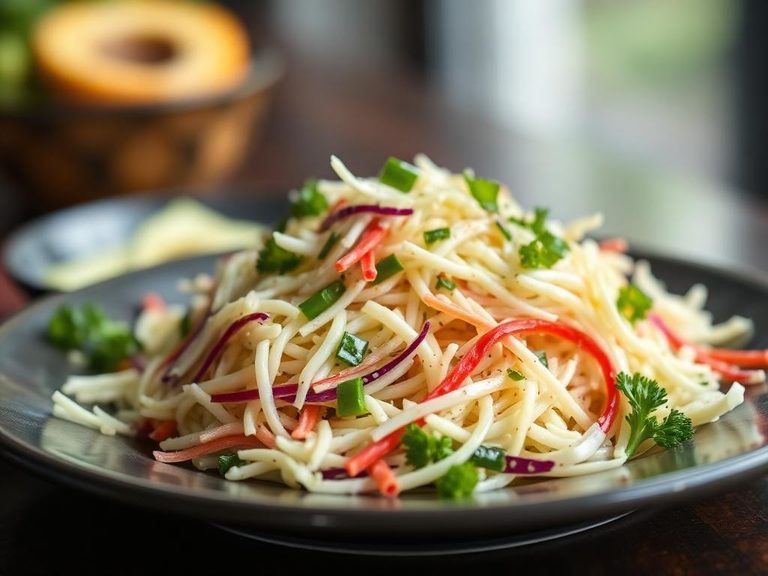
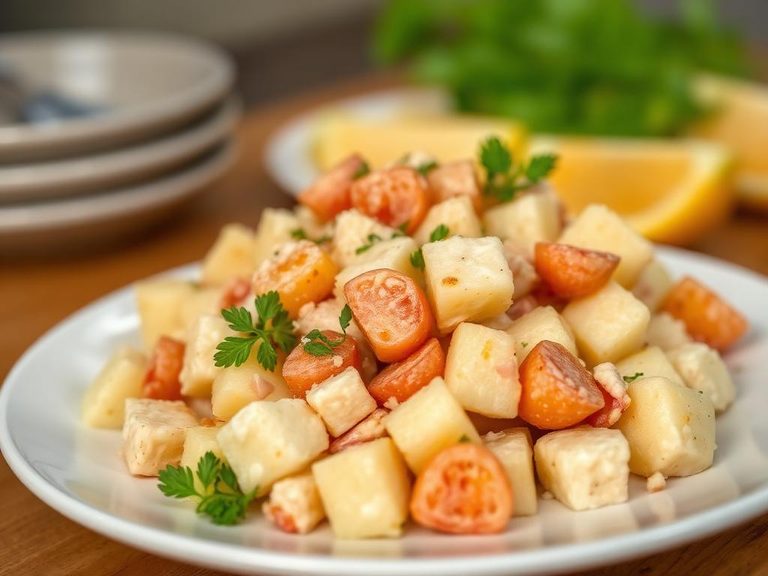

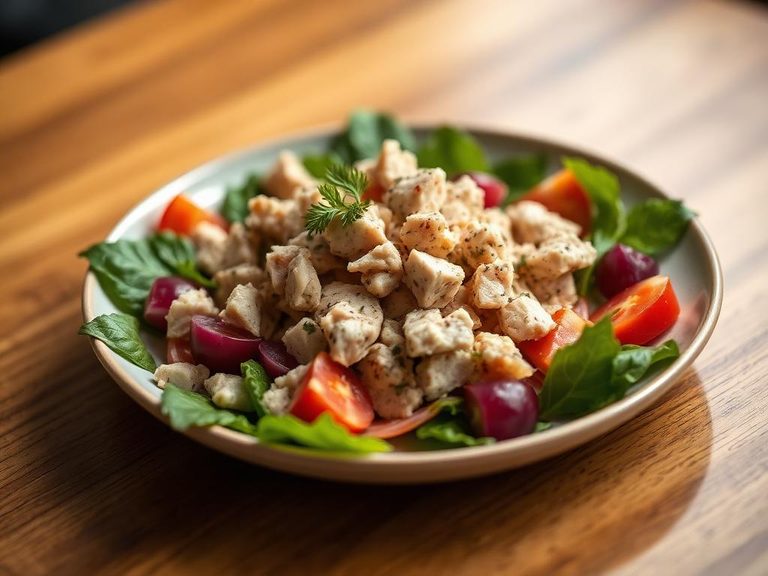

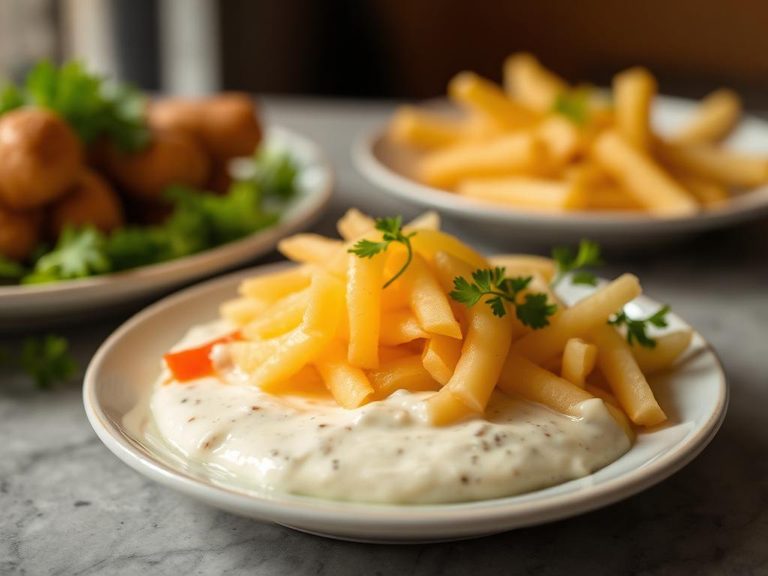
🌍 Where it's eaten
💡 Did you know?
True mayonnaise is an emulsion, a stable mixture of two liquids that normally don't combine, like oil and vinegar. The lecithin in egg yolks (often omitted in 'egg-free' versions) acts as the emulsifier, holding the oil droplets suspended in the vinegar or lemon juice base.
Full nutrition (USDA data · scales with serving)
| Water | 16.7 g |
| Energy | 717 kcal |
| Energy | 2999 kj |
| Protein | 1.1 g |
| Total lipid (fat) | 79.4 g |
| Ash | 0.10 g |
| Carbohydrate, by difference | 2.7 g |
| Fiber, total dietary | 0.00 g |
| Calcium, Ca | 18.0 mg |
| Iron, Fe | 0.50 mg |
| Phosphorus, P | 28.0 mg |
| Potassium, K | 34.0 mg |
| Sodium, Na | 30.0 mg |
| Selenium, Se | 1.6 ug |
| Vitamin C, total ascorbic acid | 0.00 mg |
| Thiamin | 0.00 mg |
| Riboflavin | 0.00 mg |
| Niacin | 0.00 mg |
| Vitamin A, RAE | 84.0 ug |
| Retinol | 84.0 ug |
| Vitamin A, IU | 280 iu |
Fat & fatty acid profile (per 100g)
| Fatty acids, total saturated | 11.8 g |
| Fatty acids, total monounsaturated | 22.7 g |
| MUFA 16:1 | 0.10 g |
| MUFA 18:1 | 22.5 g |
| MUFA 20:1 | 0.10 g |
| Fatty acids, total polyunsaturated | 37.1 g |
| PUFA 18:2 | 37.1 g |
| PUFA 18:3 | 4.2 g |
| Cholesterol | 59.0 mg |
Amino acid profile (per 100g)
Estimated from Salad dressing, sesame seed dressing, regular — USDA does not publish this profile for Salad dressing.
| Tryptophan | 0.05 g |
| Threonine | 0.05 g |
| Isoleucine | 0.05 g |
| Leucine | 0.08 g |
| Lysine | 0.14 g |
| Methionine | 0.03 g |
| Cystine | 0.00 g |
| Phenylalanine | 0.09 g |
| Tyrosine | 0.10 g |
| Valine | 0.07 g |
| Arginine | 0.40 g |
| Histidine | 0.03 g |
| Alanine | 0.00 g |
| Aspartic acid | 0.00 g |
| Glutamic acid | 0.46 g |
| Glycine | 0.00 g |
| Proline | 0.00 g |
| Serine | 0.00 g |
FAQ
What's the difference between mayonnaise and salad dressing?
In the U.S., the FDA has standards of identity. 'Mayonnaise' must contain at least 65% vegetable oil and egg yolk. 'Salad dressing' is a broader category that may contain less oil, more added sugar, thickeners, and other ingredients, but follows similar principles.
Why is soybean oil so common in commercial mayonnaise?
Soybean oil is widely used because it is abundant, cost-effective, has a neutral flavor that doesn't overpower the condiment, and is high in polyunsaturated fats, which are liquid at room temperature and create a smooth texture.
Can I use this as a substitute for butter or oil in baking?
While it can add moisture and richness, its high water and egg content (if present) will alter the texture and rise of baked goods. It's best used in specific recipes like mayonnaise cake, where it's a key ingredient, not as a direct 1:1 substitute for solid fats.
Nutrient density (calculated · NRF9.3)
Nutrient Rich Foods index: beneficial nutrients (protein, fiber, vitamins, minerals) minus saturated fat, added sugar & sodium, per 100 kcal.
NRF9.3 index — Fulgoni, Keast & Drewnowski, 2009. Computed from USDA nutrients.
Weight-loss friendliness (composite index)
Energy density 7.17 kcal/g · 1% calories from protein · 0.0 g fiber · 0.0 g sugar per 100 g.
Composite of energy density (Rolls et al., 1999), protein & fiber satiety, minus sugar. A calculated heuristic — ranks satiety-per-calorie, not a clinical measure.
Dietary load (calculated from USDA values)
Potential renal acid load. Positive = acid-forming, negative = alkaline-forming.
Sodium-to-potassium ratio: 0.88 (lower is better — aim for ≤ 1)
Sodium:potassium per WHO potassium guidance. Computed from USDA nutrients.