

Rice, black, unenriched, raw
Whole food · Cereal Grains and Pasta
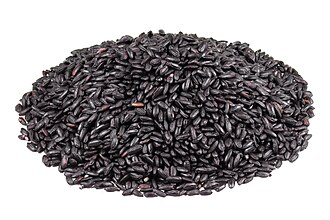
Photo: Wikipedia
Black rice, also known as 'forbidden rice,' is a striking, whole-grain variety with a deep purple-black hue and a distinct nutty, slightly sweet flavor. Its firm, chewy texture holds up well in both savory and sweet dishes, making it a visually stunning and flavorful alternative to white rice. With 7.569g of protein and 4.179g of fiber per 100g, it is a nutrient-dense choice that supports sustained energy and digestive health.
Calorie split: 8% protein · 83% carbs · 8% fat
↓ Full nutrition💚 Why it's loved
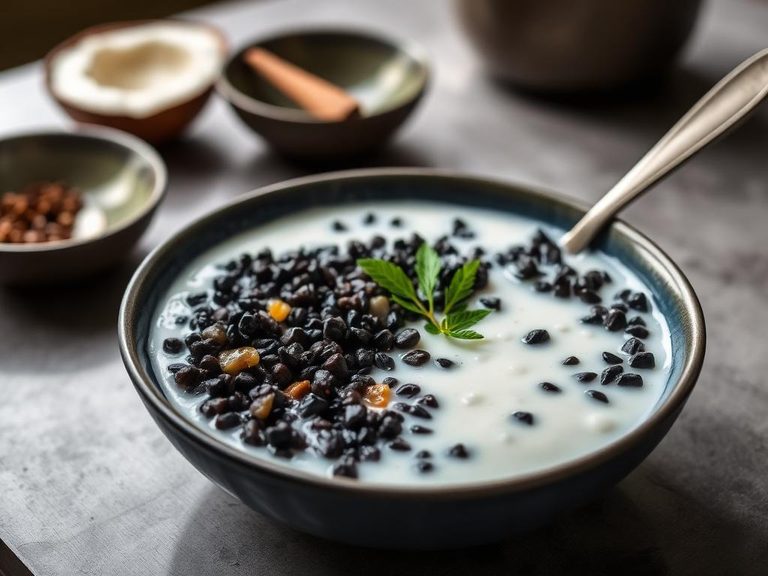
People love black rice for its unique, earthy flavor and beautiful, dramatic color that elevates any meal. It is celebrated for its versatility, working equally well in savory stir-fries, salads, and sweet desserts like rice pudding.
⚠️ Watch-outs & how to enjoy it better
The chewy texture can be tougher than white rice and may not appeal to everyone. Its higher fiber content can cause digestive discomfort if consumed in large quantities without adequate water. To counteract this, start with smaller portions, cook it thoroughly until tender, and ensure you drink plenty of water throughout the day.
Key benefits
- High in anthocyanins, powerful antioxidants that give it its dark color.
- Good source of plant-based protein and dietary fiber.
- Rich in iron and other essential minerals.
- Lower glycemic index than white rice, aiding blood sugar management.
- Naturally gluten-free and suitable for various dietary needs.
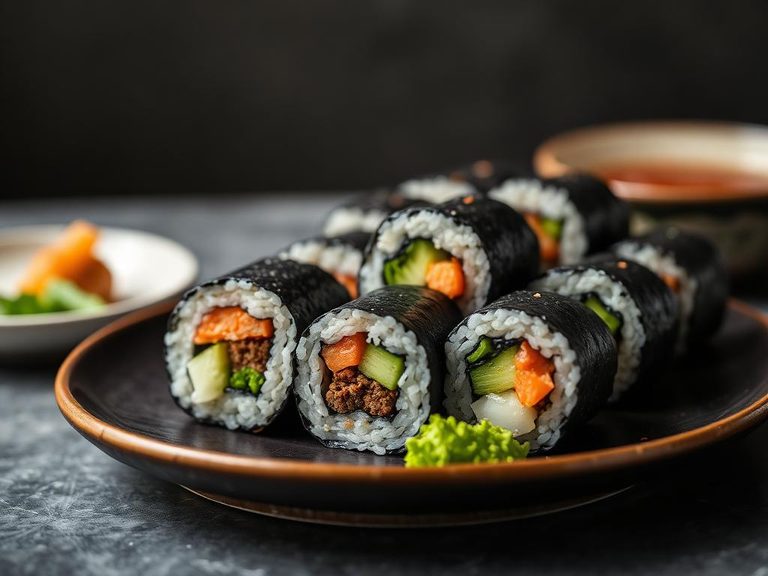
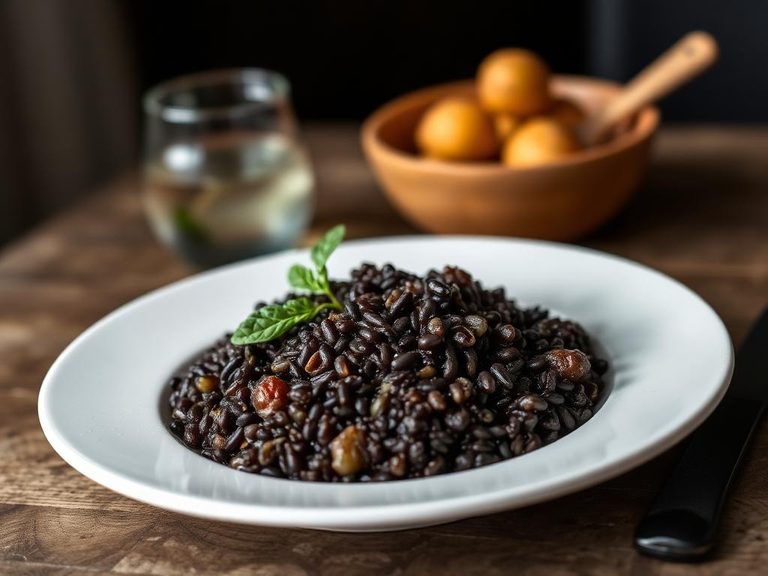
🍽️ Popular dishes
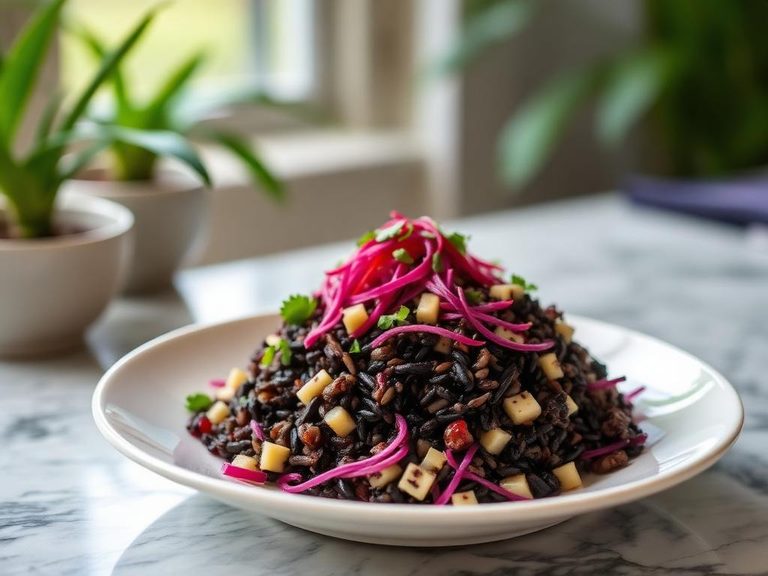
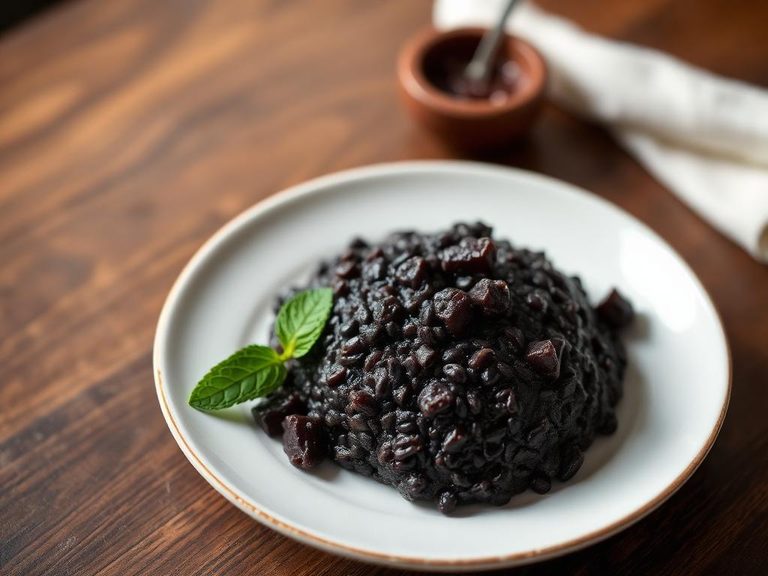
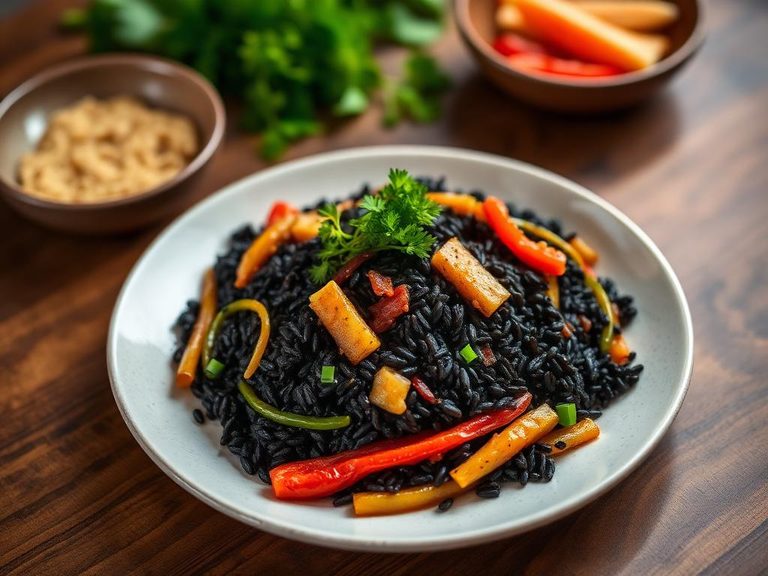
🌍 Where it's eaten
💡 Did you know?
In ancient China, black rice was so rare and nutritious that it was reserved exclusively for emperors, earning it the name 'forbidden rice.'
Full nutrition (USDA data · scales with serving)
| Water | 10.5 g |
| Energy (Atwater General Factors) | 370 kcal |
| Energy (Atwater Specific Factors) | 361 kcal |
| Nitrogen | 1.2 g |
| Protein | 7.6 g |
| Total lipid (fat) | 3.4 g |
| Ash | 1.3 g |
| Carbohydrate, by difference | 77.2 g |
| Fiber, total dietary | 4.2 g |
| Starch | 71.3 g |
| Calcium, Ca | 14.4 mg |
| Iron, Fe | 1.1 mg |
| Magnesium, Mg | 113 mg |
| Phosphorus, P | 307 mg |
| Potassium, K | 256 mg |
| Sodium, Na | 0.00 mg |
| Zinc, Zn | 1.7 mg |
| Copper, Cu | 0.21 mg |
| Manganese, Mn | 3.9 mg |
| Thiamin | 0.32 mg |
| Niacin | 8.3 mg |
| Vitamin B-6 | 0.20 mg |
| Biotin | 4.9 ug |
Fat & fatty acid profile (per 100g)
Estimated from Rice, brown, medium-grain, cooked (Includes foods for USDA's Food Distribution Program) — USDA does not publish this profile for Rice.
| Fatty acids, total saturated | 0.17 g |
| SFA 12:0 | 0.00 g |
| SFA 14:0 | 0.00 g |
| SFA 16:0 | 0.14 g |
| SFA 18:0 | 0.01 g |
| Fatty acids, total monounsaturated | 0.30 g |
| MUFA 16:1 | 0.00 g |
| MUFA 18:1 | 0.30 g |
| Fatty acids, total polyunsaturated | 0.30 g |
| PUFA 18:2 | 0.28 g |
| PUFA 18:3 | 0.01 g |
| Cholesterol | 0.00 mg |
Amino acid profile (per 100g)
Estimated from Rice, brown, medium-grain, cooked (Includes foods for USDA's Food Distribution Program) — USDA does not publish this profile for Rice.
| Tryptophan | 0.03 g |
| Threonine | 0.09 g |
| Isoleucine | 0.10 g |
| Leucine | 0.19 g |
| Lysine | 0.09 g |
| Methionine | 0.05 g |
| Cystine | 0.03 g |
| Phenylalanine | 0.12 g |
| Tyrosine | 0.09 g |
| Valine | 0.14 g |
| Arginine | 0.17 g |
| Histidine | 0.06 g |
| Alanine | 0.14 g |
| Aspartic acid | 0.22 g |
| Glutamic acid | 0.47 g |
| Glycine | 0.11 g |
| Proline | 0.11 g |
| Serine | 0.12 g |
FAQ
Is black rice the same as wild rice?
No, black rice is a variety of Oryza sativa, while wild rice is a different species (Zizania) native to North America. They have different textures, flavors, and nutritional profiles.
How long does black rice take to cook?
Black rice typically takes 30-40 minutes to cook, longer than white rice. Soaking it for 30 minutes to an hour can reduce cooking time and improve texture.
Can I substitute black rice for white rice in recipes?
Yes, but note that black rice has a chewier texture and stronger flavor. It will also change the color of the dish. Adjust cooking time and liquid as needed.
Nutrient density (calculated · NRF9.3)
Nutrient Rich Foods index: beneficial nutrients (protein, fiber, vitamins, minerals) minus saturated fat, added sugar & sodium, per 100 kcal.
NRF9.3 index — Fulgoni, Keast & Drewnowski, 2009. Computed from USDA nutrients.
Weight-loss friendliness (composite index)
Energy density 3.70 kcal/g · 8% calories from protein · 4.2 g fiber · 0.0 g sugar per 100 g.
Composite of energy density (Rolls et al., 1999), protein & fiber satiety, minus sugar. A calculated heuristic — ranks satiety-per-calorie, not a clinical measure.
Dietary load (calculated from USDA values)
Potential renal acid load. Positive = acid-forming, negative = alkaline-forming.
Sodium-to-potassium ratio: 0.00 (lower is better — aim for ≤ 1)
Sodium:potassium per WHO potassium guidance. Computed from USDA nutrients.