

Puddings, tapioca, dry mix
Whole food · Sweets

Photo: Wikipedia
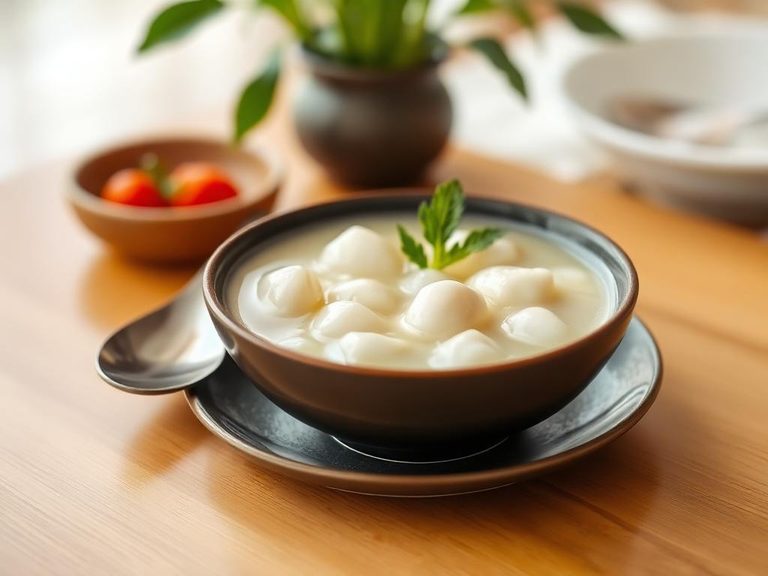
Tapioca pudding mix is a shelf-stable, starchy powder that transforms into a creamy, translucent dessert with a signature chewy 'pearl' texture when cooked with milk or water. It delivers a pure, sweet, and comforting flavor, often reminiscent of vanilla or coconut. Nutritionally, it is an energy-dense carbohydrate source, providing quick fuel with virtually no protein or fat.
Calorie split: 0% protein · 100% carbs · 0% fat
↓ Full nutrition💚 Why it's loved
People love it for its unique, satisfyingly bouncy texture and its nostalgic, simple sweetness that evokes childhood comfort. Its versatility allows it to be a blank canvas for flavors like vanilla, coconut, or fruit, making it a beloved staple in home kitchens.
⚠️ Watch-outs & how to enjoy it better
The dry mix is extremely high in refined carbohydrates and sugar, offering little nutritional density beyond calories, which can cause rapid blood-sugar spikes. To counteract this, always prepare it with a protein-rich milk (like dairy or soy) and top with nuts or seeds, and practice strict portion control.
Key benefits
- Gluten-free carbohydrate source
- Provides quick energy for active lifestyles
- Long shelf life for pantry storage
- Naturally free of common allergens like nuts and dairy (when dry)
- Versatile base for both sweet and savory dishes
🍽️ Popular dishes
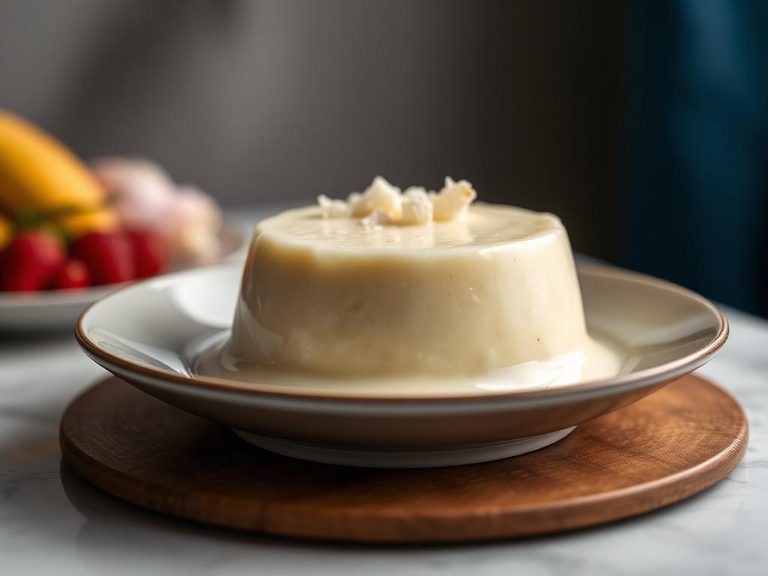
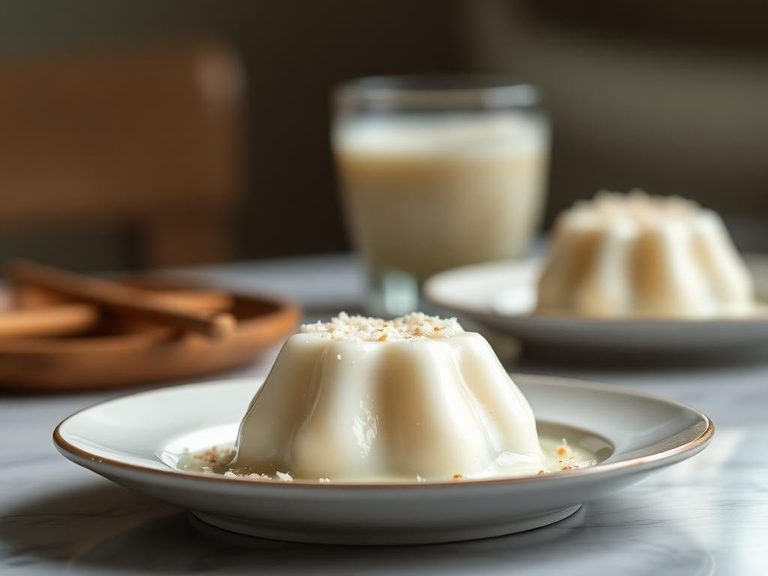
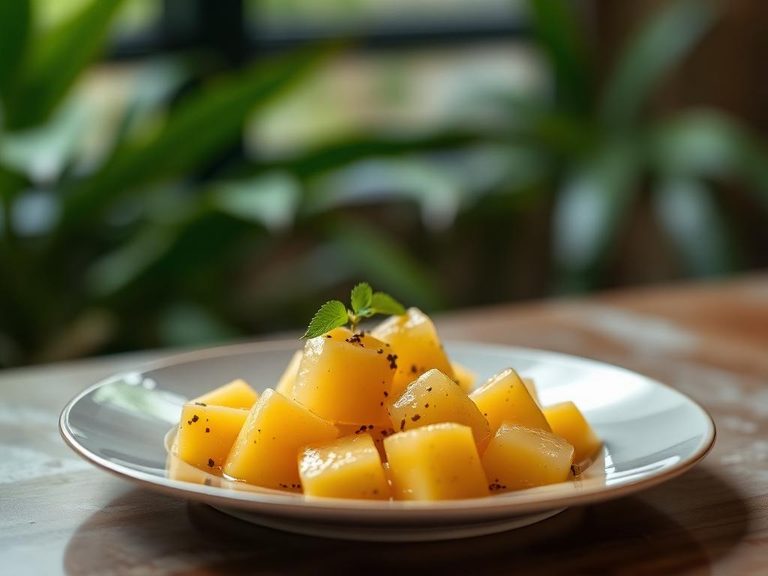

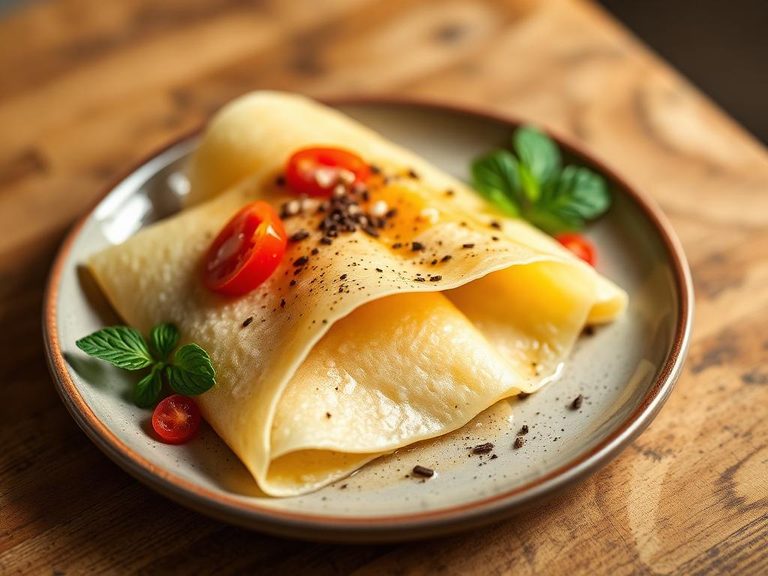
🌍 Where it's eaten
💡 Did you know?
Tapioca pearls are derived from the cassava root, and the process of making the dry mix involves gelatinizing the starch granules with heat and moisture before drying, which is what allows them to swell and turn translucent when cooked.
Full nutrition (USDA data · scales with serving)
| Water | 4.0 g |
| Energy | 369 kcal |
| Energy | 1544 kj |
| Protein | 0.10 g |
| Total lipid (fat) | 0.10 g |
| Ash | 1.4 g |
| Carbohydrate, by difference | 94.3 g |
| Fiber, total dietary | 0.20 g |
| Total Sugars | 65.0 g |
| Calcium, Ca | 4.0 mg |
| Iron, Fe | 0.12 mg |
| Magnesium, Mg | 2.0 mg |
| Phosphorus, P | 4.0 mg |
| Potassium, K | 5.0 mg |
| Sodium, Na | 477 mg |
| Zinc, Zn | 0.08 mg |
| Copper, Cu | 0.03 mg |
| Manganese, Mn | 0.03 mg |
| Selenium, Se | 0.90 ug |
| Vitamin C, total ascorbic acid | 0.00 mg |
| Thiamin | 0.00 mg |
| Riboflavin | 0.01 mg |
| Niacin | 0.00 mg |
| Pantothenic acid | 0.01 mg |
| Vitamin B-6 | 0.00 mg |
| Folate, total | 0.00 ug |
| Folic acid | 0.00 ug |
| Folate, food | 0.00 ug |
| Folate, DFE | 0.00 ug |
| Vitamin B-12 | 0.00 ug |
| Vitamin B-12, added | 0.00 ug |
| Vitamin A, RAE | 0.00 ug |
| Retinol | 0.00 ug |
| Vitamin A, IU | 0.00 iu |
| Vitamin D (D2 + D3), International Units | 0.00 iu |
| Vitamin D (D2 + D3) | 0.00 ug |
Fat & fatty acid profile (per 100g)
| Cholesterol | 0.00 mg |
Amino acid profile (per 100g)
| Tryptophan | 0.00 g |
| Threonine | 0.00 g |
| Isoleucine | 0.00 g |
| Leucine | 0.01 g |
| Lysine | 0.00 g |
| Methionine | 0.00 g |
| Cystine | 0.00 g |
| Phenylalanine | 0.00 g |
| Tyrosine | 0.00 g |
| Valine | 0.01 g |
| Arginine | 0.01 g |
| Histidine | 0.00 g |
| Alanine | 0.01 g |
| Aspartic acid | 0.01 g |
| Glutamic acid | 0.02 g |
| Glycine | 0.00 g |
| Proline | 0.01 g |
| Serine | 0.00 g |
FAQ
What is the difference between tapioca pearls and tapioca pudding mix?
Tapioca pearls are small, solid balls of starch that require longer cooking to become tender. The dry pudding mix is a finer, pre-cooked and ground starch that thickens quickly into a smooth, creamy pudding.
Can I use this mix to make bubble tea boba?
No. The pudding mix is a fine powder designed to thicken liquids into a custard. Bubble tea boba are large, chewy pearls made from tapioca starch and other ingredients, requiring a completely different preparation.
Why did my pudding turn out gummy instead of creamy?
Overcooking or using too much mix relative to liquid can cause a gummy texture. Follow package ratios precisely, and remember it will continue to thicken as it cools.
Nutrient density (calculated · NRF9.3)
Nutrient Rich Foods index: beneficial nutrients (protein, fiber, vitamins, minerals) minus saturated fat, added sugar & sodium, per 100 kcal.
NRF9.3 index — Fulgoni, Keast & Drewnowski, 2009. Computed from USDA nutrients.
Weight-loss friendliness (composite index)
Energy density 3.69 kcal/g · 0% calories from protein · 0.2 g fiber · 65.0 g sugar per 100 g.
Composite of energy density (Rolls et al., 1999), protein & fiber satiety, minus sugar. A calculated heuristic — ranks satiety-per-calorie, not a clinical measure.
Dietary load (calculated from USDA values)
Potential renal acid load. Positive = acid-forming, negative = alkaline-forming.
Sodium-to-potassium ratio: 95.40 (lower is better — aim for ≤ 1)
Sodium:potassium per WHO potassium guidance. Computed from USDA nutrients.