

Mothbeans, mature seeds, raw
Whole food · Legumes and Legume Products

Photo: Wikipedia
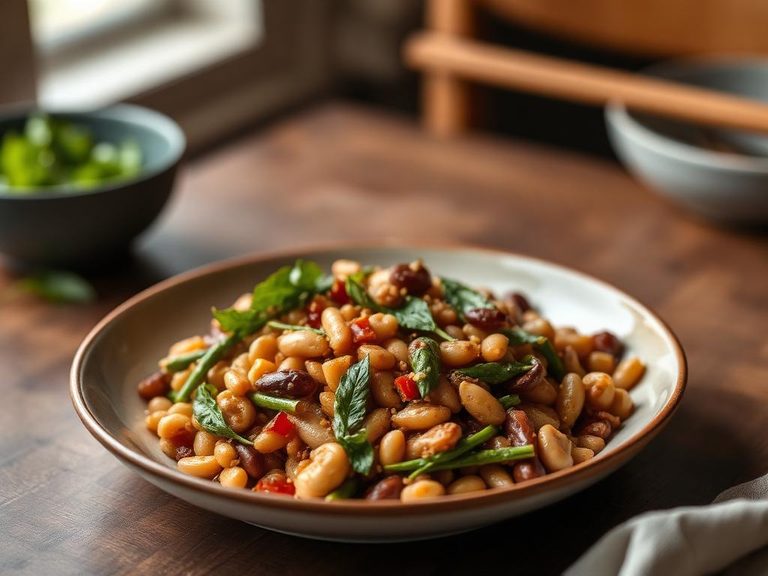
Moth beans, also known as matki, are tiny, brown, lens-shaped legumes with a firm, slightly chewy texture and a mild, earthy, nutty flavor. They are a nutritional powerhouse, offering an exceptional amount of protein (22.94g) and complex carbohydrates (61.52g) per 100g of dry seed, with virtually no fat.
Calorie split: 26% protein · 70% carbs · 4% fat
↓ Full nutrition💚 Why it's loved
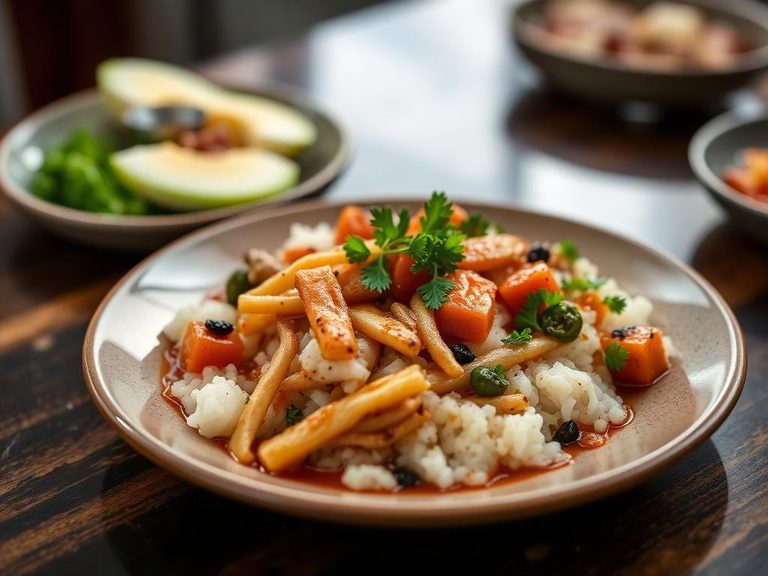
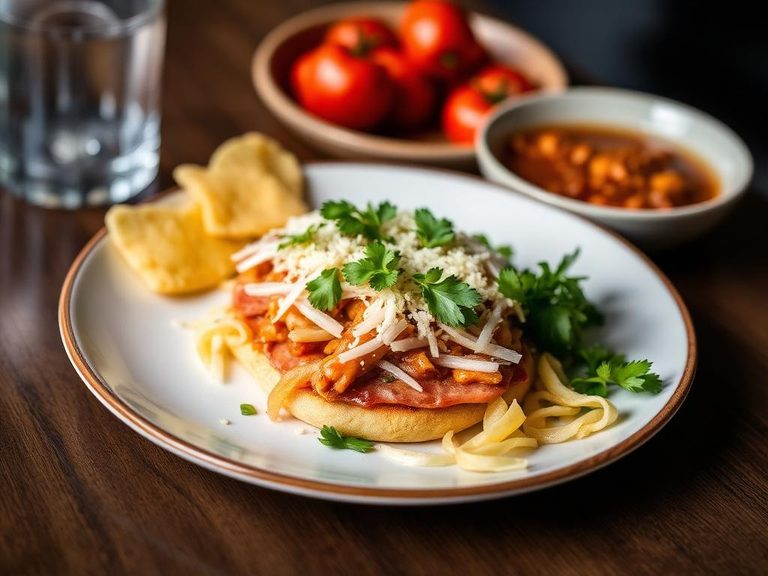
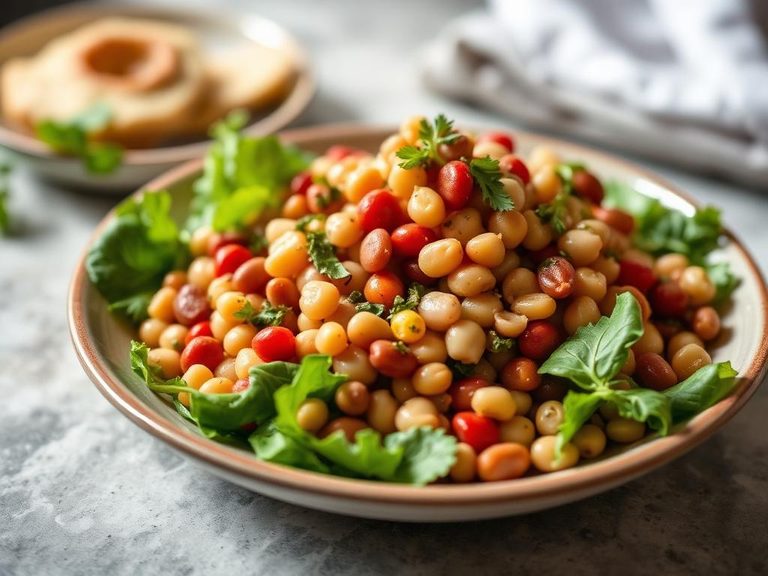
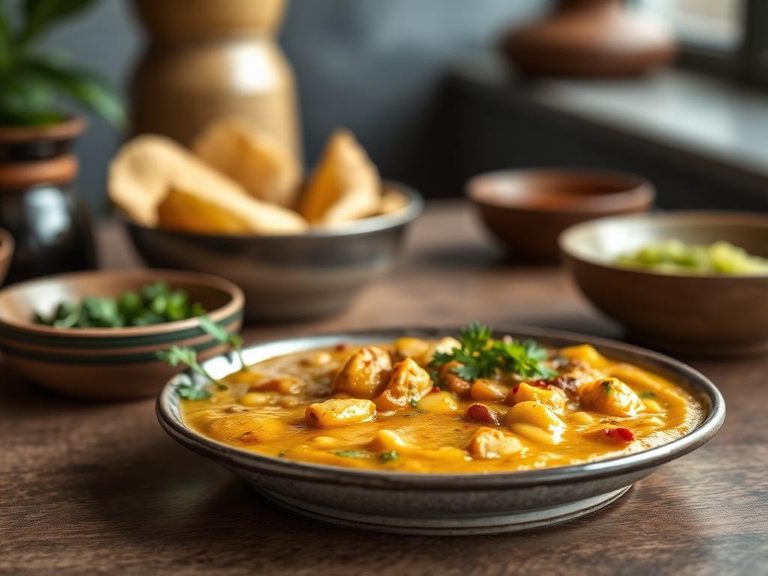
People cherish moth beans for their deep, satisfying flavor that forms the backbone of hearty, spiced curries and sprouted salads. They are a beloved staple in Indian cuisine, valued for their ability to absorb complex spice blends and their role in creating comforting, protein-rich meals.
⚠️ Watch-outs & how to enjoy it better
As a dried legume, moth beans require soaking and cooking, which takes time and planning. They contain oligosaccharides that can cause gas and bloating in some individuals; soaking them for 8-12 hours and discarding the water, or using a pressure cooker, can significantly reduce these compounds.
Key benefits
- Excellent source of plant-based protein for muscle and tissue repair.
- High in complex carbohydrates for sustained energy release.
- Rich in essential minerals like iron, magnesium, and potassium.
- Naturally low in fat and cholesterol-free.
🍽️ Popular dishes
🌍 Where it's eaten
💡 Did you know?
Moth beans are exceptionally drought-resistant and are often grown as a 'catch crop' in arid regions of India, thriving in poor soils where other crops might fail.
Full nutrition (USDA data · scales with serving)
| Water | 9.7 g |
| Energy | 343 kcal |
| Energy | 1435 kj |
| Protein | 22.9 g |
| Total lipid (fat) | 1.6 g |
| Ash | 4.3 g |
| Carbohydrate, by difference | 61.5 g |
| Calcium, Ca | 150 mg |
| Iron, Fe | 10.8 mg |
| Magnesium, Mg | 381 mg |
| Phosphorus, P | 489 mg |
| Potassium, K | 1191 mg |
| Sodium, Na | 30.0 mg |
| Zinc, Zn | 1.9 mg |
| Copper, Cu | 0.69 mg |
| Manganese, Mn | 1.8 mg |
| Selenium, Se | 8.2 ug |
| Vitamin C, total ascorbic acid | 4.0 mg |
| Thiamin | 0.56 mg |
| Riboflavin | 0.09 mg |
| Niacin | 2.8 mg |
| Pantothenic acid | 1.5 mg |
| Vitamin B-6 | 0.37 mg |
| Folate, total | 649 ug |
| Folic acid | 0.00 ug |
| Folate, food | 649 ug |
| Folate, DFE | 649 ug |
| Vitamin B-12 | 0.00 ug |
| Vitamin A, RAE | 2.0 ug |
| Retinol | 0.00 ug |
| Vitamin A, IU | 32.0 iu |
| Vitamin D (D2 + D3), International Units | 0.00 iu |
| Vitamin D (D2 + D3) | 0.00 ug |
Fat & fatty acid profile (per 100g)
| Fatty acids, total saturated | 0.36 g |
| SFA 16:0 | 0.31 g |
| SFA 18:0 | 0.05 g |
| Fatty acids, total monounsaturated | 0.13 g |
| MUFA 18:1 | 0.13 g |
| Fatty acids, total polyunsaturated | 0.75 g |
| PUFA 18:2 | 0.48 g |
| PUFA 18:3 | 0.27 g |
| Fatty acids, total trans | 0.00 g |
| Cholesterol | 0.00 mg |
Amino acid profile (per 100g)
| Tryptophan | 0.15 g |
| Isoleucine | 1.1 g |
| Leucine | 1.5 g |
| Lysine | 1.2 g |
| Methionine | 0.22 g |
| Cystine | 0.12 g |
| Phenylalanine | 1.0 g |
| Valine | 0.73 g |
| Histidine | 0.77 g |
FAQ
What is the difference between moth beans and mung beans?
Moth beans (matki) are smaller, darker brown, and have a more robust, earthy flavor. Mung beans are larger, green, and have a milder, sweeter taste. They are used in different culinary applications.
Do I need to sprout moth beans before cooking?
No, but sprouting is a very popular preparation method, especially for dishes like Misal Pav. Sprouting increases certain nutrients and can make the beans easier to digest. If cooking dry, a thorough soak is essential.
How do I cook moth beans from dry?
Soak the dry beans in plenty of water for 8-12 hours. Drain, rinse, and then cook in fresh water. A pressure cooker reduces cooking time to about 15-20 minutes after the whistle. Stovetop simmering may take 45-60 minutes until tender.
Nutrient density (calculated · NRF9.3)
Nutrient Rich Foods index: beneficial nutrients (protein, fiber, vitamins, minerals) minus saturated fat, added sugar & sodium, per 100 kcal.
NRF9.3 index — Fulgoni, Keast & Drewnowski, 2009. Computed from USDA nutrients.
Weight-loss friendliness (composite index)
Energy density 3.43 kcal/g · 27% calories from protein · 0.0 g fiber · 0.0 g sugar per 100 g.
Composite of energy density (Rolls et al., 1999), protein & fiber satiety, minus sugar. A calculated heuristic — ranks satiety-per-calorie, not a clinical measure.
Dietary load (calculated from USDA values)
Potential renal acid load. Positive = acid-forming, negative = alkaline-forming.
Sodium-to-potassium ratio: 0.03 (lower is better — aim for ≤ 1)
Sodium:potassium per WHO potassium guidance. Computed from USDA nutrients.