

Fish, shad, american, cooked, dry heat
Whole food · Finfish and Shellfish Products

Photo: Wikipedia
American shad, cooked with dry heat, is a rich, oily fish with a distinctively bold, almost steak-like flavor and a tender, flaky texture. Its high fat content gives it a luxurious mouthfeel, while its impressive protein density makes it a substantial meal. Nutritionally, it stands out for its high protein-to-carb ratio and significant fat content, which includes beneficial omega-3 fatty acids.
Calorie split: 35% protein · 0% carbs · 65% fat
↓ Full nutrition💚 Why it's loved
People cherish shad for its deep, savory flavor that intensifies when grilled or broiled, offering a satisfying, meaty bite. It's also a culturally significant spring delicacy in many coastal communities, celebrated in seasonal festivals.
⚠️ Watch-outs & how to enjoy it better
Shad is a bony fish, and its numerous fine bones can be a significant deterrent for some diners. Its strong, oily flavor may also be overpowering for those who prefer milder fish. To counteract the bones, look for prepared shad fillets or learn the traditional technique of pressing the cooked meat through a sieve to separate it from the bones. For the strong flavor, pair it with bright, acidic sauces like a lemon-caper butter or a vinegar-based slaw to cut through the richness.
Key benefits
- Excellent source of high-quality protein for muscle maintenance.
- Rich in heart-healthy omega-3 fatty acids (EPA & DHA).
- Zero carbohydrates, suitable for ketogenic and low-carb diets.
- Provides essential nutrients like vitamin B12, selenium, and niacin.
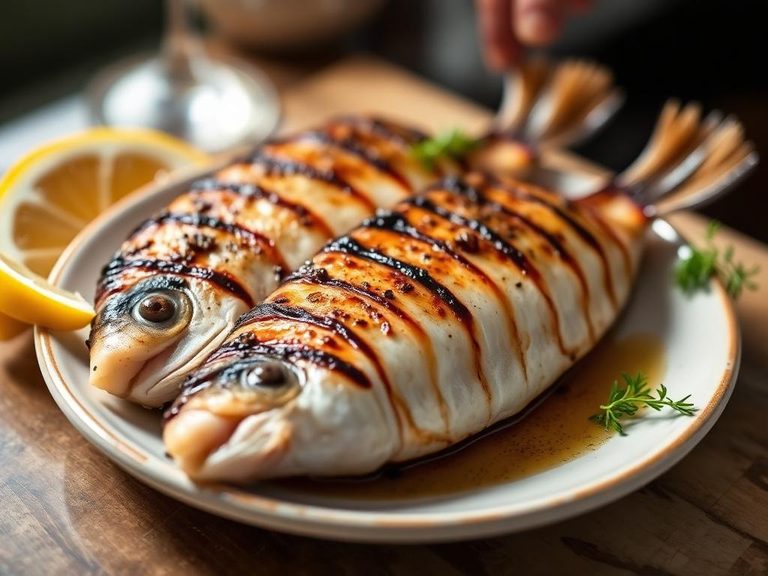
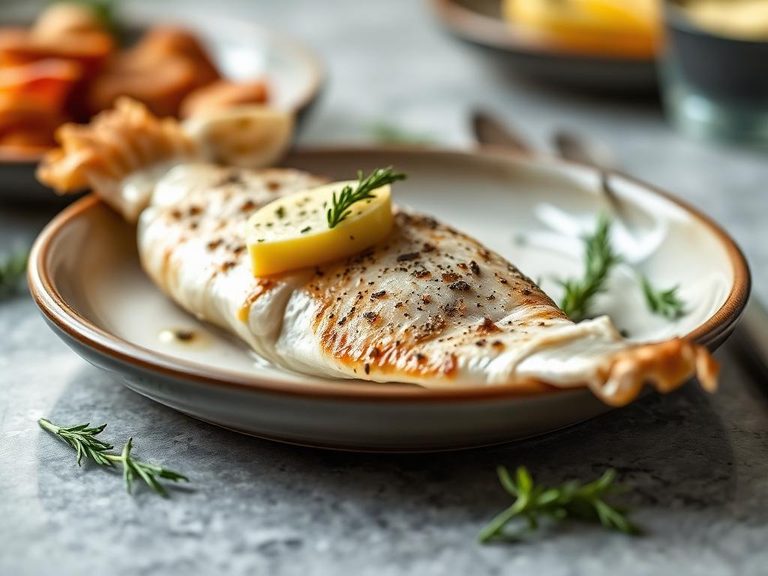
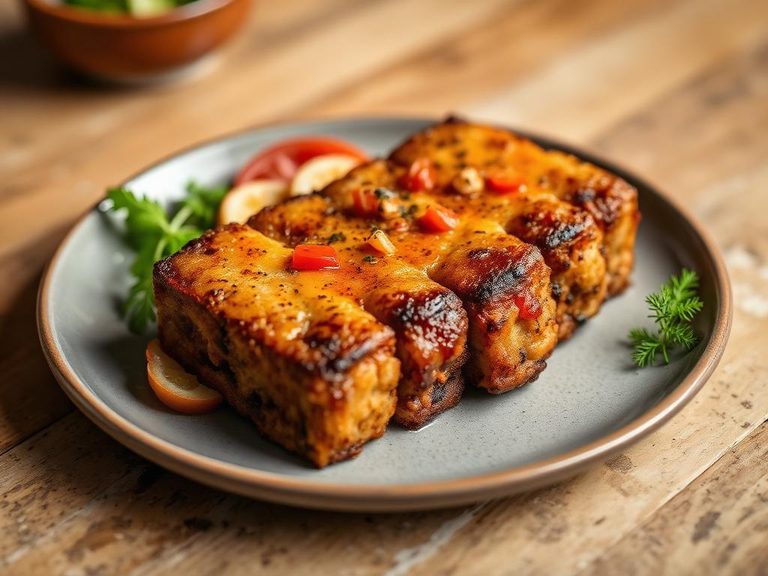
🍽️ Popular dishes


🌍 Where it's eaten
💡 Did you know?
American shad is an anadromous fish, meaning it's born in freshwater, migrates to the ocean to grow, and returns to freshwater to spawn—a journey so vital it was once called 'the fish that fed the nation's founders.'
Full nutrition (USDA data · scales with serving)
| Water | 59.2 g |
| Energy | 252 kcal |
| Energy | 1054 kj |
| Protein | 21.7 g |
| Total lipid (fat) | 17.6 g |
| Ash | 1.7 g |
| Carbohydrate, by difference | 0.00 g |
| Fiber, total dietary | 0.00 g |
| Calcium, Ca | 60.0 mg |
| Iron, Fe | 1.2 mg |
| Magnesium, Mg | 38.0 mg |
| Phosphorus, P | 349 mg |
| Potassium, K | 492 mg |
| Sodium, Na | 65.0 mg |
| Zinc, Zn | 0.47 mg |
| Copper, Cu | 0.08 mg |
| Manganese, Mn | 0.05 mg |
| Selenium, Se | 46.8 ug |
| Vitamin C, total ascorbic acid | 0.00 mg |
| Thiamin | 0.18 mg |
| Riboflavin | 0.31 mg |
| Niacin | 10.8 mg |
| Pantothenic acid | 0.86 mg |
| Vitamin B-6 | 0.46 mg |
| Folate, total | 17.0 ug |
| Folic acid | 0.00 ug |
| Folate, food | 17.0 ug |
| Folate, DFE | 17.0 ug |
| Vitamin B-12 | 0.14 ug |
| Vitamin A, RAE | 36.0 ug |
| Retinol | 36.0 ug |
| Vitamin A, IU | 120 iu |
Fat & fatty acid profile (per 100g)
| Cholesterol | 96.0 mg |
Amino acid profile (per 100g)
| Tryptophan | 0.24 g |
| Threonine | 0.95 g |
| Isoleucine | 1.0 g |
| Leucine | 1.8 g |
| Lysine | 2.0 g |
| Methionine | 0.64 g |
| Cystine | 0.23 g |
| Phenylalanine | 0.85 g |
| Tyrosine | 0.73 g |
| Valine | 1.1 g |
| Arginine | 1.3 g |
| Histidine | 0.64 g |
| Alanine | 1.3 g |
| Aspartic acid | 2.2 g |
| Glutamic acid | 3.2 g |
| Glycine | 1.0 g |
| Proline | 0.77 g |
| Serine | 0.89 g |
FAQ
Why is shad so bony?
Shad belong to the herring family, which are known for having many intramuscular bones. This is a natural characteristic, and traditional preparation methods focus on removing them after cooking.
What's the best way to cook shad to minimize bones?
Cooking it whole (like baking or broiling) and then using a fork to gently separate the meat from the bone structure is common. Some recipes call for making a 'shad press' to push the cooked meat through a fine screen.
Is shad roe (eggs) also edible?
Yes, shad roe is a highly prized delicacy with a creamy, rich flavor and grainy texture, often pan-fried and served on toast or with pasta.
Nutrient density (calculated · NRF9.3)
Nutrient Rich Foods index: beneficial nutrients (protein, fiber, vitamins, minerals) minus saturated fat, added sugar & sodium, per 100 kcal.
NRF9.3 index — Fulgoni, Keast & Drewnowski, 2009. Computed from USDA nutrients.
Weight-loss friendliness (composite index)
Energy density 2.52 kcal/g · 34% calories from protein · 0.0 g fiber · 0.0 g sugar per 100 g.
Composite of energy density (Rolls et al., 1999), protein & fiber satiety, minus sugar. A calculated heuristic — ranks satiety-per-calorie, not a clinical measure.
Dietary load (calculated from USDA values)
Potential renal acid load. Positive = acid-forming, negative = alkaline-forming.
Sodium-to-potassium ratio: 0.13 (lower is better — aim for ≤ 1)
Sodium:potassium per WHO potassium guidance. Computed from USDA nutrients.