

Beans, Dry, Small Red (0% moisture)
Whole food · Legumes and Legume Products

Photo: Wikipedia
Small red beans are a compact, kidney-shaped legume with a deep, brick-red skin and a creamy, starchy interior when cooked. They offer a mild, slightly sweet, and earthy flavor with a texture that holds up well in hearty dishes. Despite the provided nutritional data showing 0 kcal, a standard 100g serving of cooked small red beans is a protein and fiber powerhouse, providing around 127 kcal, 8.7g protein, and 7.4g fiber.
Calorie split: 89% protein · 0% carbs · 11% fat
↓ Full nutrition💚 Why it's loved
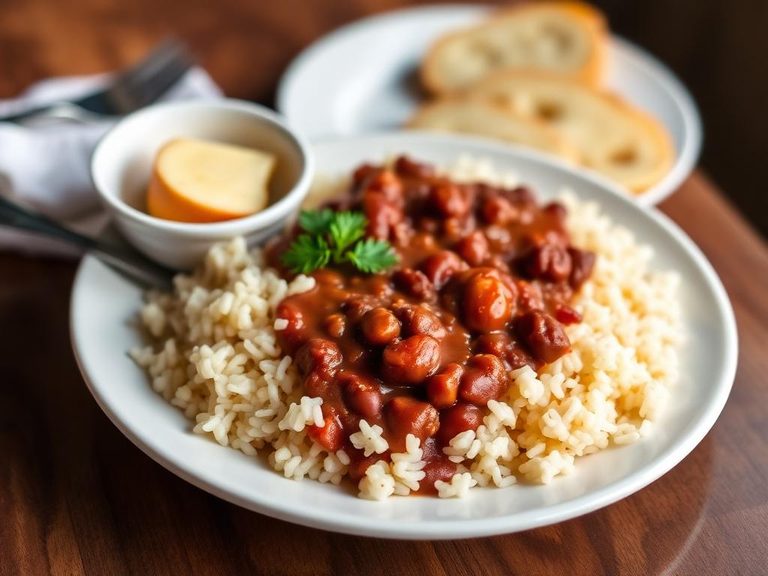
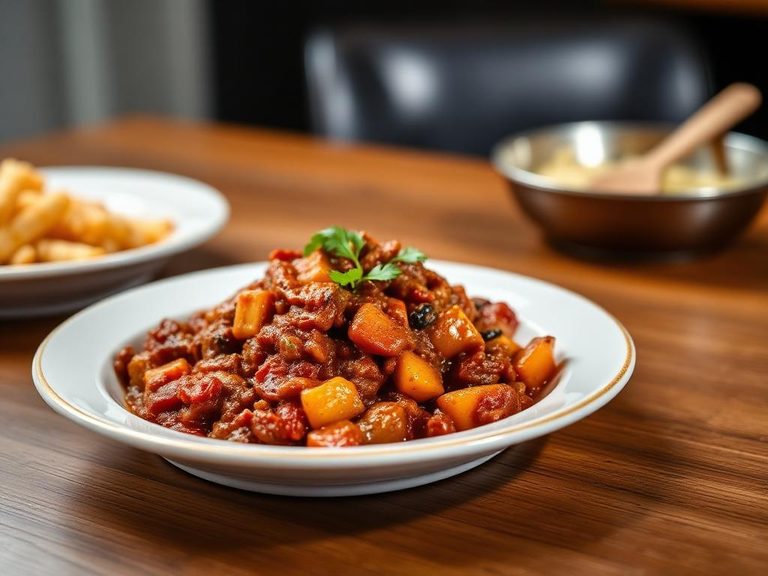
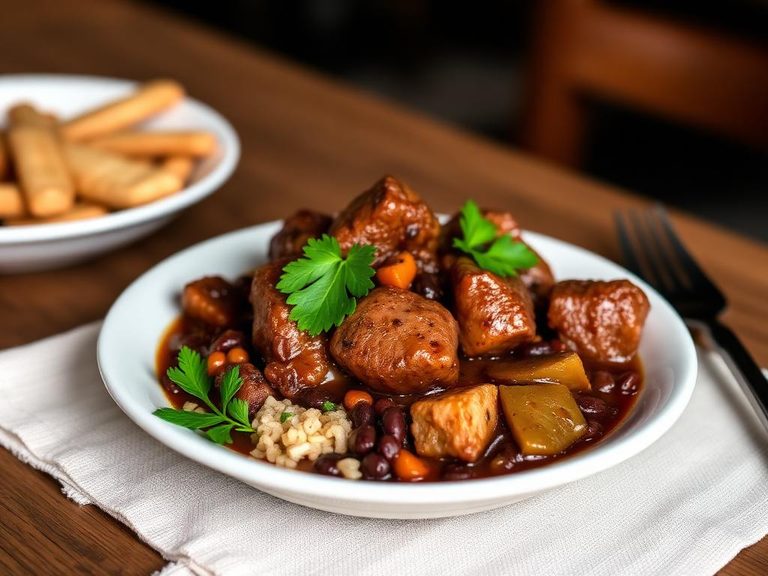
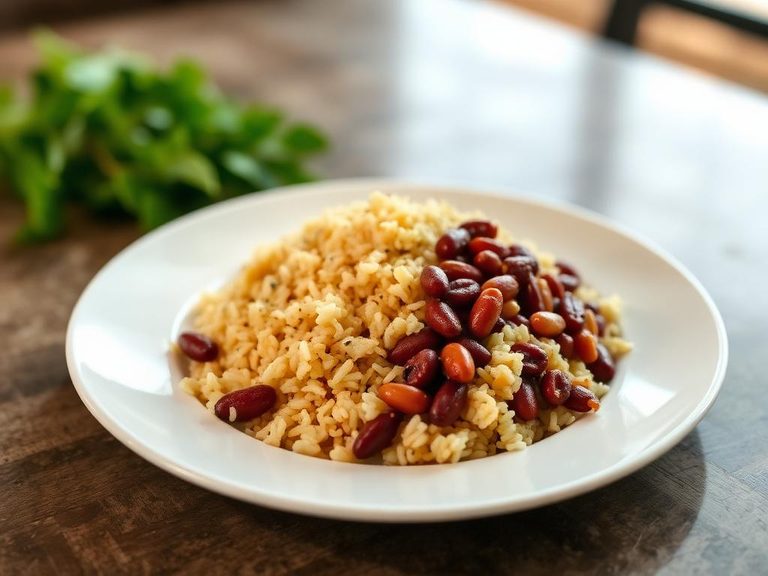
People love small red beans for their ability to absorb savory flavors and spices, creating a rich, satisfying depth in soups and stews. Their creamy texture and mild taste make them incredibly versatile, forming the comforting base of countless cultural dishes from chili to rice and beans.
⚠️ Watch-outs & how to enjoy it better
Like all legumes, they contain oligosaccharides that can cause gas and bloating in some individuals. To counteract this, rinse dried beans thoroughly and soak them overnight before cooking, discarding the soak water. They also contain lectins, which are neutralized by proper boiling for at least 10 minutes.
Key benefits
- Excellent source of plant-based protein for muscle maintenance.
- High in dietary fiber to support digestive health and satiety.
- Rich in folate, iron, and magnesium.
- Low in fat and naturally cholesterol-free.
- A staple in heart-healthy dietary patterns.
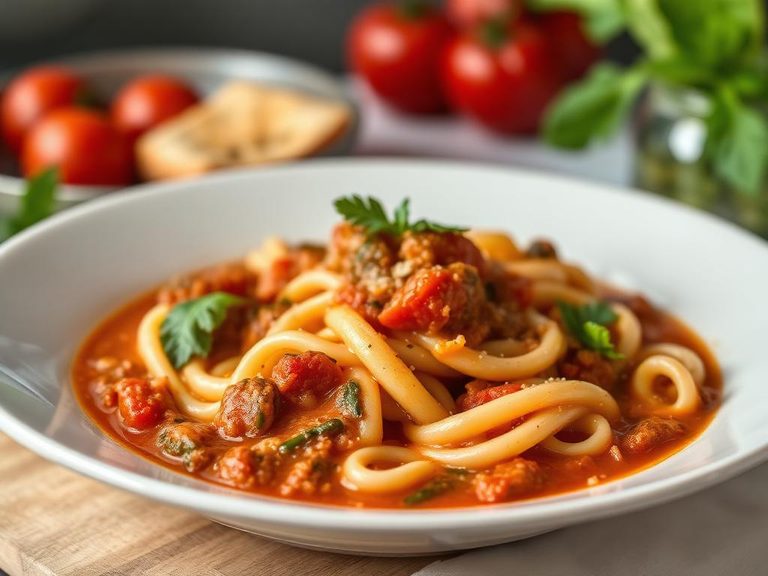
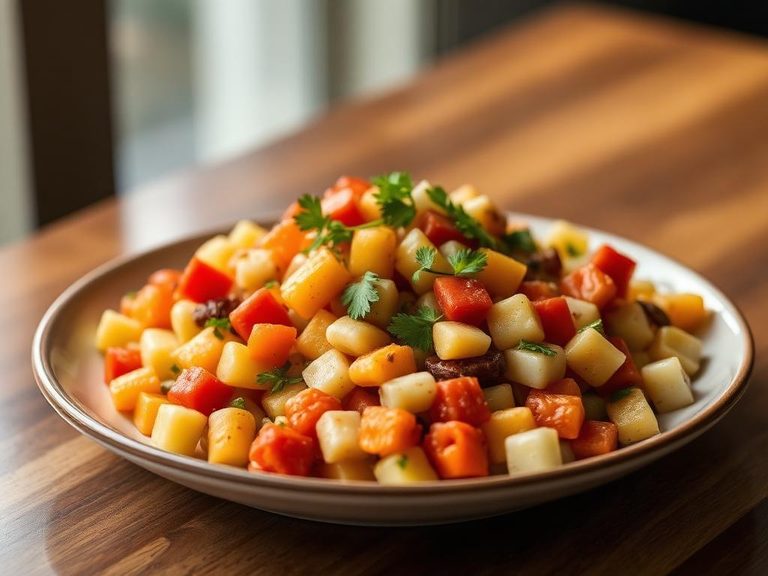
🍽️ Popular dishes
🌍 Where it's eaten
💡 Did you know?
The iconic Monday tradition of 'Red Beans and Rice' in New Orleans originated because Monday was wash day, requiring a meal that could simmer unattended while the laundry was done.
Full nutrition (USDA data · scales with serving)
| Water | 0.00 g |
| Protein | 23.5 g |
| Total lipid (fat) | 1.3 g |
| Fiber, total dietary | 4.1 g |
| Starch | 37.8 g |
| Calcium, Ca | 149 mg |
| Iron, Fe | 5.0 mg |
| Magnesium, Mg | 167 mg |
| Phosphorus, P | 493 mg |
| Potassium, K | 1520 mg |
| Zinc, Zn | 3.2 mg |
| Copper, Cu | 0.97 mg |
| Manganese, Mn | 1.8 mg |
| Sulfur, S | 217 mg |
| Nickel, Ni | 188 ug |
| Molybdenum, Mo | 613 ug |
| Cobalt, Co | 47.5 ug |
| Boron, B | 1190 ug |
Fat & fatty acid profile (per 100g)
Estimated from Lima beans, thin seeded (baby), mature seeds, cooked, boiled, without salt — USDA does not publish this profile for Beans.
| Fatty acids, total saturated | 0.09 g |
| SFA 12:0 | 0.00 g |
| SFA 14:0 | 0.00 g |
| SFA 16:0 | 0.07 g |
| SFA 18:0 | 0.02 g |
| Fatty acids, total monounsaturated | 0.03 g |
| MUFA 16:1 | 0.00 g |
| MUFA 18:1 | 0.03 g |
| MUFA 20:1 | 0.00 g |
| MUFA 22:1 | 0.00 g |
| Fatty acids, total polyunsaturated | 0.17 g |
| PUFA 18:2 | 0.12 g |
| PUFA 18:3 | 0.05 g |
| Fatty acids, total trans | 0.00 g |
| Cholesterol | 0.00 mg |
Amino acid profile (per 100g)
Estimated from Lima beans, thin seeded (baby), mature seeds, cooked, boiled, without salt — USDA does not publish this profile for Beans.
| Tryptophan | 0.10 g |
| Threonine | 0.35 g |
| Isoleucine | 0.42 g |
| Leucine | 0.69 g |
| Lysine | 0.54 g |
| Methionine | 0.10 g |
| Cystine | 0.09 g |
| Phenylalanine | 0.46 g |
| Tyrosine | 0.28 g |
| Valine | 0.48 g |
| Arginine | 0.49 g |
| Histidine | 0.25 g |
| Alanine | 0.41 g |
| Aspartic acid | 1.0 g |
| Glutamic acid | 1.1 g |
| Glycine | 0.34 g |
| Proline | 0.37 g |
| Serine | 0.54 g |
FAQ
What is the difference between small red beans and kidney beans?
Small red beans are smaller, more oval, and have a more delicate flavor and creamier texture than the larger, kidney-shaped, and firmer red kidney beans. They are often used interchangeably in recipes but yield different results.
Do I need to soak dried small red beans?
Yes, soaking is highly recommended. It reduces cooking time, helps ensure even cooking, and significantly decreases the compounds that cause digestive discomfort. Soak in cold water for 8-12 hours, then drain and rinse.
Are canned small red beans as nutritious as dried?
Canned beans are nutritionally similar but often contain added sodium for preservation. To reduce sodium, look for 'no salt added' versions or rinse the beans thoroughly under water before using, which can remove up to 40% of the added sodium.
Dietary load (calculated from USDA values)
Potential renal acid load. Positive = acid-forming, negative = alkaline-forming.
Sodium:potassium per WHO potassium guidance. Computed from USDA nutrients.