

Beans, Dry, Carioca (0% moisture)
Whole food · Legumes and Legume Products
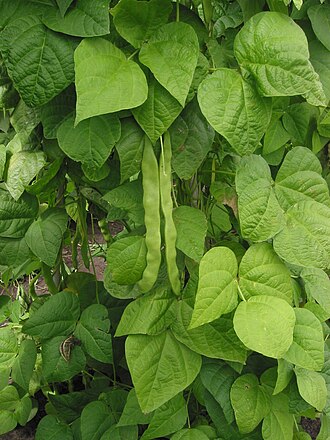
Photo: Wikipedia
Carioca beans, a variety of common bean (Phaseolus vulgaris), are a staple in Brazilian cuisine, known for their creamy texture and mild, nutty flavor. Nutritionally, they are a powerhouse of plant-based protein, providing over 25g per 100g, and are an excellent source of dietary fiber. This specific data likely represents the dry bean in a dehydrated state, hence the zero calories and moisture, but it transforms into a hearty, nutrient-dense food when cooked.
Calorie split: 89% protein · 0% carbs · 11% fat
↓ Full nutrition💚 Why it's loved
People love Carioca beans for their creamy, comforting texture and ability to absorb the flavors of stews, soups, and seasonings. They are a cultural cornerstone in Brazil, forming the basis of daily meals like feijoada and arroz com feijão.
⚠️ Watch-outs & how to enjoy it better
As a legume, they contain oligosaccharides that can cause gas and bloating in some individuals. To counteract this, soak the beans for at least 8-12 hours, discard the soaking water, and cook them thoroughly. They also contain phytic acid, which can be reduced by soaking and sprouting, improving mineral absorption.
Key benefits
- Excellent source of plant-based protein (25.2g per 100g dry weight).
- High in dietary fiber (4.5g per 100g dry weight) for digestive health.
- Very low in fat (1.44g per 100g dry weight).
- Naturally gluten-free and cholesterol-free.
🍽️ Popular dishes
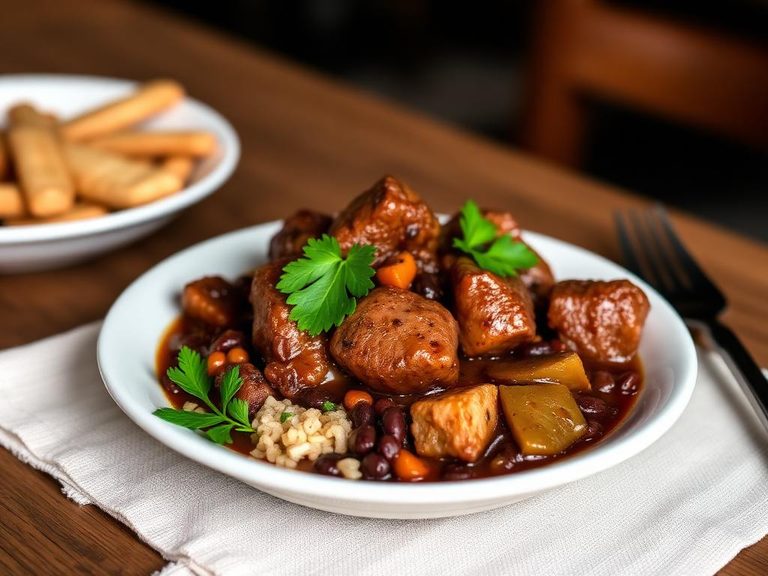
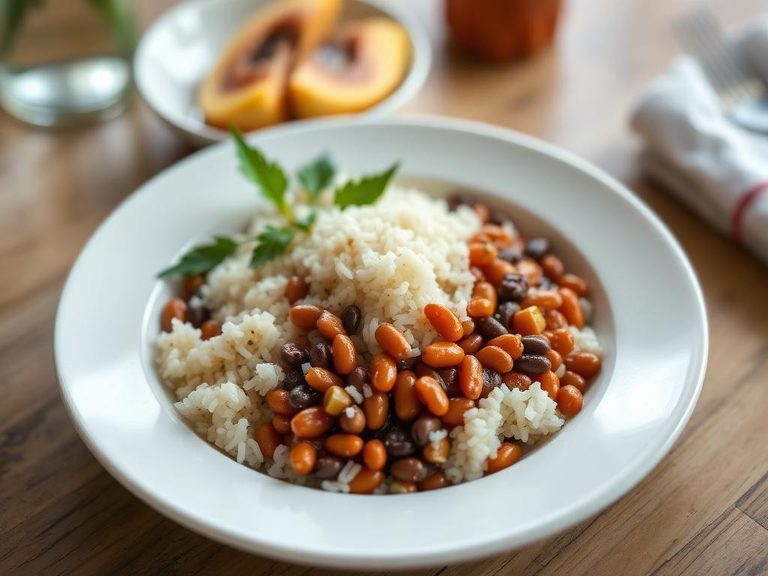
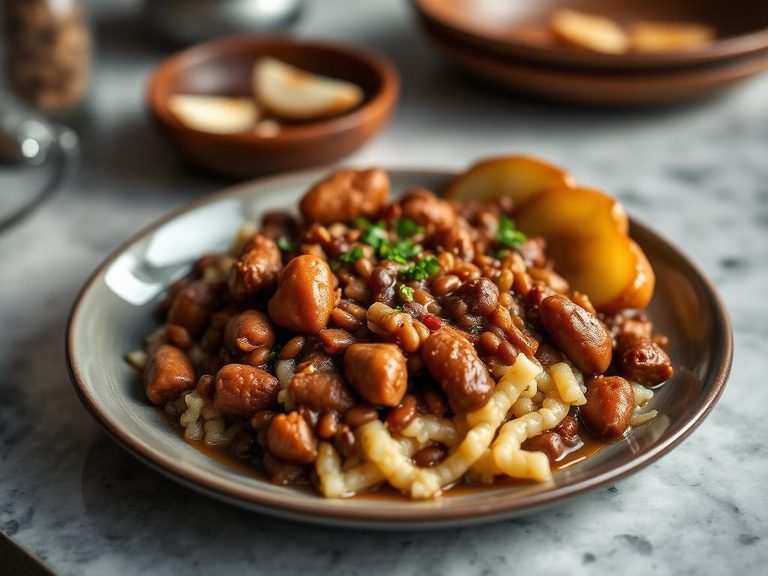
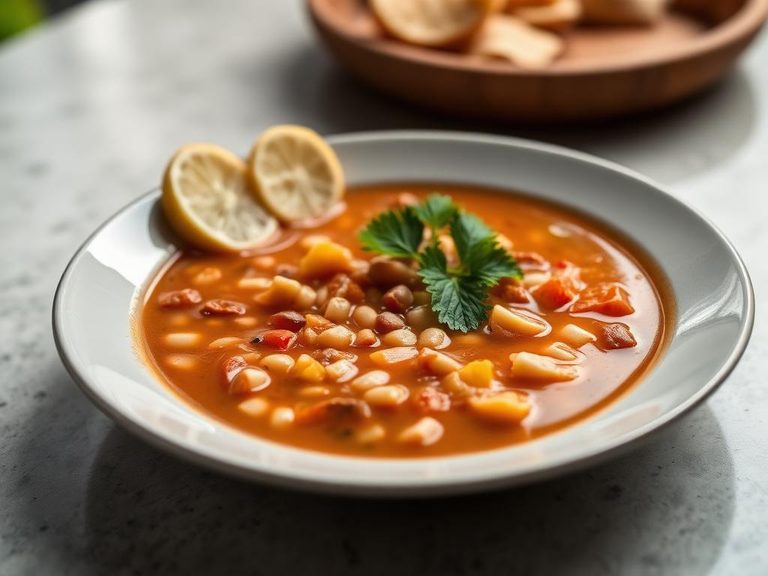
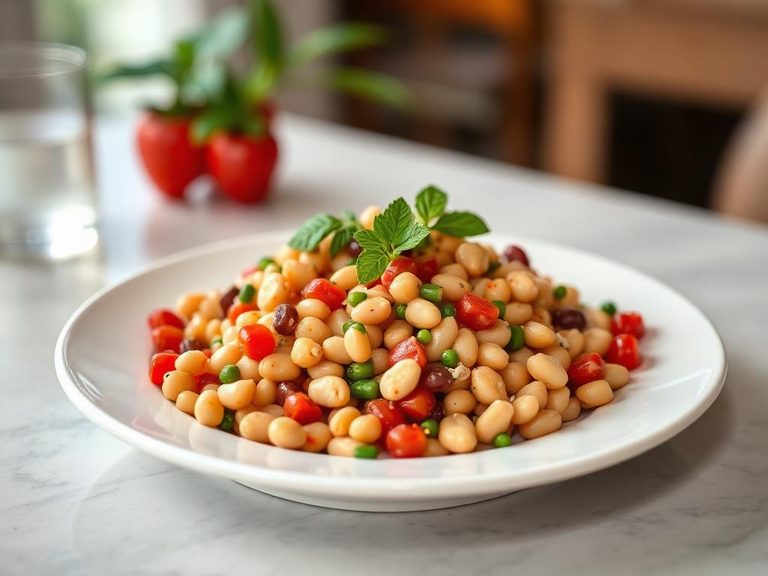
🌍 Where it's eaten
💡 Did you know?
The name 'Carioca' refers to the people of Rio de Janeiro, Brazil, and the bean's name is a nod to its popularity in that region.
Full nutrition (USDA data · scales with serving)
| Water | 0.00 g |
| Protein | 25.2 g |
| Total lipid (fat) | 1.4 g |
| Fiber, total dietary | 4.5 g |
| Starch | 36.0 g |
| Calcium, Ca | 194 mg |
| Iron, Fe | 5.9 mg |
| Magnesium, Mg | 179 mg |
| Phosphorus, P | 535 mg |
| Potassium, K | 1390 mg |
| Zinc, Zn | 3.4 mg |
| Copper, Cu | 1.0 mg |
| Manganese, Mn | 1.9 mg |
| Sulfur, S | 257 mg |
| Nickel, Ni | 177 ug |
| Molybdenum, Mo | 962 ug |
| Cobalt, Co | 39.0 ug |
| Boron, B | 1160 ug |
Fat & fatty acid profile (per 100g)
Estimated from Lima beans, thin seeded (baby), mature seeds, cooked, boiled, without salt — USDA does not publish this profile for Beans.
| Fatty acids, total saturated | 0.09 g |
| SFA 12:0 | 0.00 g |
| SFA 14:0 | 0.00 g |
| SFA 16:0 | 0.07 g |
| SFA 18:0 | 0.02 g |
| Fatty acids, total monounsaturated | 0.03 g |
| MUFA 16:1 | 0.00 g |
| MUFA 18:1 | 0.03 g |
| MUFA 20:1 | 0.00 g |
| MUFA 22:1 | 0.00 g |
| Fatty acids, total polyunsaturated | 0.17 g |
| PUFA 18:2 | 0.12 g |
| PUFA 18:3 | 0.05 g |
| Fatty acids, total trans | 0.00 g |
| Cholesterol | 0.00 mg |
Amino acid profile (per 100g)
Estimated from Lima beans, thin seeded (baby), mature seeds, cooked, boiled, without salt — USDA does not publish this profile for Beans.
| Tryptophan | 0.10 g |
| Threonine | 0.35 g |
| Isoleucine | 0.42 g |
| Leucine | 0.69 g |
| Lysine | 0.54 g |
| Methionine | 0.10 g |
| Cystine | 0.09 g |
| Phenylalanine | 0.46 g |
| Tyrosine | 0.28 g |
| Valine | 0.48 g |
| Arginine | 0.49 g |
| Histidine | 0.25 g |
| Alanine | 0.41 g |
| Aspartic acid | 1.0 g |
| Glutamic acid | 1.1 g |
| Glycine | 0.34 g |
| Proline | 0.37 g |
| Serine | 0.54 g |
FAQ
What is the difference between Carioca beans and other common beans?
Carioca beans are a specific variety of common bean (Phaseolus vulgaris) with a distinctive beige color and a dark streak or 'eye.' They are particularly popular in Brazil and have a creamier texture than some other varieties like pinto beans.
How do I cook dried Carioca beans?
Soak the beans in water for 8-12 hours, then drain and rinse. Cook in fresh water (about 3 cups water per 1 cup beans) until tender, typically 1-2 hours. Adding a piece of kombu seaweed or a bay leaf can enhance flavor and digestibility.
Are Carioca beans good for weight management?
Yes, their high protein and fiber content promote satiety, helping you feel full longer. They are also low in fat and can be a healthy, filling addition to a balanced diet.
Dietary load (calculated from USDA values)
Potential renal acid load. Positive = acid-forming, negative = alkaline-forming.
Sodium:potassium per WHO potassium guidance. Computed from USDA nutrients.