

Raspberries, wild (Northern Plains Indians)
Whole food · American Indian/Alaska Native Foods

Photo: Wikipedia
Wild raspberries from the Northern Plains are small, jewel-toned gems with a potent, tangy-sweet flavor and a delicate, crumbly texture. Nutritionally, they are a fiber powerhouse, delivering a remarkable 7.5 grams per 100 grams, which is nearly three times the fiber of their cultivated cousins. Their natural sugar content is moderate, making them a satisfyingly tart and wholesome foraged treat.
Calorie split: 7% protein · 89% carbs · 4% fat
↓ Full nutrition💚 Why it's loved
People cherish wild raspberries for their intense, concentrated berry flavor—a perfect balance of tartness and sweetness that cultivated varieties often lack. They are also revered in many Indigenous cultures as a traditional food source, connecting foragers to the land and seasonal rhythms.
⚠️ Watch-outs & how to enjoy it better
Their high fiber content, while beneficial, can cause digestive discomfort like bloating or gas in some individuals if consumed in large quantities, especially for those not accustomed to it. To mitigate this, start with a small portion and increase intake gradually. They can also stain clothing and hands deeply; handling with care and washing promptly with cold water is advised.
Key benefits
- Exceptionally high in dietary fiber for digestive health.
- Very low in fat, with less than 0.3g per 100g.
- Rich in antioxidants, particularly ellagic acid and anthocyanins.
- Provides a good source of vitamin C.
- Low glycemic index due to high fiber content.
🍽️ Popular dishes
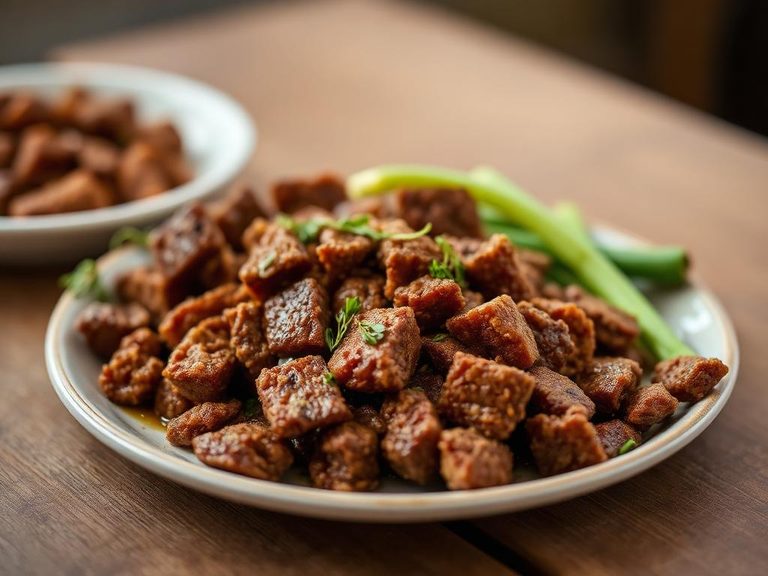
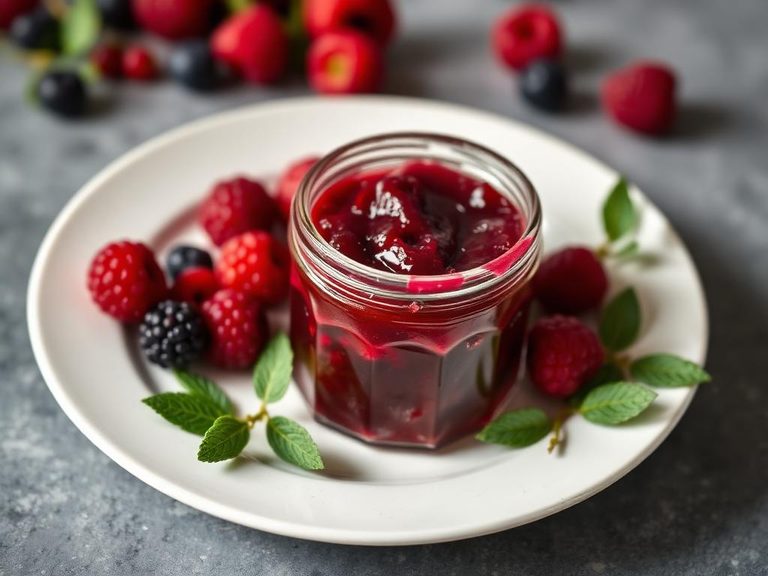
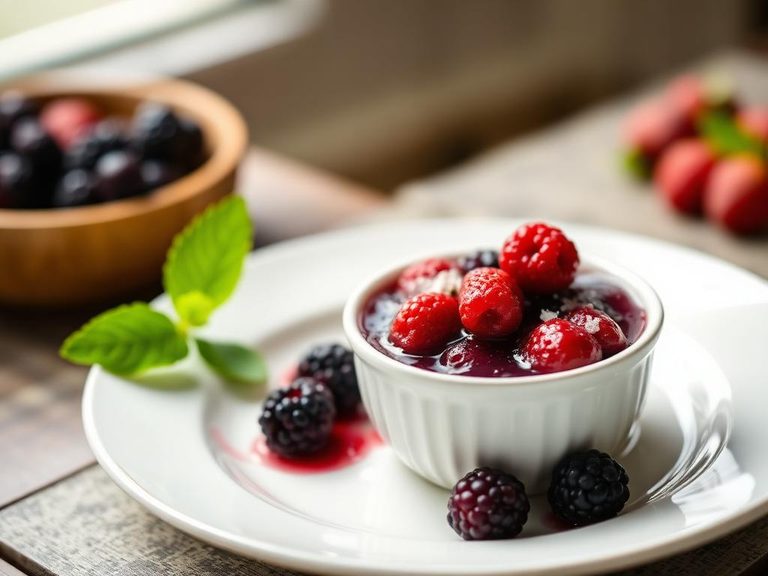
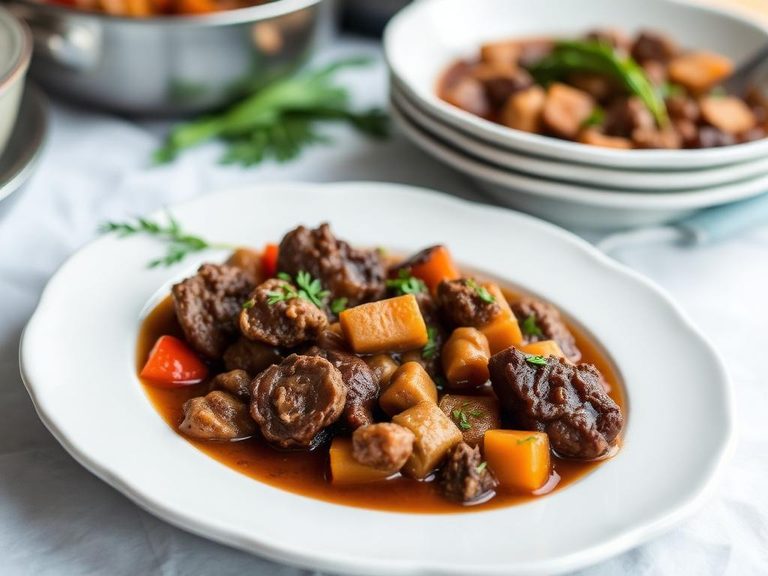
🌍 Where it's eaten
💡 Did you know?
Wild raspberries are an 'aggregate fruit,' meaning each tiny bead on the berry is actually a separate drupelet containing its own seed, all clustered around a central core that detaches when picked, leaving the hollow center characteristic of raspberries.
Full nutrition (USDA data · scales with serving)
| Water | 84.5 g |
| Energy | 62.0 kcal |
| Energy | 261 kj |
| Protein | 1.1 g |
| Total lipid (fat) | 0.28 g |
| Ash | 0.28 g |
| Carbohydrate, by difference | 13.8 g |
| Fiber, total dietary | 7.5 g |
| Total Sugars | 5.5 g |
| Sucrose | 0.07 g |
| Glucose | 2.4 g |
| Fructose | 3.0 g |
| Lactose | 0.00 g |
| Maltose | 0.00 g |
| Galactose | 0.00 g |
| Calcium, Ca | 36.0 mg |
| Iron, Fe | 0.64 mg |
| Magnesium, Mg | 26.0 mg |
| Phosphorus, P | 41.0 mg |
| Potassium, K | 175 mg |
| Sodium, Na | 4.0 mg |
| Zinc, Zn | 0.47 mg |
| Copper, Cu | 0.10 mg |
| Manganese, Mn | 0.37 mg |
| Vitamin C, total ascorbic acid | 26.4 mg |
| Thiamin | 0.02 mg |
| Riboflavin | 0.08 mg |
| Niacin | 1.0 mg |
| Pantothenic acid | 0.30 mg |
| Vitamin B-6 | 0.10 mg |
| Folate, total | 5.0 ug |
| Folate, food | 5.0 ug |
| Choline, total | 9.5 mg |
| Betaine | 0.50 mg |
| Vitamin A, RAE | 2.0 ug |
| Carotene, beta | 13.0 ug |
| Carotene, alpha | 2.0 ug |
| Cryptoxanthin, beta | 31.0 ug |
| Vitamin A, IU | 50.0 iu |
| Lycopene | 0.00 ug |
| Lutein + zeaxanthin | 130 ug |
| Vitamin E (alpha-tocopherol) | 0.57 mg |
| Tocopherol, beta | 0.04 mg |
| Tocopherol, gamma | 2.2 mg |
| Tocopherol, delta | 2.4 mg |
| Tocotrienol, alpha | 0.00 mg |
| Tocotrienol, beta | 0.00 mg |
| Tocotrienol, gamma | 0.00 mg |
| Tocotrienol, delta | 0.00 mg |
| Vitamin K (phylloquinone) | 6.6 ug |
| Vitamin K (Dihydrophylloquinone) | 0.00 ug |
| Vitamin K (Menaquinone-4) | 0.00 ug |
FAQ
How do wild raspberries differ from store-bought ones?
Wild raspberries are typically smaller, more intensely flavored (often tarter), and have a more delicate, crumbly texture. They are also nutritionally denser, particularly in fiber and antioxidants, due to growing in natural, unmanaged conditions.
Can I eat the tiny seeds in wild raspberries?
Yes, the seeds are completely edible and are a major source of the berry's high fiber content. They are generally soft enough to eat without issue, though some people with sensitive digestive systems might prefer to strain them for sauces or jams.
What's the best way to store fresh wild raspberries?
Due to their delicate nature, they should be stored unwashed in a single layer on a paper towel-lined container in the refrigerator and consumed within 1-2 days. For longer storage, they freeze exceptionally well on a baking sheet before transferring to a bag.
Nutrient density (calculated · NRF9.3)
Nutrient Rich Foods index: beneficial nutrients (protein, fiber, vitamins, minerals) minus saturated fat, added sugar & sodium, per 100 kcal.
NRF9.3 index — Fulgoni, Keast & Drewnowski, 2009. Computed from USDA nutrients.
Weight-loss friendliness (composite index)
Energy density 0.62 kcal/g · 7% calories from protein · 7.5 g fiber · 5.5 g sugar per 100 g.
Composite of energy density (Rolls et al., 1999), protein & fiber satiety, minus sugar. A calculated heuristic — ranks satiety-per-calorie, not a clinical measure.
Dietary load (calculated from USDA values)
Potential renal acid load. Positive = acid-forming, negative = alkaline-forming.
Sodium-to-potassium ratio: 0.02 (lower is better — aim for ≤ 1)
Sodium:potassium per WHO potassium guidance. Computed from USDA nutrients.