

Mothbeans, mature seeds, cooked, boiled, without salt
Whole food · Legumes and Legume Products

Photo: Wikipedia
Moth beans, when cooked, transform into small, tender legumes with a mild, earthy flavor and a slightly starchy, soft texture. They are a nutritional powerhouse, offering a substantial 7.81g of protein per 100g for very few calories, making them an excellent low-fat, high-protein staple. Their neutral taste makes them a perfect canvas for absorbing the bold spices of the dishes they're featured in.
Calorie split: 26% protein · 70% carbs · 4% fat
↓ Full nutrition💚 Why it's loved
People love moth beans for their incredible versatility and ability to soak up complex spice blends, becoming the flavorful heart of a dish. They are a beloved, affordable protein source in many cultures, forming the comforting base of everyday meals.
⚠️ Watch-outs & how to enjoy it better
As a legume, they can cause digestive discomfort like bloating in some individuals, especially if not introduced gradually. Their high carbohydrate content means portion control is key for those monitoring blood sugar levels. To counteract this, pair them with non-starchy vegetables and a source of healthy fat (like a drizzle of ghee or oil) to slow digestion and enhance nutrient absorption.
Key benefits
- Excellent source of plant-based protein for muscle maintenance.
- Very low in fat, supporting heart-healthy diets.
- Provides a steady source of complex carbohydrates for energy.
- Rich in minerals like iron and phosphorus.
- Naturally gluten-free and suitable for vegan diets.
🍽️ Popular dishes
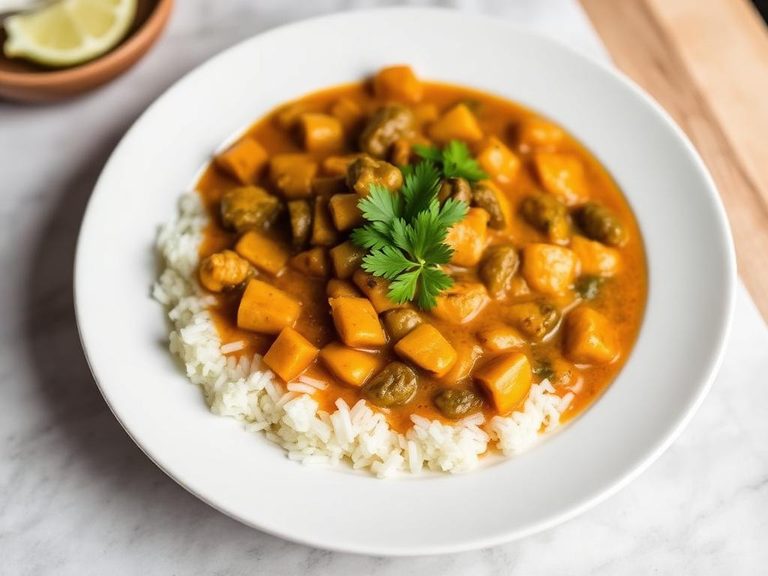
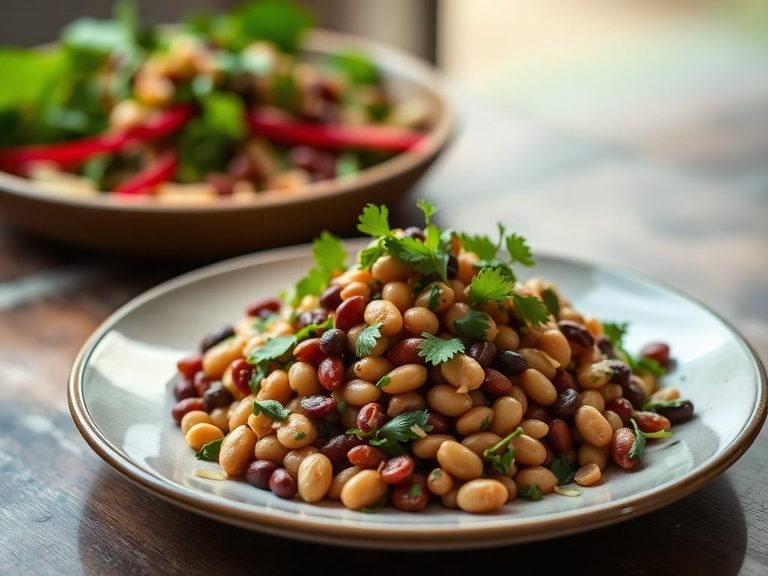
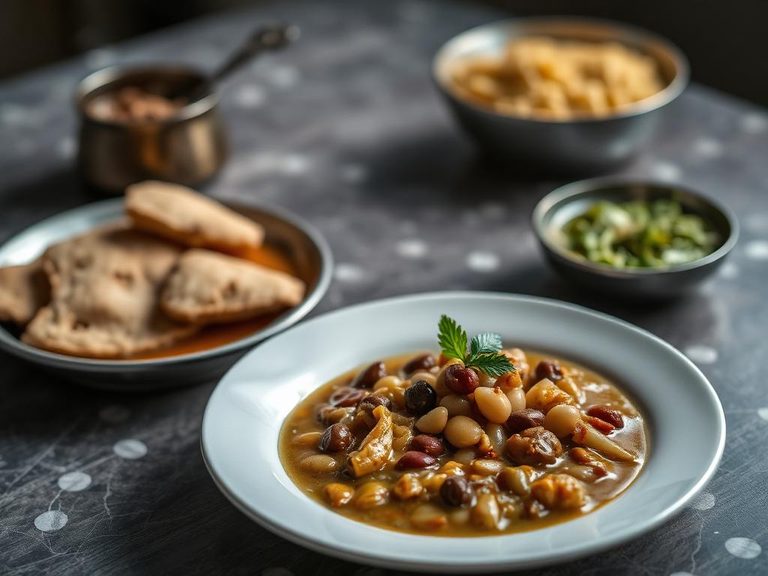
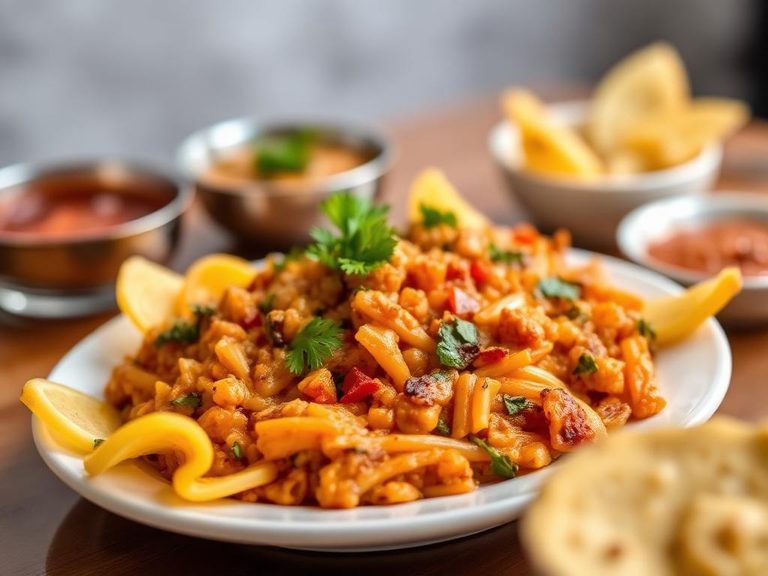
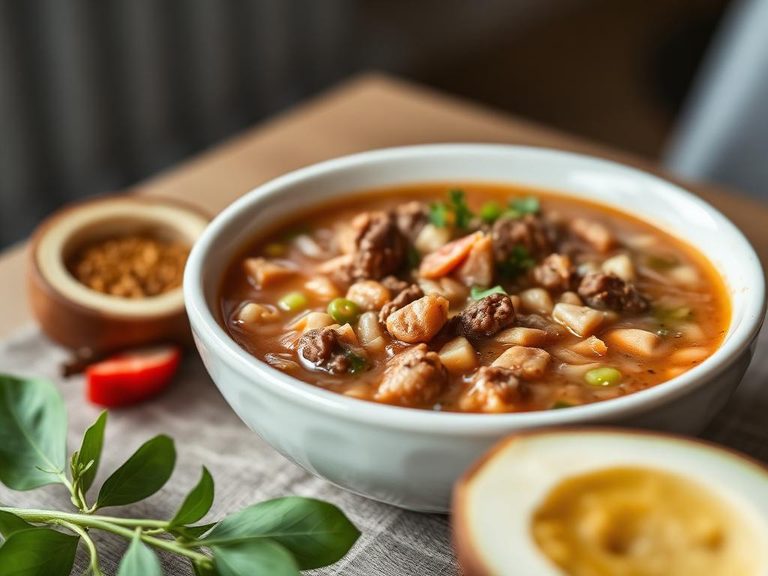
🌍 Where it's eaten
💡 Did you know?
Moth beans are exceptionally drought-resistant, thriving in arid conditions where other crops fail, making them a crucial food security crop in dry regions of India.
Full nutrition (USDA data · scales with serving)
| Water | 69.2 g |
| Energy | 117 kcal |
| Energy | 490 kj |
| Protein | 7.8 g |
| Total lipid (fat) | 0.55 g |
| Ash | 1.4 g |
| Carbohydrate, by difference | 21.0 g |
| Calcium, Ca | 3.0 mg |
| Iron, Fe | 3.1 mg |
| Magnesium, Mg | 104 mg |
| Phosphorus, P | 150 mg |
| Potassium, K | 304 mg |
| Sodium, Na | 10.0 mg |
| Zinc, Zn | 0.59 mg |
| Copper, Cu | 0.16 mg |
| Manganese, Mn | 0.53 mg |
| Selenium, Se | 2.8 ug |
| Vitamin C, total ascorbic acid | 1.0 mg |
| Thiamin | 0.12 mg |
| Riboflavin | 0.02 mg |
| Niacin | 0.67 mg |
| Pantothenic acid | 0.39 mg |
| Vitamin B-6 | 0.09 mg |
| Folate, total | 143 ug |
| Folic acid | 0.00 ug |
| Folate, food | 143 ug |
| Folate, DFE | 143 ug |
| Vitamin B-12 | 0.00 ug |
| Vitamin A, RAE | 1.0 ug |
| Retinol | 0.00 ug |
| Vitamin A, IU | 10.0 iu |
| Vitamin D (D2 + D3), International Units | 0.00 iu |
| Vitamin D (D2 + D3) | 0.00 ug |
Fat & fatty acid profile (per 100g)
| Fatty acids, total saturated | 0.12 g |
| SFA 16:0 | 0.11 g |
| SFA 18:0 | 0.02 g |
| Fatty acids, total monounsaturated | 0.04 g |
| MUFA 18:1 | 0.04 g |
| Fatty acids, total polyunsaturated | 0.26 g |
| PUFA 18:2 | 0.17 g |
| PUFA 18:3 | 0.09 g |
| Fatty acids, total trans | 0.00 g |
| Cholesterol | 0.00 mg |
Amino acid profile (per 100g)
| Tryptophan | 0.05 g |
| Isoleucine | 0.39 g |
| Leucine | 0.53 g |
| Lysine | 0.42 g |
| Methionine | 0.07 g |
| Cystine | 0.04 g |
| Phenylalanine | 0.35 g |
| Valine | 0.25 g |
| Histidine | 0.26 g |
FAQ
What is the difference between moth beans and mung beans?
Moth beans (Vigna aconitifolia) are smaller, browner, and have a more robust, earthy flavor than the larger, green mung beans (Vigna radiata). They are distinct legumes used in different culinary traditions.
Should I sprout moth beans before cooking?
Sprouting is optional but popular. Sprouting increases certain nutrients, reduces cooking time, and can make the beans easier to digest. For curries, they are often used both sprouted and un-sprouted.
How do I cook dried moth beans?
Rinse and soak them in water for 6-8 hours or overnight. Drain, then boil in fresh water until tender (about 20-30 minutes). They can then be added to curries, salads, or soups.
Nutrient density (calculated · NRF9.3)
Nutrient Rich Foods index: beneficial nutrients (protein, fiber, vitamins, minerals) minus saturated fat, added sugar & sodium, per 100 kcal.
NRF9.3 index — Fulgoni, Keast & Drewnowski, 2009. Computed from USDA nutrients.
Weight-loss friendliness (composite index)
Energy density 1.17 kcal/g · 27% calories from protein · 0.0 g fiber · 0.0 g sugar per 100 g.
Composite of energy density (Rolls et al., 1999), protein & fiber satiety, minus sugar. A calculated heuristic — ranks satiety-per-calorie, not a clinical measure.
Dietary load (calculated from USDA values)
Potential renal acid load. Positive = acid-forming, negative = alkaline-forming.
Sodium-to-potassium ratio: 0.03 (lower is better — aim for ≤ 1)
Sodium:potassium per WHO potassium guidance. Computed from USDA nutrients.